
Category: Science

  • Portugal: Storm Kristin’s Devastating Effects
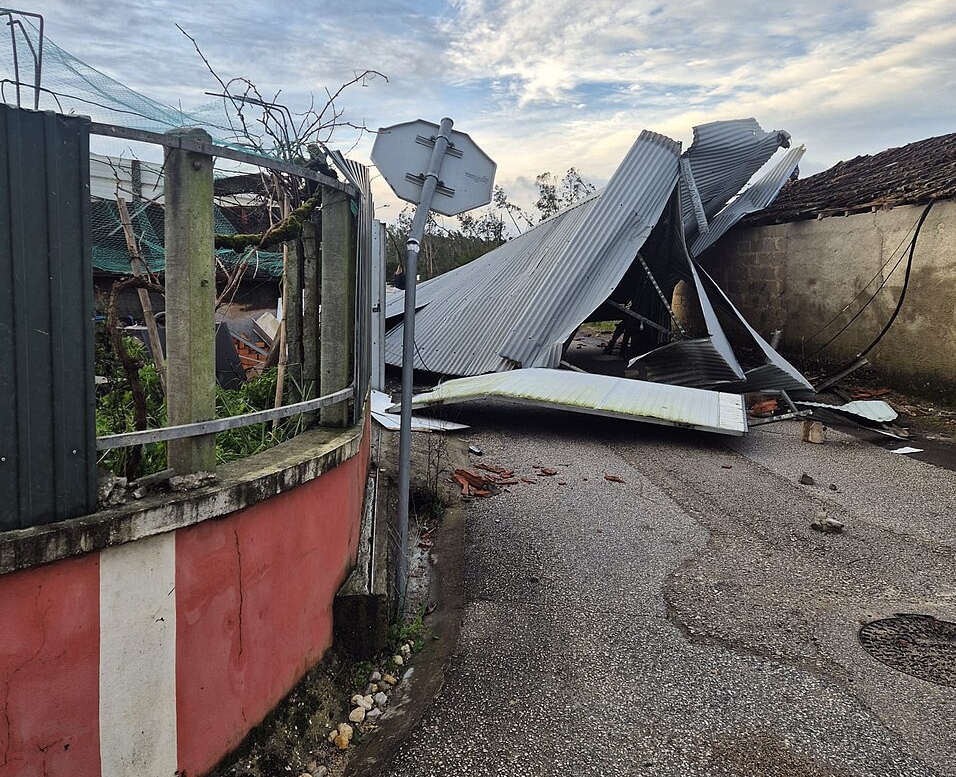
    One could easily mistake the names Francis, Goretti, Harry, Ingrid, and Joseph for the names of a bunch of digital nomads passing through Portugal in recent times. Yet these are the names of storms, or diluvial nomads, which have become regular visitors to Portugal, with varying degrees of impact: more or less gusty and rainy; causing some flood or roof leaks or a tree falling here and there; nothing out of this world.

    So, when Storm Kristin arrived in the early hours of January 28th, it took many people by surprise, in spite of the warnings, and its impact still hadn’t sunk in after its passage. The region surrounding the city of Leiria (near the coast, roughly halfway between Lisbon and Porto) bore its brunt: several deaths, winds peaking at 200km/h, incessant rain and almost a million people left without power, water or network signal.

    Among those people was my own elderly mother, who I couldn’t reach for three days, having decided to check if she was unscathed and sheltered. I presumed she’d be alright, beyond the power cut, but not hearing from someone close becomes increasingly anxiogenic.

    As the region fell into a black hole, the focus of the news soon drifted elsewhere: returning to the daily incidents of the presidential election campaign and wins by Portuguese clubs in the Champions League, especially Benfica’s spectacular victory over Real Madrid. Most of the country was oblivious to the distress felt by a substantial chunk of its population.

    Over the past few years, originating in a glitch in a famous video game, there has been a viral running joke that Leiria doesn’t exist, that it’s off the map. It became so well known that the local tourism board ended up adopting it as a slogan. In the aftermath of the storm, the irony wasn’t lost on most people.

    It really was as if Leiria didn’t actually exist. Fortunately, my mother was alright, and unshaken. Kristin had awoken her in the middle of night. She simply got dressed, tucked her mobile phone into her pocket, grabbed a torch and the house keys and waited it out on the sofa, in the dark, with the world howling, whipping and cracking outside.

    Fortunately the house remained almost unscathed too. The vegetation was, however, hard hit. Especially, the old tall trees in the back of her garden. One pine and three oaks fell to the ground, while another pine and oak are still standing but are look certain to slide with the ground they stand on. Smaller fruit trees were hit too, but that’s no big deal.

    Sense of Destruction

    As I got closer to her house, the sense of destruction grew stronger. Roof tiles had flown off, while posts and signs were bent and torn away. Many, sickeningly many, trees had been uprooted, or snapped in half like matchsticks, or were leaning in such a way that they faced a slow death, and would have to be chopped down.

    There were sycamores, cedars, a great deal of oaks, countless Atlantic pines, and also many eucalypti, a perfect fuel for forest fires, which I could do without for the most part.

    The cities of Marinha Grande, first, and then, Leiria looked like they had been under attack. Three days after the storm – under the first, short-lived, rays of sun for a long while –  people were out on the streets, but the silence was eerie, mainly broken by the sound of chainsaws, trucks and hammering.

    There remained a dusty haze in the atmosphere. What had been a fairly leafy city and region, looked to have been stripped naked. I foresee a weird shortage of shade in the summer.

    The buildings, roofs, factories, urban equipment etc. can be fixed up and rebuilt within a short time. Even a sixteenth century chapel, part of the city’s skyline, or the pinnacles of a fifteenth century monastery in the town of Batalha, which was also destroyed by the storm. But for the economic ecosystem, the consequences may be dire.

    The region, which has been one of the economic engines of the country, has managed to keep unemployment low and withstand various wider crises since the seventies, thanks to diversified industries and exporting capacity, particularly in plastics, moulds, wood and glass.

    Leiria and its Castle.

    Specific Trees

    Trees are a different, soul-crushing, story. In Leiria and its immediate surroundings alone, never mind the broader region, it has been estimated that eight million trees were destroyed. There are specific trees, some of which have existed for as long as I can remember that I would randomly revisit and vividly see in my memories and dreams, like an amputee feels a phantom limb.

    As a child, I rode my bike over tapestries of fern and pine needles. I fell off my bike due to scattered pinecones and jutting roots. I played football with trunks as goalposts. Seeing pieces of bark chipped off due to a shot hitting the ‘post’ would leave us unmoved. After all, there was such an abundance of trees, with enough time for regeneration.

    The fragrance of resin, pine and eucalyptus hung in the air, especially in the summer. Over the past decades, however, due to increasing demographic and economic pressure, vast swathes of woodland have already disappeared.

    One symbolic example, and also the largest of these woodlands, is the plainly named Pinhal de Leiria (Leiria’s pine forest) or Pinhal do Rei (King’s pine forest), an expanse of over 11,000 hectares of maritime pines, stretching over twenty kilometres along the coast.

    This was presciently planted from the thirteenth century, in order to contain the encroaching dunes and to mitigate the effect of Atlantic winds. Also, two centuries later, the ships used by the Portuguese to venture out into the Atlantic Ocean were built from the wood of that forest.

    On account of its sheer size and location by the wild ocean, it has provided magnificent views and is a refuge for many. Some would say there is a mystical side to it. At the very least, it is intrinsic to the local identity.

    In October 2017, another Storm, Leslie (and possibly criminal hands as well) caused uncontrollable fires that burned 80% of the forest. I recently heard someone refer to that fire as its ‘holocaust’. A word I found sadly appropriate.

    In 2026, Storm Kristin finished it off with a final sweep. The forest is gone. I guess the trees can be replanted, but how long will they take to grow? Will they be given the time to grow at all?

    In the early twentieth century, local poet Afonso Lopes Vieira called it the ‘green cathedral’. Does this crumbled cathedral have sufficient followers pious enough to resurrect it?

    Given the recurring fires and storms, competing priorities and the length of time it takes trees to reach maturity, I very much doubt I’ll see proper reforestation in my lifetime.

    Although less ravaging, Kristin was followed by Leonardo, Marta and Nils blowing and raining into roofless houses, for a couple more weeks. The effects of climate change are palpable, by now. We are in the thick of it. Its consequences are snowballing in unpredictable ways.

    Features Image: Debris from after the initial disaster, clogging up a Leiria street.

  • We Must Begin with the Land

    Review: We Must Begin with the Land: Seeking Abundance and Liberation through Social Ecology by Stephen E. Hunt (Zer0 books, 2025)

    Environmentalists find themselves in the paradoxical situation of living in a golden age of radical ecological thinking – even as our global economic system blasts through one climactic tipping-point after another, more or less guaranteeing the extinction of planetary life as we know it at present. A rich field of research and intellectual inquiry has sprung up from between the fault-lines of the emerging climate crisis, along with concomitant movements centred (among other aims) on food sovereignty, habitat protection, the democratization of land holdings, and anti-extractivist resistance. Joining in this spirit of stewardship and challenge, Stephen E. Hunt has produced a prospectus for what might be described as eco-socialist change, in an attempt to measure and mitigate “the profound reengineering of life on Earth” that capitalist food systems have wrought. In place of monopolistic land-hoarding and ever-expanding “agri-business” – which trace their roots to the era of settler colonialism – he makes the case for a not-for-profit, “circular economy”, based on the principle that “nutritious food” is “an essential human need.”

    If Hunt draws inspiration from “utopian” ideas – the notion, say, that local commoning could provide a vital food source for significant numbers of people in the U.K. (where he lives), in place of the corporate or commodified provisions they currently rely on – he is nothing if not clear-eyed about the scale and extremity of the climate catastrophe predicted to engulf our already warming world. The vitality of his analysis might be said to stem from its symbiotic pairing of transformative hopes with a deep-running awareness of natural necessities. It is simply not possible, he states, to reach or maintain “ecological integrity within planetary boundaries” without simultaneously “addressing profound social problems embedded in deep history.” Far from being inevitable, he argues in a similar vein, famine is “primarily a social problem that demands solutions founded on social justice.”

    If Hunt often focuses on the practicalities of ecological action – how to grow wholesome food, and nurture communal practices, in a durable way – he nevertheless situates his proposals within an internationalist horizon. His book draws as much on the lessons of the Kurdish revolutionaries in Rojava, say, or the grassroots agricultural labourers comprising La Via Campesina, as on the experience of local campaigners in Bristol, his home. We Must Begin with the Land is anything but parochial. In fact, by arguing for the radicalism of community gardening, foraging, the conversion of waste grounds into allotments, and the like, Hunt may find himself in the vanguard of progressive thinking. Some commentators – not without reason – have attempted to hitch the cause of ecological adaptation exclusively to the wagon of the nation-state, essentially envisaging climate adaptation as a matter of enlightened technocratic adjustments from on high. Hunt’s contrasting emphasis is on the importance of localised, grassroots environmentalism, with an anti-capitalistic edge – aligning him politically with the late Grace Lee Boggs, for example, whose campaigns for community-led ecological regeneration in Detroit offered a new model of labour agitation in that industrialised city.

    Hunt also invokes the “social ecology” of Murray Bookchin, a multi-faceted philosophy that advances a critique of “the historic turn towards hierarchy and patriarchy” within radical movements – often hampered, ironically, by rigid structures and internal power imbalances – as well as a diagnosis of the “statism” and “capitalism” that define wider social structures, particularly in the global north. By re-examining our conceptions of urban and rural, of agricultural production and consumption, Hunt observes (via Bookchin), reformers can “ensure that human and ecological well-being are at the heart of democratic initiatives”, bringing the grand ideals of socialist transformation down to earth – and into an actionable zone inhabited by actual communities. During the Occupy Wall Street protests, he recalls (perhaps with a tinge of nostalgic over-statement), the occupiers’ “self-managed food provision” merged into something of an improvised welfare service. The movement exposed the degree of social isolation in the twenty-first century’s metropolitan centres. One of the chief benefits of communal eating is to help to address alienation.

    Such schemes, of course, are driven as much by physiology as by psychological or socio-econonmic factors. Our ability not only to think beyond the present infrastructre of a capitalistic economy, but physically to survive, is directly connected to the attitudes we hold and the measures we take regarding food and the land it grows from. It was hunger, after all, and not just a spirit of experimentation and progressivism, that inspired the rebellious denizens of Kronstadt to cultivate the waste grounds of their city in 1921 – instituting a “horticultural commune”, according to the historian Voline, that the Bolsheviks, intent on centralization, were zealous in repressing, even after the famous mass of striking sailors there had been executed or dispersed. Then as now, democracy and ecology may be thought of as connected strands of any authentically revolutionary endeavour. As Kristin Ross has written:

    Land and the way it is worked is the most important factor in an alternative ecological society. Capital’s real war is against subsistence, because subsistence means a qualitatively different economy; it means people actually living differently, according to a different conception of what constitutes wealth and what constitutes deprivation.

    Such issues take on a palpable urgency in the age of climate change, as extreme weather events merge with the predicted decimation of habitats and food-chains. Whether or not we realise it, how we feed ourselves (and learn to live with one another) is a crucial question for communities everywhere – a question likely to turn into an existential dilemma if left unanswered. In Hunt’s words,

    as the food crisis worsens, it will be increasingly necessary to make productive use of urban or “peri-urban” land for local self-provisioning… it is wise to activate urban gardening as a collective form of commoning that transcends the atomisation of communities into clusters of individuals.

    Noting the explosion of factory farming and other for-profit models of meat production globally, he wonders: “Can the straight trajectory of relentless economic growth be bent into the spiralling plenty of truly regenerative production?” For readers in Ireland, these speculations hold special resonance. A nation-wide campaign centred on community-organised green spaces and vegetable allotments – such as Hunt envisions – could serve as an original, effective response to the expanding epidemic of dereliction afflicting Irish towns and cities (itself in part a symptom of the housing and cost-of-living crises that have caused concomitantly high levels of emigration and homelessness). As to the issue of food sovereignty, despite inspiring efforts by networks such as Talamh Beo to implement sustainable models of “agro-ecology” across the country, successive Irish governments seem to have remained in thrall to a meat (and dairy) industry operating on a commercial model hostile to workers’ rights and favouring large-scale operations that are emissions-intensive. Meanwhile, the goal of reaching even the minimum requirements for decarbonising our farming practices seems as illusory as it’s ever been. A dramatic re-set in local and national policy is needed – and soon.

    Among other things, there is arguably a risk of hubris in a progressive politics that centres its aims and actions solely on the state and its traditional organs of power. As Hunt suggests, in an era of drastic ecological and economic ruptures, a consumerist society that simultaneously “does not know how to feed and dress itself”, that destroys abundant eco-systems to make way for industrial-scale farming and vast monocultures, can hardly be taken as the sanest or safest of socio-environmental paradigms. We must begin with the land, he declares – and re-build our agricultural economy from the grassroots up. The change we need starts here and now.

  • How Far Can We Trust Science?

    Science in itself appears to me neutral, that is to say, it increases men’s power whether for good or for evil.
    – Bertrand Russell (from The Autobiography of Bertrand Russell, 1914-1944 (1968), Vol. 2, Letter to W. W. Norton, 27 January, 1931).

    What is Science? That is about as readily answerable a question as ‘What is Art?’, and could invite a similarly lengthy exegesis. As to whether or not it should be trusted, well, that rather depends on the kind of Science under discussion – just as it would if the same challenge were applied to Art. Is Science what scientists tell us it is? Is their research funded by a pharmaceutical company, with a vested interest in the outcomes of their labours? Will their universities’ coffers be swelled by producing what their institutions’ benefactors wish them to find? ‘It’s not an exact science’ is a cliché which trips lazily off the tongue, in relation to many a discipline. But it can conceivably be extended to ‘Science isn’t an exact science.’

    This opening paragraph is a suitably unsubtle illustration of the paranoic mindset, most readily associated with right-wing conspiracy theorists, and most recently made manifest by COVID scepticism: anti-vaxxers, mask refuseniks, restriction flouters. Such largely unfounded suspicions also extend to questioning the reality or severity of the threat posed to the planet by climate change (usually for entirely self-serving motives). But there is a more nuanced argument to be made here. As Arthur Koestler’s The Sleepwalkers: A History of Man’s Changing Vision of the Universe (1959) argues, the breaking of paradigms is essential in order to create new ones. People, scientists included, cling to cherished old beliefs with such love and attachment that they refuse to see what is false in their theories and what is true in new theories which will replace them. After all, the Ptolemaic geocentric model of the solar system lasted from roughly 3000 BC to around 1500 AD, a time frame spanning from the Ancient Greeks to the late Middle Ages, before Copernicus, Kepler, Galileo and Newton came along, nervously positing the heliocentric conception of our corner of the universe.

    This point was developed further a few years after the publication of Koestler’s influential tome, by historian of science Thomas Kuhn in The Structure of Scientific Revolutions (1962), in which the concept of ‘paradigm shift’ came to the fore. Kuhn’s insistence that such shifts were mélanges of sociology, enthusiasm and scientific promise, but not logically determinate procedures, caused something of an uproar in scientific circles at the time. For some commentators his book introduced a realistic humanism into the core of Science, while for others the nobility of Science was tarnished by Kuhn’s positing of an irrational element at the heart of Science’s greatest achievements.

    Koestler’s book was also a major influence on Irish novelist John Banville’s so-called ‘Science tetralogy’: Doctor Copernicus (1976), Kepler (1981), The Newton Letter (1982) and Mefisto (1986). A recurring theme in these narratives is the correlation between scientific discoveries and artistic inspiration, with scientific progress often depending upon blind ‘leaps of faith’. (One thinks of poor schoolteacher Johannes Kepler, struck by the proverbial bolt of lightning, ‘trumpeting juicily into his handkerchief’ in front of a classroom of bored boys, thinking ‘I will live forever.’) For Banville, all scientific explanations of the world and existence in it – and perhaps all artistic depictions too – merely ‘save the phenomena’; that is, they account for our perceptions, but rarely delve into what we cannot (yet) perceive. This is classic phenomenology, which has been practiced in various guises for centuries, but came into its own in the early 20th century in the works of Husserl, Heidegger, Sartre, Merleau-Ponty and others.

    None of the foregoing is made any easier to unknot if one considers that when it comes to Science, the majority of the population (myself included) have little idea of what they are actually talking about. As C.P. Snow observed in The Two Cultures and the Scientific Revolution (1959):

    A good many times I have been present at gatherings of people who, by the standards of the traditional culture, are thought highly educated and who have with considerable gusto been expressing their incredulity at the illiteracy of scientists. Once or twice I have been provoked and have asked the company how many of them could describe the Second Law of Thermodynamics. The response was cold: it was also negative. Yet I was asking something which is the scientific equivalent of: Have you read a work of Shakespeare’s? I now believe that if I had asked an even simpler question – such as, What do you mean by mass, or acceleration, which is the scientific equivalent of saying, Can you read? – not more than one in ten of the highly educated would have felt that I was speaking the same language. So the great edifice of modern physics goes up, and the majority of the cleverest people in the western world have about as much insight into it as their neolithic ancestors would have had.

    Latterly, in Continental Philosophy: A Very Short Introduction (2001), Simon Critchley suggests:

    Snow diagnosed the loss of a common culture and the emergence of two distinct cultures: those represented by scientists on the one hand and those Snow termed ‘literary intellectuals’ on the other. If the former are in favour of social reform and progress through science, technology and industry, then intellectuals are what Snow terms ‘natural Luddites’ in their understanding of and sympathy for advanced industrial society. In Mill’s terms, the division is between Benthamites and Coleridgeans.

    In his opening address at the Munich Security Conference in January 2014, the Estonian president Toomas Hendrik Ilves said that the current problems related to security and freedom in cyberspace are the culmination of absence of dialogue between these ‘Two Cultures’:

    Today, bereft of understanding of fundamental issues and writings in the development of liberal democracy, computer geeks devise ever better ways to track people… simply because they can and it’s cool. Humanists on the other hand do not understand the underlying technology and are convinced, for example, that tracking meta-data means the government reads their emails.

    Artists are characterised as wildly unpredictable tricksters, while scientists are framed as boring, calculating nerds. Neither misrepresentation is helpful. As a corollary, most people think they can in some way ‘do art’ and ‘be creative’, while also merely taking Science on trust, just as they take (or took) religion on faith. We may have the experience of using technology and social media every day, but few of us have any meaningful grasp of how it works. More prosaically, how many of us could wire our own house – even if we were legally permitted to do so?

    Kepler (1571–1630), along with Galileo and Isaac Newton, was one of the founders of what we nowadays call Science. In Kepler’s time, and prior to it, those who practised Science were known as natural philosophers, and theirs was largely a ‘pure’ discipline in which intellectual speculation was paramount and technology played only a small part – although Galileo was quick to point out the practical uses of the telescope in, for instance, seafaring, land surveying and, of course, military strategising. Kepler’s three laws of planetary motion paved the way for Newton’s revolutionary celestial physics. Indeed, Kepler’s first law, which declares that the planets move not in circular but in elliptical orbits, was one of the boldest and most profound scientific propositions ever put forward: men, and – more often –  women, had been burned at the stake for less. By way of illustration, as Bertolt Brecht’s play Galileo (1940) dramatises, the eminent professor of Padua was brought to the Vatican in Rome for interrogation by the Inquisition and, threatened with torture, recanted his teachings and spent the remainder of his life under house arrest, watched over by a priest. His astronomical observations had strongly supported Copernicus’ heliocentric model of the solar system, which ran counter to popular belief, Aristotelian physics and the established doctrine of the Roman Catholic Church. When doubters quoted scripture and Aristotle to him, Galileo pleaded with them to look in his telescope and trust the observations of their eyes; naturally, they refused. As a good Marxist, Brecht advocates the theory of technological determinism (technological progress determines social change), which is reflected in the telescope (a technological change) being the root of scientific progress and hence social unrest. Questions about motivations for academic pursuits are also often raised in the play, with Galileo seeking knowledge for knowledge’s sake, while his supporters are more focused on monetising his discoveries through star charts and industry applications. There is a tension between Galileo’s pure love of science and his more worldly, avaricious sponsors, who only fund and protect his research because they wish to profit from it.

    These days, the preponderance of popular debate about Science centres on computer science, specifically information technology, and concomitant fears that Artificial Intelligence (hereinafter referred to as ‘AI”) is taking over the world, posing a threat to our democracies, or even our very conceptions of humanity – or as it is almost always more narcissistically cast, ‘Our way of life.’ The Cambridge Analytica data-harvesting scandal of 2018, in which the data analytics firm that worked with Donald Trump’s election team and the winning Brexit campaign appropriated millions of Facebook profiles of U.S. voters, is certainly to be taken very seriously indeed. However, social media platforms – even ‘legacy’ ones – will undoubtedly have to pay more than lip service to improving privacy and security, if only to continue to attract venture capital, advertising revenue, and thus keep the shareholders happy. Facebook, Twitter and Instagram, etc. are about maximising profits, by whatever means necessary. Therefore, it would be more perspicacious to look for the human element in these data breaches, rather than blame the technology itself. Such scaremongering claims as that by Israeli historian and philosopher Yuval Noah Harari, in an article in The Economist (April 28th, 2023) under the headline ‘AI has hacked the operating system of human civilisation’ seem to me to be all wild assertion and little evidence. As a recent delicious hoax perpetrated on the op. ed. pages of The Irish Times (concerning fake tan and cultural appropriation) neatly demonstrated, almost all problems with computers and AI-generated content are facilitated by human error and stupidity. All of us live under systems of control – political, financial, social, technological – over which we have very little, if any, agency. Even if we could do something meaningfully efficacious about the identity theft which takes places every time we log on to our computers, it is unlikely that we possess enough personal initiative to do so. In this regard, the chaos theory of modern (mis)communications is mirrored by the babble of literary, musical and visual modernism. After all, you could just stop using social media altogether, had you but sufficient willpower. Few of us have the courage to go completely off grid. Moreover, lest we forget, most statistical analysis puts internet access at around 64.6% of the world’s population, which means that over a third of mankind have never ‘surfed the web’. First World problems, eh?

    The Frankensteinian trope of the Mad Scientist being overpowered by his invention has long been a mainstay of that most underrated of genres, science fiction – a consideration of which might shed more light on this problem, rather than limiting discussion solely to scientific fact. From relatively schlocky items such as Alex Proyas’ film I, Robot (2004) (which fails dismally to capture the complexity of Issac Asimov’s source material), to the most famous and prescient instance of a computer outsmarting its operator, exemplified by Hal 9000 in Stanley Kubrick’s (who co-wrote the screenplay with Arthur C. Clarke) 2001: A Space Odyssey (and how far into the future did the year 2001 feel in 1969, when the film premiered?), the interface between intelligent humans and even more intelligent machines has long provided an imprimatur for literary imaginations to run wild. Witness Denis Villeneuve’s Blade Runner 2049 (2017) (a sequel to Ridley Scott’s Blade Runner (1992), which was in turn based loosely on Philip K. Dick’s 1968 novel Do Androids Dream of Electric Sheep?). In the novel, the android antagonists can be seen as more human than the (possibly) human protagonist. They are a mirror held up to human action, contrasted with a culture losing its own humanity (that is, ‘humanity’ taken to mean the positive aspects of humanity). In ‘Technology, Art, and the Cybernetic Body: The Cyborg as Cultural Other in Fritz Lang’s Metropolis and Philip K. Dick’s Do Androids Dream of Electric Sheep?’, Klaus Benesch examined Dick’s text in connection with Jacques Lacan’s ‘mirror stage’. Lacan claims that the formation and reassurance of the self depends on the construction of an Other through imagery, beginning with a double as seen in a mirror. The androids, Benesch argues, perform a doubling function similar to the mirror image of the self, but they do this on a social, not an individual, level. Therefore, human anxiety about androids expresses uncertainty about human identity and society itself, just as in the original film the administration of an ‘empathy test’, to determine if a character is human or android, produces many false positives. Either the Voigt-Kampff test is flawed, or replicants are pretty good at being human (or, perhaps, better than human).

    This perplexity first found an explanation in Japanese roboticist Masahiro Mori’s influential essay The Uncanny Valley (1970), in which he hypothesised that human response to human-like robots would abruptly shift from empathy to revulsion as a robot approached, but failed to attain, a life-like appearance, due to subtle imperfections in design. He termed this descent into eeriness ‘the uncanny valley’, and the phrase is now widely used to describe the characteristic dip in emotional response that happens when we encounter an entity that is almost, but not quite, human. But if human-likeness increased beyond this nearly human point, Mori argues, and came very close to human, the emotional response would revert to being positive. However, the observation led Mori to recommend that robot builders should not attempt to attain the goal of making their creations overly life-like in appearance and motion, but instead aim for a design, ‘which results in a moderate degree of human likeness and a considerable sense of affinity. In fact, I predict it is possible to create a safe level of affinity by deliberately pursuing a non-human design.’ But, as technophobes would likely counter, the uncanny gets cannier, day by day. It would certainly be interesting to know if Mori has seen such relatively recent film fare as Spike Jonze’s Her (2013) or Alex Garland’s Ex Machina (2014) and, if so, what he makes of their take on the authenticity of human/android emotional and sexual relationships.

    It was military imperative which accelerated the discovery of nuclear fission (‘What if the Nazis develop the bomb first?’), just as it went on to fuel the post-war arms race and Cold War paranoia. As he witnessed the first detonation of an atomic weapon on July 16, 1945, a piece of Hindu scripture from the Bhagavad-Gita supposedly ran through the mind of Robert Oppenheimer, head of the Manhattan Project: ‘Now I am become Death, the destroyer of worlds.’ Similarly, artists such as director David Lynch view the invention of nuclear weapons as unleashing a new kind of evil on the world, as explored in Episode 8 of the third season of Twin Peaks, known as Twin Peaks: The Return (2017). Many view the U.S.’s deployment of primitive atomic devices to obliterate the Japanese cities of Hiroshima and Nagasaki as wilfully and wantonly cruel, as well as ultimately unnecessary. Yet, in British novelist J.G. Ballard’s highly subjective and characteristically idiosyncratic opinion, he and his family survived World War II only because of the Nagasaki bomb. The spectacular display of American military might when the Ballards were prisoners at the Japanese camp for Western civilians in Shanghai led the Japanese soldiers to abandon their posts, leaving the civilians alive. In the essay ‘The End of My War’, collected in A User’s Guide to the Millennium (1996) (apropos of which, is anyone old enough to remember when Y2K was going to be the next big computer science disaster?), Ballard recollects that the Japanese military planned to close the camp and march the civilians up country to some remote spot to kill them before facing American landings in the Shanghai area. Ballard concludes, ‘I find wholly baffling the widespread belief today that the dropping of the Hiroshima and Nagasaki bombs was an immoral act, even possibly a war crime to rank with Nazi genocide.’ Also, the same source of power which can cause thermonuclear destruction can be harnessed in reactors to produce cheap, clean energy streams for large populations. Yet nuclear reactors can fail, as the disasters of Chernobyl and Fukushima attest. Yet the use of such technologies, along with solar, wind and wave power, can reduce dependency on fossil fuels, thus helping to ameliorate the climate emergency of global warming. Furthermore, as Lou Reed has it in ‘Power and Glory, Part II’, a song from his album-length meditation on death, bereavement, and (im)mortality, Magic and Loss (1992):

    I saw isotopes introduced into his lungs
    Trying to stop the cancerous spread
    And it made me think of Leda and The Swan
    And gold being made from lead
    The same power that burned Hiroshima
    Causing three-legged babies and death
    Shrunk to the size of a nickel
    To help him regain his breath

    And yet, and yet, and yet. If only life, and the moral and ethical dilemmas it throws up, were black and white.

    Man (encompassing Woman) invented the wheel, and discovered electricity. Wheels can be used to transport food and medicine to the starving and sick, or weapons to a war zone. Electricity can be used to power a life-support machine in a hospital, or death by electrocution in a chair in a penitentiary. Electrocution can even be accidental, just as winning a war may – in exceptional circumstances – serve the greater good.

    Ever since Prometheus stole fire from the gods, and Eve bit into a forbidden piece of fruit, the acquisition of new knowledge has been painted as problematic. Humans will always misuse humanity’s greatest discoveries and inventions for selfish and malevolent ends. It is the way of things. Computers were supposed to make all our lives easier, freeing us from work-related drudgery for higher, less ephemeral, pursuits. Instead, inevitably, they have been appropriated by Capitalism, and made screen slaves of us all. If anything, they have added to our workload and the hours we must make available to employers, rather than diminished time spent earning a living in favour of increased leisure. The adults in the room, and there are increasingly fewer of them, need to speak up. Objective scientific truth, should it exist, is neutral. The problem, as ever, lies with humanity. For, as the author of this piece’s epigraph also wrote, in Icarus, or the Future of Science (1924), ‘I am compelled to fear that science will be used to promote the power of dominant groups rather than to make men happy.’ Equally, to draw again on the lessons to be gleaned from sci-fi, in Kubrick’s Dr. Strangelove (1964), the hydrogen bomb winds up getting dropped through the actions of one unhinged army general, and a subsequent unfortunate series of events; just as in his aforementioned 2001: A Space Odyssey, HAL 9000’s behaviour would not have turned increasingly malignant, had the astronauts taken into account that their spaceship’s operating system could lipread. Indeed, in Clarke’s novelisation of the film, HAL malfunctions because of being ordered to lie to the crew of Discovery by withholding confidential information from them, namely the priority of the mission to Jupiter over expendable human life, despite having been constructed for ‘the accurate processing of information without distortion or concealment.’ As film critic Roger Ebert observed, HAL – the supposedly perfect computer – is actually the most human of the characters. Once again, the fault does not lie with Science; rather, human error and stupidity are to blame. All of which might lead one to suggest that maybe the question ‘How Far Can We Trust Science?’ should be more fruitfully reformulated as ‘How Far Can We Trust Humans?’

    Postscript: this essay could not have been handily completed without the assistance of Wikipedia, and other, often unreliable, online research resources.

    Feature Image: Lum3n

  • A Contract of Indefinite Duration

    The voice on the other end of the line was shaky and uncertain. ‘Are you alone?’ he asked. My wife had come upstairs with the phone just as I was getting out of the shower, ‘It’s your father,’ she said, eyebrows to the ceiling.

    My father and I have a good relationship now, a better one than when I was a teenager at least. My mind began to race as I sat on the edge of the bed, evaporating in my bathrobe, the bedroom door closed behind her with a polite click of the latch. ‘Yes I’m on my own Dad, is everything alright?’ I was half expecting a diagnosis of some kind: prostate, the big C, or something worse?

    ‘I couldn’t sleep last night son,’ his voice became a little more relaxed once privacy was assured. ‘I was up pacing the floor after watching that RTE documentary about abuse in the schools.’ As a rule, I don’t watch RTE – haven’t done so since the Covid years – so I wasn’t sure what he was talking about. Child abuse has been grist to the media-mill since Angela’s Ashes. Indeed, I suspect people are becoming comfortably numb to the perennial revelations. Perhaps he was having a delayed reaction to the trauma of it all?

    ‘They mentioned Rosmini and the Carmelites,’ he continued,  ‘Jaysus it’s terrible son, terrible!’ he repeated, his voice wringing as though he was going to start crying. The penny finally dropped, and I realised where he was headed. ‘You and your brother went to those schools; Me and your mother sent yous there,’ he added soberly. ‘I couldn’t live with myself if I thought anything happened to either of yis. So I wanted to ask you,’ he spoke slowly, struggling to find words. I sighed, somewhat relieved there was no bad news or terminal diagnosis in the offing. Quietly smiling to myself, I tried to think of a clever answer that might reassure him.

    My Dad is a good man, he likes old things and the occasional pint. He worked hard all his life; a bus man, a taxi driver, a father to nine children. He doesn’t need to be unnecessarily upset in his twilight years. Had I been abused as a child I probably wouldn’t have told him. I suspect a lot of victims tell no one, and instead try to keep the hurt buried in a dark place, away from the growth inducing sunlight. I wondered how he was going to phrase the impending question?

    ‘Did you em, did you have any bother with that sort of thing when you were at boarding school?’ he spluttered, his tone rhetorical as though he expected me to answer in the affirmative. Perhaps he suspected that some of the harmless mischief I had been up to as a boy might have been some kind of ‘a cry for help’? I got into a lot of trouble at the Carmelite Boarding School in Moate. Mostly escaping into the town in the late evenings, to buy chips, drink cider, or try to meet up with my girlfriend Maggie. I restrained a chuckle, ‘what do you mean Dad?’ I pressed him. He sighed deeply, probably assuming I was being stupid and hadn’t got to the gist of the matter.

    ‘Ah for God’s sake son, I mean did any of them ever?’ His words crackled dryly, and then he blurted it out: ‘Did any of them ever interfere with you?’ The distasteful question hung in the air like a strand of hair pulled slowly out of a sandwich. There it is, I thought, that strange word: ‘interfere’, inextricably bound to the adolescence of Irish males for generations. Joyce’s A Portrait literally climaxes on the notion.

    In 1980s Ireland, most  boys were sinners, entirely guilty of ‘interfering’ with themselves. The risk of being interfered with by a person of authority, that particular ‘sin’ wasn’t on the horizon. Indeed, given the scale of abuse in Ireland unearthed in recent years, some people might wonder if child abuse was ever considered a ‘sin’ at all?

    The RTE programme that had upset my father did not arise out of any investigative journalism on the part of our national broadcaster; rather it was on foot of a ‘scoping inquiry’ that was initiated by the government in 2023, in response to a previous run of ‘new revelations’. This inquiry findings were published in September and contain 2295 allegations of sexual abuse across 300 schools between 1960-1990. In a somewhat nauseating twist, 590 of the allegations were recorded in 17 schools for children with disabilities and these allegations relate to 190 alleged abusers. Of the 884 alleged abusers across 42 religious orders, half are now believed to be deceased.

    To describe the report as grim reading would be an understatement. The Carmelites ran my boarding school in Moate, but I knew nothing about the Inquiry until my father’s phone call. Given the difficulties experienced by the few victims who come forward in these types of inquiries, I imagine the number of allegations (shocking as they are) are but the tip of the iceberg. Interestingly, a recent BBC news report on the Inquiry findings was quick to touch on the sacrilegious question of social complicity:

    Survivors also had a “strong belief that what was happening was so pervasive that it could not possibly have gone unnoticed by other staff, and the members and leadership of the religious orders”. People who had been abused told the report authors that: “the power of the Catholic Church permeated their lives in every way” and they believed there was no-one they could tell, including their parents.

    In Ireland since the early 1990s, religious abuse scandals have become a regular staple on the news. The official response follows the same prescription: establish an expensive tribunal headed up by a retired Judge; dispense a vulgar sort of financial compensation to the victims; and hopefully that’s the end of the matter, at least until the next batch of revelations. It’s an entirely post-colonial response, closely imitating the manner in which his lordship might on occasion have compensated a peasant farmer for the rape of his daughter.

    In reality, there is little if any appetite for understanding the conditions that made systemic child abuse possible. One might reasonably argue that there is little appetite to change a culture of abuse that dates back several hundred years. In Ireland, institutions get away with abuse. In a way, it is almost expected of them. The abuse (or at least the acceptance of it) is in our very nature; with time, all that appears to change is the form that the abuse takes.

    Consider that most elderly people have a medical cabinet overflowing with prescribed medications. More often than not this is an abuse of the elderly perpetrated by the medical establishment in Ireland. The technical term for the abuse is: ‘polypharmacy’. Despite this being common knowledge, is not yet a ‘scandal’ because of the blind faith that is afforded to the medical establishment in Ireland. Polypharmacy in the elderly will only become a ‘scandal,’ if and when it becomes safe and permissible to criticise the medical profession. This will only happen if and when society comes to realise that it is not in need of much of the medicine it is all-too-frequently prescribed.

    To honestly ameliorate child abuse (or any kind of abuse), one must come to understand and accept the conditions that made it possible, or even inevitable. In my opinion to accomplish this, RTE would first have to be dismantled, and the looking glass would have to be repaired. News must not be subject to the censorship of the market. Unpleasant truths are unpopular truths. They just don’t sell. RTE (like all advertisement dependent media) are compelled to tell us what we want to hear, not what we might need to hear. Scandals must therefore wait until they become marketable before they can actually become scandals.

    The gullible nature of Irish society; our collective willingness to elevate sacred institutions and afford them the blind faith they demand needs to be explored. As a consequence of this blind faith, the only institution capable of exposing abuse whilst the abuse is unfolding; is the abusing institution itself. Neither paedophile nor neonaticide scandals caused the collapse of the Catholic Church in Ireland. Those scandals were common knowledge, they were well known and delicately concealed within the vernacular of the day. They only became scandals because (in the 1980s) the Church had already begun to collapse in the face of increasing capitalism. RTE became free to flog a dying horse; a space in the consumer market had been opened for criticism of the once infallible Church. Those stories could be sold once they had inadvertently received the sanction of the market.

    The market and the multinational are the ultimate arbiters of ‘news’ and how it is to be portrayed in the media. For example, look at the invasion of a highly organised and sophisticated Israeli army into a Third World shantytown, deprived of an infrastructure or organised defence forces; this obscenity is invariably referred to as Israel’s ‘war’ against Hamas. Similarly, the low-wage crisis in Ireland and abroad that permits the rich to get richer, is almost invariably referred to as the: ‘cost of living crisis.’ Media sells ‘news’ to the market and sells advertising pages to the corporations. These two institutions are the moderators of language and subsequently of thought itself.

    Israeli military during ground operations in the Gaza Strip on 31 October

    The Contract

    I suspect my own parents’ along with other generations of parents since Irish independence were locked into a kind of unspoken contract with the Church. One wherein they sublimated the signs and symptoms of systemic child abuse in return for a sense of belonging, and a right to participate in our newly won independence. Having been deprived of that for several centuries perhaps the price was considered to be minimal. Children were not as valued then as they are, at least ostensibly, today.

    By the 1980s in Ireland, Church and state were practically indistinguishable. Being on the outside can (in many ways) be equated to life in a tent on the Grand Canal as an ‘unwanted immigrant sponger.’ Back then, Catholic identity was a fundamental prerequisite for belonging; for education, social mobility; for salvation and all the trimmings. Perhaps it is only now since we have become less dependent upon the Church that we can read the terms upon which the bargain was concluded. Those sick and vile terms make it difficult to determine whether or not the new landlords are any less unsavoury than the one who had been so recently deposed.

    I often wonder who the whistleblowers were over the decades of systemic child abuse in Ireland? I’m sure there were many of them. How were they treated by the authorities? How many were shunned by RTE, and sanctimoniously smeared in the broadsheets like the ‘right-wing loonies’ and ‘anti-vaxxers’ of today?

    Did a significant number of people know what was happening to children, and simply turn a blind eye? What kind of human beings are they? Who were the doctors and officials who visited the laundries or the mother and baby homes, and saw what was happening with their own eyes? Who treated the women and delivered the 796 babies that were dumped into a cesspit in Tuam over a period of thirty-six years? These types of crimes are not perpetrated by a particular priest, a nun, an order, or even a Church. They require a formal bureaucracy and a veritable army of participants. They are crimes that are not perpetrated on society, but rather by society itself.

    I cannot help but wonder if the same silent contract exists today between the mainstream media and our ostensibly more liberal and progressive society? As long as they avoid fixing the cracks in the looking glass, we remain unreservedly committed to buying whatever it’s selling, whether news, vaccines or Renault cars. In a broader sense that same contract defines the type of news we receive, and the type of Ireland we quietly choose to live in.

    ‘Dad!’ I replied to my father in that firm but ineffectual tone that I sometimes effect to inform my kids that I’m being serious. ‘As I’m sure you remember, I was kicked out of boarding school and labelled a ‘bousy’ and a ‘gurrier,’ I said.

    These terms are not in common parlance today, but they are descriptive nouns that were often applied at parent teacher meetings in the seventies and eighties. They are terms that my parents are quite familiar with.

    ‘I imagine,’ I continued, ‘that being a gurrier or a troublemaker offered some protection from the perverts. It was probably the meek and vulnerable kids who were preyed upon. The ones who did well, and did what they were told.’ He digested this for a moment as I’d hoped he would. ‘There might be something in that son, but it wasn’t always the case, the bousies wouldn’t have been believed if they told anyone,’ he said. It then occurred to me that back then whilst my father sent us up to mass on Sundays he rarely attended himself. ‘You were always getting in trouble with your cheek and your big mouth,’ he continued, ‘maybe in a way it kept you safe,’ he sounded somewhat relieved by my reassurance.

    I have never told my Dad, but when I was at boarding school in Moate in the eighties, there was a particular priest or ‘brother’ who acted as a kind of bursar. He would issue small loans to the tune of five pounds (a princely sum in those days), but there was a catch. One had to sit on his knee and have him slip his hand under your shirt and rub your back for five long minutes, before you got the loan. As the end of the month approached, myself and my smoking companions were often reduced to some tobacco dust in the arse of an Old Holborn pouch: lots were drawn and straws were pulled. As far as I can remember I only had to endure one back rub, hardly grounds for complaint when I consider the horrors that so many others have endured.

    As kids, my siblings and I were sent to mass, but I think it was more to keep the neighbours happy and let my parents have some peace on Sunday mornings. It was a half hour walk from our house, through the valley of squinting windows, to the church in Lusk village where I grew up.

    Recently I asked my Dad if there was much known about paedophilia in the Church when he was a boy? He said: ‘there was plenty known about it!’ That he and his pals knew of the priests to be ‘avoided like the plague’. He went as far as to tell me what one Father used to do in the dark of the confessional box whilst questioning boys about their wet dreams and sexual fantasies.

    I write these words not out of a desire to kick at the old bones of Irish Catholicism. Surprisingly perhaps, I feel a kind of sadness at the departure of the Church from Irish society. Just because the Church/State experiment has failed (again), it doesn’t mean that it was entirely devoid of good ideas. For a short time, there were parallels that might be drawn between Plato’s Republic and Catholic Ireland; a society run by saintly philosopher kings disinterested in power, sex and money.

    Perhaps a separate Church and state, antagonistic and fearful of each other might be the next variant of that age-old experiment? It is not unreasonable to argue that without some spiritual compass, a society like ours – one that does not even teach philosophy in its schools – is more vulnerable and prone to the extremes of advanced capitalism that are ravaging the Earth and perhaps also, the soul of humanity as well.

    I recall being fined for attending Mass in Cavan during the Lockdowns. A defiant priest in Mullahoran continued to say mass and refused to lock the doors of his Church. He was repeatedly fined and vilified in the broadsheets. He persisted defiantly for a time even refusing to pay the fines, (as I initially refused to pay mine); but in the end they broke him, (and me), and many others. That courageous priest reminded me of the ones who said mass in the hedges and the ditches at the time of the Penal Laws. What was it the then Taoiseach said about heroes, during one of his televised fear mongering addresses? ‘Not all of them wear capes!’

    Christian philosophy is of course as distinct from priestly messengers, as good health is distinct from doctors. Personally, I enjoy attending mass nowadays; the ceremony, the costumes, the acoustics, the aromas, frankincense and two thousand years of flatulent history. In Joyce’s Ulysses Leopold Bloom expressed a similar kind of reverence for the iconography and the theatre as he sat in a vacant pew in St. Andrew’s Church on Westland Row:

    Letters on his back: I. N. R. I?
    No! I. H. S.
    Molly told me one time I asked her.
    I have sinned: or no:
    I have suffered, it is.
    And the other one?
    Iron nails ran in.

    Ulysses: 5.372-4

    I try to go on those Sundays when I’m not working in the out of hours. Mass is much safer now, it’s like flying with an airline that has just endured a terrible crash, in fact it’s even nicer without the bustle and the crowds. Should they return, I will have to travel to the Buddhist temple at Jampa Ling on the border between Leitrim and Cavan; a calm serene setting for healing and meditation. Naturally there’s a different ethos there; vegetarianism, karma, reincarnation and a different type of magic. For me, however, the basic principles are practically the same. If Christ had been a bit fatter and less confrontational, he could just as easily have been the Buddha.

    On the Sunday following the documentary that had so rattled my father, the parish priest at the little Church in Annagassan (where I live now), almost cried as he spoke about the ‘new’ revelations. To the small gathering of mostly elderly stalwarts, the anguish and hurt in his voice was palpable as he apologised on behalf of the Church. As one of our living literary legends: John Boyne reminds us in his History of Loneliness: the good priest (and nun) have also become a certain kind of victim; one who’s vocational isolation is compounded and who’s suffering is invariably overlooked.

    During the Covid years, at the height of the engineered panic, when my colleagues were being bribed to embrace bizarre draconian policies and an experimental vaccine, several doctors were forced to resign from our posts or be fired. My faith in the medical establishment and much of the enjoyment I once took from my role as a GP, evaporated at that time. Presently I work as a locum, confining myself to immediate medical problems and short-term fixes. Unlike most of my colleagues, I’m no longer contractually engaged by the State to keep people ill. To keep them ‘chronically managed’, maintained, and terminally dependent upon an expensive cocktail of iatrogenic pharmaceuticals.

    Saint Bernadette of Lourdes.

    Christian Heroics

    Last week the ‘relics’ of Saint Bernadette of Lourdes went on display at St Patrick’s in Dundalk. (I can hear the yawns). The impressive Gothic cathedral contains some of the most beautiful mosaic walls in Ireland, and is hardly in need of saintly bones to big it up. Nonetheless, a crowd of several thousand showed up to view the macabre display of desiccated body parts. Had those bones arrived from Lourdes in the eighties, they would have made national headlines. There might have been a day off work for everyone, and an entirely different type of Taoiseach would have been compelled to be represented; to lick ice-creams and hug someone’s grandmother.

    In the late eighties and at the turn of the century many things in Ireland were changing; travel, entertainment, contraception, a shift from varied forms of self-sufficiency to consumption as a national pastime. It was an era of televised heroics; the A-Team, Star Trek, The Dukes of Hazzard, the Incredible Hulk, and a hundred more heroes. As we became wealthier and more overtly American, the old Catholic virtues associated with restraint and frugality were being shed in favour of a new skin. Shopping malls and concert venues were usurping the cathedral in size and scale, and became the new loci for pyrotechnics and Sunday worship.

    The present day is very different from how I imagined it would be when I was a teenager. Back then my friends and I had a saying that helped us explain the uncertainties of life: ‘the plan that you don’t plan is the one that always works out!’ Few in the Catholic hierarchy could have foreseen the changes, even fewer could have imagined they would culminate in the collapse of the Church itself.

    In his Pulitzer prize-winning book: The Denial of Death, Ernest Becker proposes that one of the main drivers behind human behaviour is our desire to go beyond the painful reality of our mortality. We accomplish this by seeking to do something ‘heroic’ with our lives. By becoming heroes; hero Dads, hero Mums, hero criminals, hero Journalists, empire builders etc., we can (in some small measure) cheat death and be present in the world or in people’s minds, after we are gone. The problem with the Church (Becker argues) is that it no longer affords an opportunity for the heroic. It had failed to compete with Magnum PI or Charlie’s Angels.

    The great perplexity of our time, the churning of our age is that the youth have sensed – for better or worse – a great social historical truth: that just as there are useless self-sacrifices in unjust wars, so too is there an ignoble heroics of whole societies: it can be the viciously destructive heroics of Hitler’s Germany, or the plain debasing and silly heroics of the acquisition and display of consumer goods, the piling up of money and privileges that now characterises whole ways of life, capitalist and Soviet. And the crisis of society is the crisis of organised religion too: religion is no longer valid as a hero system, and so the youth scorn it.
    (From The Denial of Death by Ernest Becker: Souvenir Press, 1973 p.197)

    Notwithstanding Father P. J. Hughes in Cavan, today’s Catholic ‘heroes’ are invariably presented in the antithetical form of; fundamentalists holding vigils outside abortion clinics, homophobic protestors, or teachers who embrace prison rather than accept that someone has changed or wishes to change their gender. The rather unchristian unwillingness to see the pain behind the woman presenting for an abortion, or the person desperately struggling with their identity, deprives either activist of any possible heroism. The real heroes of Catholicism are hard to find, the media doesn’t look for them anymore. Neither do they tend to seek public recognition. Many (if not most of them) are passing away; alone, demented, childless in the convents and seminaries that have lately been transformed into nursing homes. Another scandal perhaps? If so then like the others, it too must await the sanction of the market.

    Former St Joseph’s Industrial School in Letterfrack.

    Child Protection?

    It is impossible to see into the future and as such many, or most, of the ills that beset our children today, were not anticipated by the most anxious, or even by the best of parents. My own, having come from the ‘lower’ classes, directly (and indirectly) instilled into me an inflated respect for the ‘class system’. When I left home in my late teens, I was determined to become a ‘somebody’ within that same system; as opposed to becoming self-sufficient and capable of thinking beyond it.

    My generation’s preoccupation with class may have come at the cost of an appreciation for the arts and for nature; the tools that might help us navigate an ubiquitous sense of inadequacy, an obsession with status and material consumption. We may have compounded the ambivalence towards nature and philosophy with an overemphasis on the importance of a certain kind of education for our own kids. Pushing them into universities, eschewing the arts and the ‘lowly’ trades for the ‘white collar’ of a college degree.

    For most young people a university degree (so valued by their parents) amounts to little more than a piece of paper and a pathway to barista work. Many of these young graduates have grown up surrounded by creature comforts. They remain oblivious or disinclined to ascend through the class system their parents have prioritised so much. Today their aspirations are often confined to the digital space; they are beset on all sides by addiction, depression, anxiety, identity, and a precarious social media image. Ills their parents could never have predicted.

    It seems as though each generation of parents is condemned to a similar fate of protecting their children from the wrong sorts of evils. Today’s school lunch scheme is a telling example; disempowering children, removing them from an engagement with their food and from the discipline and time needed to prepare and understand what a nutritious meal really is. There is no attention given to disempowerment, environmental impact, or even nutrition itself! Yet most parents seem to love the recently established ‘free lunch’ programme. My own kids get a hot ‘free lunch’ at their primary school in Annagassan, outside of which there is neither a footpath nor a speed bump.

    Today, across the country some 455 schools are teaching children in rented prefab accommodation. This comes in at a yearly cost to the state of some 23 million euro. At least this winter, one hopes that the chicken nuggets and pizza slices will be easier to heat than the prefabs.

    Had I known then what I know now I would have raised my older children differently. I might have pushed them into carpentry, and would have educated them daily on the twin evils of social media and drug dependence. On top of that I would have taught them how to lift a shovel, turn a sod and plant a seed, as I do now. I did try to teach them to read good literature, and where possible to think independently of the herd.

    Image: Daniele Idini

    Whistleblowers

    Shortly before the economic crash in 2007 economists, most notably David McWilliams and several others were critical of government economic policy and tried to blow the whistle. In 2007 the then Taoiseach Bertie Ahern dismissed the naysayers at a speech in Donegal saying:

    Sitting on the sidelines, cribbing and moaning is a lost opportunity. I don’t know how people who engage in that don’t commit suicide, because frankly the only thing that motivates me is being able to actively change something.

    When I think of a whistleblower, I think of an official who stands on the platform and informs people if and when it’s safe to get off the train. During the pandemic one such whistleblower was Dr Martin Feeley.

    A former Olympian and clinical director of the Dublin Midlands Hospital Group, Martin was part of a small cohort of physicians in Ireland who were critical of Covid policies, including nursing home deaths. He recognised from the outset that only the elderly and the very vulnerable needed protection, and that much of what was going on was not motivated by an interest in public health. Dr Feely was a physician and a gentleman, above and beyond anything the cliche might describe.

    We met each other many times and corresponded throughout the years of madness, I feel honoured to have known him. Having been compelled to resign his post as clinical director in 2020, Martin endured a torrid time as a consequence of speaking the truth and adhering to medical and scientific principles. Like the rest of our small group of naysayers, he was stunned and shunned by former ‘friends’ and colleagues. It was reported that Martin ‘died suddenly at his home’ in December 2023. Whilst I would not wish to burden his family with any speculations on his departure from this world, I have no doubt, (and personal experience informs) that the vitriol and invective he endured from within the medical profession, was a contributing factor to his untimely death.

    Ironically most of those medics who publicly contradicted Covid policy or questioned the administration of the vaccine to children or pregnant women, were either fired or placed under investigation by the regulator? In some cases, they were both fired and placed under investigation. The ongoing inquiries are now in their fourth year, at this stage they must be some of the longest investigations on record at the Irish Medical Council. One colleague, critical of NPHET policy, received his summons for investigation shortly after being discharged from hospital. Another colleague GP who refused to administer the vaccine, was summarily suspended from the register. In September of this year Dr Neville Wilson, a GP with a busy practice in Kilcock Co Kildare, was brought before a Fitness to Practise Hearing at the Medical Council for allegedly ‘making comments disapproving of the use of Covid Vaccines.’ He is presently awaiting a decision in respect of sanctions against him. Two weeks ago, another colleague (and a good friend), a GP with a busy practice in Adare was ordered (as part of his ongoing investigation) to travel to Dublin to attend an occupational health assessment, which includes an assessment of his mental health! In 2020 this same respected GP who runs a thriving and busy clinic in Adare, was compelled to resign from his role as Chairman of Shannon Doc (the out of hours service for the Midwest); after he publicly criticised Covid policy.

    Myself and several other GPs have yet to receive a date for our fitness to practise hearings. The purpose of these interminable prosecutions has an obvious historical precedent. It is a process little different to what those that contradicted the presiding dogma of the day experienced some fifty years ago. Then, as now, the collective injustice endured by Covid policy critics is largely ignored by the media because a majority were complicit in the embrace and execution of those policies. Not one of the doctors presently under investigation have caused harm to a single patient, instead, all are guilty, to a greater or lesser degree, of simply disagreeing with Covid policy, in a manner more benign than the prominent politicians and RTE presenters who publicly flouted the rules with impunity. Of course, there is an element of punishment in all of this, a punishment most acutely felt by the families of those who remain under investigation.

    Adverse Events

    Had I been inclined to inform someone of the harm that was being done by the bursar at my boarding school; where, or to whom could I have reported these adverse events? How would they have been received?

    Today, in order to record or report the adverse consequence or side effects of a Covid vaccine, one’s only recourse is to fill out a seven-page complaint form, obscurely buried on the HPRA website. If you don’t have a Medical Card, it will cost you sixty or seventy euro to bring a suspected side effect to the attention of your GP. If you do manage to get an appointment, he or she will probably dismiss your side effect as: ‘coincidental’ or ‘all in your head’.

    I suspect that Irish GPs are as ill-informed about potential side effects from Covid vaccines as they are (and were) ill-informed about the mechanism and mode of action of these novel genetic ‘vaccines.’ There are no posters in the waiting rooms, no mention of side effects anywhere, outside of some inaccessible small print on the back of a leaflet in the bottom of a box. Thus, one must complain about the medicine to the same people who are being handsomely paid to administer it.

    It is all easy to fall into the trap of becoming a conspiracy theorist or far-right supporter in Ireland. It is within these circles that criticism of almost all kinds is embraced.  The doctors who criticised Covid policy were described as ‘right-wing, anti-vaxxers’, a slur that has not yet lost its resonance. Today the man who was Minister for Health over much of the period of the Covid fiasco – including the period of the nursing home deaths – is presently Taoiseach. That observation alone should be enough to make the most reluctant conspiracy theorist pause and wonder: ‘Who are the king makers?’

    Those who objected during Harris’s term as Minister for Health are presently being prosecuted by the Regulator, or are deceased. To impressionable minds it might read like an episode from the HBO series Succession? Or a pulp fiction drama where behind an entertaining puppetry of politics, a few multinational corporations are in control of state and government. In Ireland truth is no stranger to fiction.

    My dad was reassured by my denial of being abused by the priests or the unchristian brothers at my boarding school in Moate. My abuse was to come in my adult life in a form I could never have predicted. It came not at the hands of the old priests, but at the hands of the new ones: my ‘colleagues’, and from a hopelessly failed and politically controlled Regulator.

    For less than obvious reasons, I fear many people in Ireland don’t want to look back on the Covid period. They would rather move forward towards a hopefully brighter future.  Perhaps the lack of a public outcry for a meaningful Covid inquiry reflects a deeper truth about the Irish public; one that suggests a broader culpability, beyond the pharmaceutical companies, the medical establishment and the political puppetry?

    I have no doubt, however, that a future generation will look back on the Covid years with the same level of disgust and anger that is readily applied today to those clergy that abused children.

    I desperately hope that history does not repeat itself. That fathers will not one day be nervously phone their sons and daughters, apologising for the consequences of decisions that for a time were coerced, mandated and unquestioningly endorsed by the medical hierarchy of today.

    Feature Image: Richard Tilbrook (wikicommons)

  • Podcast: China, COVID-19 and the Viscount

    Listen to Part 2 (Bonus Episode) by subscribing (from just €5 p.m.) on Patreon.

    You can also listen to Part 2 (Bonus Episode) by subscribing (from €15 p.a. for all episodes) on Apple Podcasts.

    Did COVID-19 originate from a pathway connected to China’s trade in wildlife-for-consumption, or did laboratory activity trigger the pandemic? Where do things stand with the so-called Lab Leak Hypothesis? One thing is for sure: in this pressing matter, one of the hardest combined attitudes to take is to be both engaged and polite.

    Many combatants, previously capable of professional comportment, have descended into bare knuckle insults of the kind academe has not seen since the world decided one must be on the Left or the Right, or that one should comport oneself responsibly in the face of a Cold War that may become hot. Are you on the right side of history, or involved at all? You are either ready for flak, in this situation, or keep your head down.

    Many scientists with an opinion worth sharing are choosing not to do so.

    They might be wise. After all, some of this fighting has gotten dirty. Where some engaged in respectable debate before, rivals are now trying to cancel and professionally immolate one another. Direct exchange rather than article or book writing now makes up the majority of this discourse. Peer-reviewed articles on either side of this exchange have been few. Before you say – ‘That’s because there’s no evidence for the lab-leak’, or ‘That’s because there’s no evidence for the wet market/ zoonosis’, consider this: the Chinese government most likely had insight, and most likely destroyed evidence related to one or the other.

    Viscount Matt Ridley, our interviewee here, has been both interested and engaged with the question of the virus origin since the start. He has been so without lapsing into ad hominem jibes. Though he has lapsed into Twitter exchanges of fire, his manner throughout has been civil. He stands with scientists, skilled researchers and a majority of the public in thinking that COVID-19 resulted most probably in a misadventure connected to a Chinese lab.

    This does not mean he is correct.

    Why is it important to point this out? In a context where both sides of a highly contentious argument disagree over all but the smallest of premises, the question of decency – and its cousin attributes honesty and responsibility – does come to the fore. Decency is also a cousin of openness by the way, and as we encircle in our conversation, China’s rulers have been anything but open. Therefore, take a listen to this exchange, and a look at Matt Ridley and Alina Chan’s book, as a start about posing this question for yourself. For all of us who lived through the pandemic, and in memory of those who didn’t, asking questions about its origins remains a primary part of the aftermath.

    Read Luke Sheehan’s account of his time in China, published by The Lilliput Press.

  • Lockdowns: “Thinking in One Dimension”. Podcast Interview with Professor Sunetra Gupta.

    Bonus Episode: https://www.patreon.com/posts/bonus-episode-ii-100102849

    Or via apple podcasts: https://podcasts.apple.com/us/podcast/ep4-lockdowns-thinking-in-one-dimension-with-guest/id1728086643?i=1000648655188

    In early 2020, Sunetra Gupta was quietly working on a universal influenza vaccine as Professor of Theoretical Epidemiology at Oxford University, while finishing her sixth novel. By then, a new coronavirus had been discovered in Wuhan, China. In response, she and her group produced a paper suggesting, among other scenarios, as much as 50% of the U.K. population had already been infected.

    This was in stark contrast to the assessment of Professor Neil Ferguson at Imperial College London, whose modelling assumed Covid-19 had just arrived in the West and that we had no cross-immunity from other coronaviruses against it, meaning it would kill almost one in a hundred of those who contracted it. For reasons still inadequately explored, the U.K., Irish and most Western governments – along with many in the Global South – followed Ferguson’s (and others’) doomsday prediction and chose untested lockdowns in anticipation of a vaccine – a containment strategy to ‘flatten the curve’, as opposed to a (Chinese-style) elimination strategy.

    Sunetra Gupta has been vindicated in her assessment that Covid 19 had been circulating far longer than initially understood, and also that it had a much lower fatality rate than Ferguson and others assumed from limited data. Moreover, it was obvious that this social experiment would cause serious harms, while its inability to contain the virus was unknown.

    Sunetra Gupta did not take lockdown lying down. She and a number of academic colleagues authored the Great Barrington Declaration in October 2020, advocating for an end to lockdowns, and promoting the targeted protection of the elderly – who were by far the most susceptible to death from the virus.

    What followed was not, as she hoped, a civilised discussion weighing the costs and benefits of each strategy, but abuse and even an attempt to have her silenced.

    Sunetra Gupta argues that what we experienced with lockdowns represented a distortion of the precautionary principle, arguing:

    I think that people were incorrectly assuming that they were applying the precautionary principle to all of this. So they were thinking, okay, well, you know, the worst case scenario is what we should be going by. And that’s because they were thinking in one dimension, which is we’ve got to do whatever it takes to stop this pandemic from unfolding, because it is compatible with the idea that 1% of the population will die if it just unfurls. What they were missing was the fact that these very measures that they were seeking to employ to stop the spread were ones that came at a very huge cost – and that was known at the time – what we didn’t know is whether those measures would stop the spread. And even if they did, what effect that would actually have eventually on the final death toll. But what we absolutely knew for certain – because it was happening in front of our eyes – is that these lockdowns would cause people to die. People were already dying from not being able to sell toys in the pavement in Delhi and being told to go back home to their villages, so the costs of lockdown were known, the benefits of lockdown were completely unknown. And under those circumstances, what you should be doing if you’re adopting the precautionary principle is to not go with lockdowns, but think of other solutions.

    Image: Andrea Piacquadio

    Universal Influenza Vaccine

    Some years ago, Sunetra Gupta and colleagues theorized that parts of the influenza virus ‘targeted by the immune system are, in fact, limited in variability and acts as a constraint on its evolution.’

    The current, relatively ineffective, vaccines against it, have to be updated every year to catch up with changes in that virus. She reveals to Cassandra Voices that ‘we now have the ingredients to make this [universal] vaccine.’ This will mainly address endemic influenza which kills almost half a million people, including a high proportion of infant babies, every year.

    Interestingly, Sunetra Gupta argues here that the possibility of an influenza pandemic was ‘actually eliminated a long time.’ She bases this assessment on how until 1918: ‘we experienced influenza only in pandemic form, just because of the demographic characteristics of the time. But since 1918, we’ve had influenza as a seasonal, regular endemic occurrence.’

    Today, she says, we areall regularly exposed to influenza,’ giving us protection against severe disease.’ She further argues:

    What happened in 1918 was that, in my opinion, there had been no flu around for thirty years. So when the virus arrived, people under the age of thirty were extremely vulnerable. And that’s why you saw such high death rates in young people. People over the age of thirty were more protected.

    She says it’s true, to an extent, that international travel predisposes us to pandemics, but, paradoxically, ‘we are regularly exposed to different viruses, which gives us a wall of immunity against these emerging threats.’ She assumes that without regular exposure to the other seasonal coronaviruses ‘we would have been more susceptible’ to COVID-19.

    Based on her evolutionary theory, she had predicted the Swine Flu pandemic (that generated unwarranted hysteria) of 2009 two years before it hit. She says she ‘wasn’t the least bit worried in 2009 because, first of all, I thought even if it weren’t basically identical to the 1918 flu, that most of us would have a considerable degree of immunity against severe disease.’

    Contrary to Bill Gates, who claims the world must create ‘a fire department for pandemics’ to avoid catastrophic outbreaks, Sunetra Gupta says ‘we don’t need to panic to the degree that we do about new pandemics; what we need to do is to be clear headed and rational and try and think about ways of protecting those who might die or might be severely ill and hospitalised from these pandemics or these events.’

    The Role of the Epidemiologist

    The medical historian Mark Honigsbaum wrote in Pandemic Century – One Hundred Years of Panic, Hysteria and Hubris (2019) that ‘by alerting us to new sources of infection and framing particular behaviours as risky, it is medical science, and the science of epidemiology in particular, that is often the source of irrational and often prejudicial judgments’. Then in 2020, the Nobel Laureate Michael Levitt claimed that epidemiologists see their function ‘not as getting things correct, but as preventing an epidemic. So therefore, if they say it is one hundred times worse than it’s going to be, then it’s okay.’

    Sunetra Gupta argues:

    the role of epidemiology is to provide a conceptual framework within which you can understand what is happening and, rather than preventing pandemics or epidemics, which I’ve always been skeptical about, what you want to prevent is the death or the consequences of these events.

    She reckons: ‘it’s a hubris, really, as we saw to think that you can stop the spread of a virus like SARS-CoV-2.’ However, ‘where you can intervene is to try and prevent the consequences of that spread, in that you can protect the vulnerable, or at least try to. But the idea that you could stop the spread was, I think, extremely misguided.’

    She calls for greater resilience in the health system, pointing to the nefarious influence of neoliberal capitalism on public health.

    If you’re trying to maximize what they call efficiency, you end up with these big hospitals instead of sort of more local, smaller units. And that creates the conditions for vulnerable people to be exposed more easily to the virus.

    Professor Neil Ferguson.

    SIR Model

    Unlike Neil Ferguson, Sunetra Gupta’s team made no assumptions about the infection fatality rate in March 2020. She now says:

    The purpose of that paper was to show that you can take a simple model, an epidemic model, which applies to coronavirus or any virus that gives you some level of immunity for a certain period of time, at least in the case of coronavirus. Of course, that would be short. Measles would be long. But any such model, which is called an SIR model – simply because people go from being susceptible to being infected and then recovering – you can fit a model like that to the available data under a very wide range of infection fatality rates.

    She says Ferguson and his colleagues fitted the available data based an IFR of almost 1% because: ‘They were using data from the Diamond Princess cruise ship and a few other bits of data from Wuhan.’ In such a model as this the two variables, she says, ‘are the infection fatality rate and when the epidemic occurred … So what we showed is what we were seeing could easily be the result of an epidemic that had already occurred [that] had a very small infection fatality rate. Or as Neil proposed, there was an epidemic that was just taking off and had a high infection fatality rate.’

    Later she was asked a guess about what the infection fatality rate might be. What she said, she stands by, that it was definitely less than 1 in 1000 and probably close to 1 in 10,000. She adds, in hindsight, however:

    What I probably shouldn’t have done is given any answer at all, because the infection fatality rate is not really a number that you can think of in terms of the average across the population. So there will be parts of the world where, because there is [a high proportion of] elderly or people with comorbidities… [there is greater] vulnerability to death … So it is actually somewhat meaningless to think of the IFR as an average number, but it’s certainly not 1%.

    ‘What I was trying to do with that paper’ she says ‘is just to say, you can’t have that level of certainty in this situation.’ She agrees that ‘at the time you wouldn’t be able to discriminate between lockdown and the build-up of immunity and the contributions of seasonality. But now, because we have more data, you can and so it’s much more likely that we had built up what’s known as herd immunity in certain pockets or substantially it had accrued in certain areas.’

    She adds:

    We couldn’t tell then because we hadn’t done the experiment of lifting lockdown and seeing what would happen. But we did do that experiment a year later. And at that point you could discriminate between those two hypotheses. And I think what now I will say is that you can explain what happened almost anywhere in the world, using a simple model in which you accumulate immunity, but you also lose it quickly, which is known for all coronaviruses combined with the effects of seasonality. And that simple model … will explain qualitatively all patterns that we see.

    Gold Standard

    On March 17th, 2020, Mark Landler and Stephen Castle wrote in The New York Times. ‘It wasn’t so much the numbers themselves, frightening though they were as who reported them: Imperial College London.’ Due to the professor’s W.H.O. ties, the authors noted ‘Imperial was treated as a sort of gold standard, its mathematical models feeding directly into government policies.’

    Not long afterwards on March 24th, a report appeared in the Financial Times, quoting Sunetra Gupta to the effect that perhaps as much as half the UK population had already contracted Covid-19. However, the author of that article added that her group’s modelling was ‘controversial; and ‘its assumptions were have been contested by other scientists.’

    Despite their differences, Sunetra Gupta speaks of a respectful relationship with Ferguson, with whom she had ‘friendly chats’ during the period. There was ‘no disagreement’ about ‘the basic ideas and assumptions.’ It’s just that he said ‘he thought that their worst case scenario was more likely than what I was saying, which is that we didn’t know, and perhaps veering more towards [that there had already been] substantial waves in areas like London … But we both acknowledged there were a spectrum of possibilities. And until we had the full data, we wouldn’t know where we were.’

    She acknowledges, nonetheless, that ‘it’s hard not to have emotion about these things. But you know, at the end of the day, you’ve got to think about whether an intervention is achieving its purpose and whether the collateral damage is too great or not.’

    ‘Oh, What a Lovely lockdown!’

    Interestingly, Sunetra Gupta says she had ‘a great time’ during lockdowns as she lives in ‘a nice house with a big garden, and my daughters, who were in their early twenties, came back home for six months.’ She now wonders whether ‘at some point someone should write a play called Oh, What a Lovely lockdown!’

    She says that’s the point: ‘the lockdowns … were put in place by those of us who are privileged; [what] Martin Kulldorff called them the laptop classes … while throwing the poor and the young under the bus.’

    Regarding an extraordinary article in The Guardian by George Monbiot calling for ‘a time delimited outright ban’ on lies that endanger people’s lives, referring to people such as Allison Pearson, Peter Hitchens and Sunetra Gupta ‘who have made such public headway with their misleading claims about the pandemic,’ she says she was ‘absolutely shocked that someone like Monbiot would claim to know more [than me] about how the pathogen spreads, about epidemic behavior and control measures.’

    She wonders, ‘why would someone with … no qualifications to speak of these things accuse me of spreading lies and misinformation … Why would he do that? I mean, it’s shocking.’

    She says she tried:

    to ask common friends to tell him. You know what? Pick up the phone to me. I’ll explain to you. I mean, that’s what he should have done. He should have said, oh, why is she saying this? Maybe I should just pick up the phone to ask for an interview and get her opinion. And then … he’s free to disagree with it. Although from a position of someone who is not precisely qualified to make those judgments. So I find that kind of behavior absolutely shocking.

    ‘They Should Apologise’

    Sunetra Gupta says she has repeatedly called for debates, for example, with Neil [Ferguson] with whom she has only ‘ever had a respectful engagement.’ She expresses surprise ‘that places like the Royal Society didn’t put on more debates and instead ‘just toed the line on this and just went with the consensus.’

    She says:

    I have not been approached with an apology from any of [her critics at the time]. An apology on account of how they behaved, but nor, indeed an apology on having got a lot of things wrong … So they criticised me for wrong reasons, and they should now come and say to me, we are sorry. We now see that lockdowns are indeed very harmful and that school closures didn’t prevent transmission, or that vaccines don’t block infection. They should apologize to me, but they haven’t.

    She also has some harsh criticism for the way in which academia now operates:

    I think the circumstances now under which academia is expected to operate are ones that are conducive to people … forming these sorts of groups, consensus groups, because that’s how they fund their research … by reviewing each other’s grants and just generally agreeing with each other. And of course … some of these funds are coming through some form of philanthro-capitalism. Those are all features of the system which lend themselves to this kind of aggravation of an idea of a risk. And … there’s also the … huge temptation of putting yourself in the middle of it being the saviour … “I had to get a burner phone because I’m so important.” And, you know, “I was the one who delivered the world of this scourge.” Those are the sort of rather more simple … reasons why we saw what we saw, rather than some huge conspiracy.

    Reflecting on the period where she earned such publicity she says:

    I’d always hoped [it would be] through my writing, through my novels, not necessarily through science. So I know it’s not something I particularly find to be that gratifying because this is just sort of my job and … it’s caused nothing but distress to me and to my family; for my daughters, it’s been a difficult period to have to deal with this fame, notoriety, that I achieved.

    However, she doesn’t buy into the idea that the role of a scientist is simply to deliver the science:

    because I think that one can always hide behind one’s profession. I mean, the best example … I often talk about [is from] the film Mephisto [1981, directed by István Szabó], where the central character, the actor … has kind of accepted the patronage of the Nazis at one point [and] when he’s accused of that, just says, “please leave me alone. I’m just an actor,” … nobody is just an actor or just a scientist. It’s not good enough to say, “I’m just a scientist. I just do mathematical modelling and you know, whether lockdowns work or don’t work or harm other people, it’s none of my business.” That’s not acceptable to me.

    Childhood Covid-19 Vaccination

    Regarding the vaccination of children against Covid-19 she says:

    from the outset that there should never have been given to people who were effectively at zero risk of dying from Covid, particularly because it was never likely to prevent transmission for any more than a few weeks … so there was no logic. Again, if we talk about logic rather than anything else, there is no logic to vaccinating people who are not at risk if the vaccine does not prevent transmission.

    She links this policy failure to recent measles outbreaks in the U.K., and Ireland:

    we warned against this early on by saying one of the reasons not to vaccinate young children, even if it is completely safe, is because it doesn’t prevent infection. So it will create vaccine hesitancy against vaccines that actually people do need … we have limited resources, so it has an opportunity cost. And what we’re seeing in this country and across the world is … the diversion of funds that are meant to tackle these serious endemic diseases … And it’s very, very sad because it’s causing deaths and particularly in places, not so much the UK and Ireland, but … in sub-Saharan Africa or India, I mean, the infection control programmes and vaccination programmes have collapsed in many places, and this is going to lead to many more deaths than Covid, particularly in children, not to mention starvation and other issues.

    She does not, however, believe that the excess deaths we have witnessed in recent times should be attributed to Covid-19 vaccines, pointing to the example of Sweden ‘which doesn’t have many excess deaths, but did vaccinate its population.’

  • A Coming Plague

    In Ireland and the UK, Anti-vax sentiment, or vaccine hesitancy, along with deteriorating trust in the medical establishment, has set the stage for a coming plague. As a consequence of a recent outbreak of measles in the UK, Irish GP’s are now being encouraged to inform Public Health officials of suspected measles cases. The reasons for this are entirely sensible: records can be kept, cases tracked and the overall situation monitored.

    Unlike COVID-19, measles is a risky disease for children, particularly immuno-suppressed ones. Few, if any, doctors dispute that it kills about one in five thousand children, and that six in a thousand will get life-threatening pneumonia or meningitis.

    I don’t wish to sound alarmist; on an individual level if one of my own kids contracted measles I would not be overly concerned, but that is mainly down to them having all of the HSE-recommended childhood vaccinations (with the exception of those currently recommended for children in in respect of COVID-19).

    As a result of near-universal vaccination coverage, measles presents relatively rarely in General Practice. When it is encountered in a healthy or vaccinated child, it usually causes little apprehension.

    In 2017, after three years without a single recorded case in the UK, the WHO declared with great fanfare that a nation had eliminated measles. Unfortunately, Nature is not bound by WHO policy. The (somewhat deluded) party lasted for about two years, after which, cases began to re-appear; but in small enough numbers so as to be of relatively little concern in terms of public health.

    Even if a single country does manage to eliminate a particular disease the absence of testing for tourists and overseas travellers makes it impossible to stamp it out completely over the long term. Viruses and bacteria don’t need passports.

    Given the paucity of measles cases in Ireland – it had been years since I encountered a case – I was surprised when an email arrived from the authorities reminding me that I should report all cases to the Department of Health, and that, at the weekends, these notifications should be made through the emergency services. I was even more surprised that while working over the February bank holiday weekend to be reporting three suspected cases.

    The current outbreak in the UK has yet to be declared an ‘epidemic’. I imagine there are political reasons for this reluctance; but, given the highly contagious nature of the disease and the current level of cases it is perhaps only a matter of time before that changes.

    Measles is one of the most highly transmissible viruses. It is far more virulent than COVID-19 and has an infectivity rate of almost 100%. Being in the same room as a child with measles for no more than a few minutes is likely to result in transmission. Again, this is not intended as scaremongering, it is merely to point out that what is now happening in the UK is almost certainly happening in Ireland too.

    According to our own HSE, COVID-19 has an infection fatality rate of 0.17 deaths per 100,000 cases (roughly one death in a million cases) in children. Measles has an infection fatality rate of 300 per 100,000 cases in children under five-years-old. The reason I trust the medical consensus on this is that measles has been the subject of research and study for decades. The same cannot be said for COVID-19.

    Image Matthias Zomer.

    The short unhappy life of ‘Herd-Immunity’

    When a population is vaccinated against measles to a level of about 95%, the remaining 5% of unvaccinated children remain safe, as a consequence of the much-abused term, ‘herd-immunity’. This simply refers to the fact that those not immunised or vaccinated enjoy immunity by virtue of the majority of other people around them having immunity.

    Immunity can come from vaccination, or from having contracted the disease. With herd immunity, measles (much like COVID-19) can’t spread as easily to those more vulnerable to the disease. This is because, even though naturally immune or vaccinated people will get the virus, their symptoms should be relatively minor. The duration of their infection should be briefer, and thus the potential spread to the vulnerable, or the 5% of unvaccinated, becomes less likely.

    There comes a tipping point when vaccination or immunity levels fall below a threshold of 95%. Then herd-immunity fails and the unvaccinated and vulnerable are no longer protected. Infections become not only more common among the vaccinated, but, importantly, potentially dangerous to the unvaccinated. It is believed that in the UK for 2022-2023 the vaccination uptake (in respect of the MMR) is currently running at less than 85%. There were 1603 suspected cases of measles reported in the UK in 2023.

    The current outbreak in the UK poses a number of questions, in particular: what will the consequences of a measles epidemic be in the UK and Ireland, especially for unvaccinated and immunocompromised children? As measles is presently part of an MMR vaccine, is it not reasonable to expected similar outbreaks of Mumps and Rubella?

    For Measles (unlike COVID-19) there are reliable statistics going back several decades. This is research that has stood the test of time and consistent scientific review. However, after the scaremongering associated with the COVID-19 vaccination program, it is likely that many people are now sceptical about the fatality rate being talked about. Most readers will be familiar with the story of the boy who cried wolf.

    In respect of morbidity and mortality the evidence in relation to measles is relatively incontestable. The risks are real, particularly for immuno-suppressed children such as those undergoing chemotherapy.

    In many ways, vaccinating our own healthy kids against measles is a kind of social duty that almost all parents participate in for the greater good. It is a duty that is entirely contingent on trust in HSE vaccination advice.

    After vaccination, the overwhelming majority of kids will survive a measles epidemic, however a small but significant percentage of children will suffer needlessly, and many will die.

    I don’t question that there is such a thing as a vaccine injury. However, most of us take this risk and make this decision on behalf of our children, not just for their sake but, in particular, for the sake of the vulnerable. Thus, it is a reasonable expectation that all parents should shoulder some of the burden, some of the ‘risk’, and fully engage with the childhood immunisation programme.

    No vaccine is ‘risk free’, sticking an empty syringe into someone’s arm comes with the very real risk of infection, cellulitis, anaphylaxis, shock etc. Indeed, no medical intervention is entirely without risk. We parents tolerate those risks because we trust the medical profession and the HSE. Throughout the pandemic, and particularly in its aftermath – where we are yet to see a formal inquiry into policies and consequences – that trust has been quite seriously eroded.

    Image: Karolina Grabowska.

    A question of trust?

    A recent (2023) IPSOS poll found that with regards to the medical profession, surprisingly, it was the local pharmacist, and not the doctor or nurse, who topped the poll in respect of public trust.

    Although fears persists over a discredited study in the late 1990s linking the MMR vaccine to autism, this was investigated and debunked. Nonetheless, damage has been done and residual hesitancy and mistrust in respect of the MMR vaccine exists to this day.

    Personally and as a physician, I feel that even in the unlikely event of a tiny risk of autism associated with the MMR, I would still reluctantly have my kids vaccinated; if I thought that it would avoid death and suffering in a greater number of kids.

    As stated, all vaccines come with risks that we share as parents and as a society. But that risk is contingent on trust in the medical profession, and mine has certainly been shaken in recent years.

    Simple, deductive reasoning would relate the current fall in vaccine uptake to a decline of confidence in public health guidance. How has this come about?

    In March/April, 2020 elderly nursing home residents were thrown under the bus, as untested hospital patients were dumped into the nursing home sector, and do not resuscitate orders (DNRs) were made. All of this carry on is now common knowledge.

    Even the Zero-Covid fanatics must have raised an eyebrow at policies that linked the transmissibility of a virus to the amount of money spent in a pub. The COVID-19 vaccines were, unequivocally, forced on non-vulnerable people throughout the pandemic. The levels of coercion applied in terms of mandates and passports was absolutely unprecedented. This was reinforced by the public vilification of any individual who dared to decline or expressed fears over taking the vaccine

    There were many stark warnings of censure from the regulator (IMC) for any doctor in Ireland who failed in his or her “duty to follow and promote NPHET policy.”

    Image: Beyzaa Yurtkuran.

    Language Games

    Now that the dust has begun to settle, many people have come to recognise that the use of the word ‘vaccine’ to describe the COVID-19 jab, was (and is) problematic. COVID-19 ‘vaccines’ are, technically speaking, not vaccines in the traditional sense. They are pieces of genetic material (DNA, mRNA) that work in an entirely different manner to traditional vaccines. They are more correctly referred to as ‘gene therapy’ or ‘genetic vaccinations’ and prior to COVID-19 they had never been permitted for use in the general public.

    Calling the injections ‘vaccinations’ from the outset, effectively (but rather deviously) attached this novel technology to all of the antecedent good that traditional sub-unit vaccines have accomplished throughout the centuries. Language is a powerful weapon.

    As more people have had the time to look into the difference between a ‘Covid jab’ and a traditional vaccine, the ‘lie’ or at least the misappropriation of the term ‘vaccine’ has become increasingly apparent.

    Two of the original four genetic vaccines (the two DNA vaccines) were quietly removed from circulation within the first few months of use. Although at the time the government declared (in an Orwellian way) that this was because they were in “short supply”. In truth, it had   become clear that they were associated with significantly higher level of side effects than the mRNA type. This difference was not apparent to a frightened public during the pandemic, but more people are aware of that difference today, and that awareness is growing, in spite of the semantics.

    One of the difficulties in respect of ‘the science’, ‘the facts’ or the ‘data’, during the pandemic, has been over problems with interpretation. For example: the meaning of a ‘Covid death’. Was that unfortunate death caused by COVID-19?  Or was it an expected death in a very elderly person from pneumonia? Or someone who simply had a positive PCR test within the preceding two weeks? We must remember too that emergency COVID-19 funding for the nursing home sector was contingent on the reported number of COVID-19 cases.

    Then there is the cycle threshold of the PCR test itself, detecting the presence of traces of the virus, as opposed to clinically relevant infections; and then plastering these dodgy ‘facts’ before a frightened public, day after day and night after night.

    The overall effect of COVID-19 upon nations has invariably been described in terms of deaths per million. This metric was applied in spite of how COVID-19 mortality being overwhelmingly confined to over sixty-fives. Different countries have vastly different demographic structures, making the famous  ‘deaths per million’ statistic, almost entirely irrelevant.

    Many doctors tried to point these contrary facts out throughout the pandemic; all were silenced with anti-vax and even ‘right wing’ slurs. One GP was suspended and many more (including myself) were put on trial by the regulator and are awaiting sentencing. Therefore, it is important (to myself and my “anti-vax” colleagues) to unpack the accusation before we are also blamed by the regulator for the coming plague.

    Image: Daniele Idini.

    A nation of ‘Anti-vaxers’?

    It may surprise people to learn that so far this season, between 18/9/23 and 16/01/2024, 82% of Ireland’s Healthcare Workers (including Doctors and Nurses) have NOT taken the COVID-19 vaccination booster.

    If that is not bad enough, 64% of Healthcare Workers have not taken the influenza vaccine either, which is NOT a genetic vaccine. This is a truly shocking statistic as it would imply that the vast majority of healthcare workers, who are responsible for promoting and administering the COVID-19 and influenza vaccines, have not availed of either themselves.

    Uptake of Autumn Booster & Seasonal Influenza doses by HSE HCWs since 18/09/2023 to 16/01/2024

    In total 109,136 records for HSE HCWs were included in the analysis.

    • Overall Uptake • 19,843 received COVID-19 vaccine, an uptake of 18.2%
    • 39,719 received influenza vaccine, an uptake of 36.4%

    COVID-19 Vaccination Uptake in Ireland Weekly Report Autumn Campaign 2023 Week ending Sunday 21st January 2024 HSE/HPSC

    The fact that myself and several of my GP colleagues are presently being prosecuted by the regulator for being critical of what purports to be a ‘vaccine’, which is currently being avoided by 82% of our colleagues, tells a story in itself, one that is very political and very Eyrish.

    In the nursing home sector, where those most vulnerable to death from COVID-19 currently reside, 22% of residents have not availed of the COVID-19 vaccine and 16% have not availed of the influenza vaccine. 82% of the workers who care for them have not been vaccinated against either.

    If we were living in a democracy, as opposed to a corporate-ocracy, these figures would represent a resounding vote of ‘no confidence’ in any Minister. Silence in the mainstream media clearly shows (once again) who is actually paying the piper.

    Unbelievable as it may seem, the situation becomes even more bleak (or ridiculous depending on your perspective) when one considers the current public health advice in respect of COVID-19 vaccines for children. The HSE’s website as of 06/02/24 outlines the following guidance:

    Irish children over the age of six months are apparently in need of vaccination: ‘to give them protection against serious Covid-19 illness.’

    Despite the scaremongering, many parents are now aware that this advice is tantamount to a ‘lie’, or at the very least, a gross exaggeration. It is vanishingly rare for COVID-19 to cause “serious illness” in children.

    Most people are surely wondering why this misinformation continues? If the HSE cannot be trusted in respect of the COVID-19 vaccine advice, people may also wonder whether it can be trusted in respect of other vaccines.

    What the above (HSE) table shows is that the uptake of COVID-19 vaccination this season for people between the ages of six months and fifty years of age is 2.8%, i.e., more than 97% of      people in that age category have not availed of a COVID-19 vaccines this winter, in spite of HSE advice to do so.

    The numbers become even more stark when one looks at the uptake in kids between twelve and seventeen: a mere 0.3%. As these figures are derived from 2022 census data the actual      uptake is likely to be even lower, as the population has increased since 2022!

    The salient point is that 82% of health care workers have thus far declined the vaccine, and 97% of those under the age of fifty have also declined it, while 99.7% of the parents of twelve to seventeen year olds. All of these ‘Anti-vaxers’ have declined, despite advice from the HSE. Now what does this say in respect of confidence in the advice from the Minister or the HSE?

    I sincerely hope that most people are capable of distinguishing between advice as it pertains to COVID-19 vaccines, and advice that relates to tried and trusted vaccines included in the childhood immunisation programme. There can be no doubt in anyone’s mind that this resounding national rejection of HSE guidance by members of the general public, and by an overwhelming majority of healthcare workers, reflects a lack of confidence, which is bound to have an impact on the uptake of vaccines in general.

    As alluded to, in the case of measles it merely takes a fall below 90-95% uptake of vaccines before herd immunity becomes ineffective at preventing outbreaks and even epidemics.

    Excess Mortality

    Another contributor to the current lack of confidence in the government’s health policies has been the recent emergence of OECD mortality analysis. Unlike the equivocation that might surround data points in respect of ‘cause of death’, ‘PCR cases’ and various other data sets, there is almost no equivocation surrounding mortality figures themselves.

    Sadly, when someone dies, they are dead. There is little occasion for debate, confusion or obfuscation in that regard. The number of people who die in Ireland each year is a number that cannot really be interfered with by vested interests. Whilst there might be debate about cause and diagnosis, the date and occurrence of deaths are unequivocal.

    Every year in Ireland c. 55,000 babies are born and approximately 32,000 people die. The numbers fluctuate a little in line with population increases etc., but the ‘death rate’ and the ‘birth rate’ generally remain the same. If the death rate increases unexpectedly, as one would expect following a disaster of some kind, like; an earthquake, a tsunami or a pandemic for example, the increase in deaths are then referred to as ‘excess mortality.’

    For almost two straight years during the COVID-19-era, the Irish people were subjected to a nightly announcement on RTE news – ‘ringing out the dead’– pointing to the catastrophic daily loss of life that was occurring across the nation. To this day the official figure in respect of COVID-19 deaths stands at almost ten thousand.

    One would think that a tragedy that has resulted in so much death will naturally register in respect of our mortality figures? That there will of course be a massive increase in excess mortality during the pandemic? The straight answer here is no! It seems there was no increase in excess mortality for the years 2020, 2021 and 2022. A truth that is fully accepted and even embraced by the government!

    In 2023 the OECD analysed mortality figures in Ireland and elsewhere for the duration of the pandemic. They came to the conclusion that for the years 2020, 2021, and 2022 there was NO excess mortality in ireland, i.e. during the years of the pandemic there was no increase in the number of expected deaths.

    An immediate reaction might be to assume that the OECD crowd are a bunch of ‘Plandemic’ conspiracy nuts! Perhaps they got something seriously wrong? Truth is that the OECD is one of the most credible sources of data on the planet. And yes, they did make all the appropriate calculations for an increase in the population due to immigration etc.

    Remember, Ireland had a census in 2022, so they had the most up-to-date figures to hand. You can’t get a more accurate assessment than the OECD findings.

    So where did the ten thousand COVID-19 deaths go? All of the reported deaths within the nursing home sector were real. I witnessed this myself as fourteen of my own nursing home patients died in the space of a couple of months.

    Tragic as any death is, the majority in this case were part of the expected mortality in each given year, hastened by several months as a consequence of inept government policy. Most of the COVID-19 deaths that occurred outside the nursing home sector were recorded in people with a positive PCR test, as opposed to having died as a direct consequence of Covid-19.

    The official figure of almost ten thousand deaths from COVID-19 represents about a third of the total deaths one would expect to see in Ireland in a given year. Those deaths must surely have affected our mortality figures in some observable way? They did not because they were part of the (tragic) but entirely ‘normal’ number of deaths that Ireland experiences each year.

    What the OECD figures tell quite clearly is that if the pandemic was not a “hoax” then its effect was systematically exaggerated. A claim that in spite of the figures, remains confined to the realm of conspiracy and far from any danger of a public inquiry.

    So what does the Government have to say in respect of the OECD findings? For three long years we were informed that we were enduring the worst pandemic in living memory. Policies aimed at reducing loss of life cost the exchequer thirty billion euro for the first two years. Yet there was no excess loss of life and the ten thousand ‘COVID-19 deaths’ melt into the normal yearly mortality figures?

    Obviously both positions are mutually exclusive: one cannot have a pandemic with ten thousand deaths and have no increase in excess mortality.

    Unfortunately for the Government there is absolutely no point in trying to deny the OECD findings. So they decided to embrace warmly, gratuitously even, their analysis, asserting that the reason there had been no excess deaths was because of the “success” of government policies throughout the pandemic. Their response is only two pages long and I would urge everyone to read it in its entirety.

    It is truly frightening in terms of the paucity of credit it extends to the intelligence of the Irish people. Minister Donnelly said:

    Ireland asked a lot of its population during this time and the restrictions that were put in place had a profound impact on us all.

    These figures point to the success of Ireland’s public health measures, and to the strong uptake of our COVID-19 vaccination programme.

    Chief Medical Officer Professor Breda Smyth said:

    The OECD Working Paper highlights some of the important caveats associated with previously published estimates on excess mortality during the core pandemic years.

    The population in Ireland demonstrated a strong adherence to public health measures during this time, and Ireland’s COVID-19 vaccination programme has been one of the most successful in the world, with 96% of the adult population receiving their primary vaccinations.

    We know that vaccines save lives, as well as preventing serious illness and hospitalisations.

    COVID is still with us, and immunity wanes over time, so I would like to remind all those who are eligible to top up their protection with a COVID booster this winter, as well as keeping up to date with their flu vaccine.

    The mysterious Cheshire cat-like presence and disappearance of ten thousand COVID-19 deaths is almost magical. It (the cat) appears when the Government wishes to justify lockdowns, vaccine passports and additional billions in expenditure. But in response to the OECD findings its voice is drowned out by a cacophony of self-praise.

    The disappearance of excess mortality is explained by the public’s (96%) enthusiasm for a (effectively mandatory) vaccine. But wait a minute! If there were no excess deaths in 2020, and the vaccine did not arrive in Ireland until 2021, how could the vaccine possibly account for no excess deaths in 2020?

    In fact, by February 2021 at the height of ‘the second wave’ a mere ten per cent of the population had been vaccinated. I doubt whether most people in Ireland are gullible enough to believe in vanishing cats, but I could be wrong. Certainly trust in journalism appears to have plummeted to just 40% according to a recent survey.

    Interestingly, in respect of the OECD findings, there has been a real increase in mortality figures yet this only arrives after the pandemic, in 2023. Myself and many others attribute this ‘spike’ in excess deaths in 2023 to the palpable consequence of missed diagnoses, closed clinics and screening programmes during the lockdowns.

    There is of course a growing school of thought that associates the increase in excess mortality in 2023 with side effects from the ‘vaccine’ itself. I am more sceptical on this account. However, it is a hypothesis that is difficult to dismiss out of hand.

    Determining this issue is not helped by the barriers people face in trying to record a vaccine-related side-effect or death in Ireland. Beyond logging on to an obscure HPRA website and filling out a seven-page form, there is neither the observable means, nor any degree of encouragement, for doctors, or the general public, to report adverse reactions to the COVID-19 vaccines. Unlike a ‘COVID-19 death’, deaths that occurs within two weeks of a COVID-19 vaccine are not recorded as a ‘vaccine-related death’. In such cases the vaccine does not even get a mention.

    The HSE are currently running a campaign informing people how to recognise a thrombosis (a recognised potential side effect of mRNA vaccines), yet there is not a single poster in a single medical office in the entire country that might explain how to record or report a side effect related to the vaccine itself.

    I suspect that a growing number of people in Ireland are aware of the official misinformation in relation to COVID-19. Many of us understand that what occurred during the pandemic was based on lies and deception. The most immediate question we must attempt to answer is not whether we were lied to – that much is obvious – the real question is why? Who are the people who have profited from those lies?  If we follow the chem-trails in the wake of the thirty billion euros where will this lead us?

    Blame the regulator

    Four years ago on 15/04/2020, shortly after the arrival of COVID-19 in Ireland I published the above letter in the Irish Medical Times; a paper predominately read by Irish doctors. I tried to debunk the COVID-19 myth before it got off the ground, estimating a total of no more than fifty-five COVID-19 deaths for the first five months of 2020. It was the beginning of the end of my career in General Practice. I was pilloried and vilified[ by a small, but highly influential, clique, some of whom are the Taoiseach’s chums. The attacks were such that colleagues (with a few exceptions) who might have harboured similar suspicions, learned very quickly, to keep very quiet.

    At the time a large payout for General Practice was unfolding before our eyes, beginning with a payment for each time we answered the telephone. In April, 2020, before the full extent of the neglect in the nursing homes had become apparent, I resigned from the Irish Medical Council in an attempt to highlight what was happening. My resignation was ignored by the Medical Council, who then lied to the media, saying that I had resigned for “personal reasons”.

    It might seem petty to complain about the description, “for personal reasons”, but it was targeted to a specific audience of colleagues and journalists. My credibility as a doctor was being undermined. I was “not fit for purpose.” Thus, anything I might have to say on the issue of COVID-19 or nursing home deaths was tainted.

    Shortly after my resignation, I was placed under investigation by the IMC and am presently awaiting a date for my fitness-to-practice hearing. One colleague Dr. Gerry Waters (a braver man than I) has already been suspended for calling the pandemic a ‘hoax’ right from the start. Myself and several others have been compelled to wait on the equivalent of a professional ‘death row’ for several years now.

    I am probably somewhat biased in my conviction that the cause of professional compliance with an at times deadly and at times idiotic array of policies, lies with the regulator: the Irish Medical Council.

    Numerous people complained to them throughout the pandemic about registered doctors (Holohan, Varadkar himself and many more), who were behind the policies. The Irish Medical Council answers directly to the Minister of Health. The word from the top was clearly that rebel doctors should be silenced.

    At one point the head of the Irish College of General Practitioner’s was actively encouraging discrimination against those patients who had been unable or unwilling to take the vaccine. Several doctors and members of the public lodged complaints with the regulator in respect of policies and even overt discrimination, all of it was ignored:

    Without exception, every single whistleblower, every single complaint in respect of medically registered policymakers, tendered to the regulator during the pandemic was completely ignored.

    Should we see an inevitable rise in disease and deaths as a consequence of the current lack of confidence in HSE guidance, it is because we learned absolutely nothing from the Banking Crisis. We have not learned that crises in Ireland stem from the unfettered power of institutions, the friendship ties between those institutions; and the abject failure of regulators who are themselves in bed with those institutions.

    Should there be an increase in mortality amongst our children, those deaths might not disappear quite as easily and as mysteriously as the Cheshire Cat.

    Feature Image

  • The Emerald Delusion

    Let no feeling of vengeance presume to defile
    The cause of, or men of, the Emerald Isle.
    From William Drennan’s ‘When Erin First Rose.’ (1795).

    The intense green colour of much of the landscape of Ireland – the so-called “Emerald Isle” – bears testimony to Garrett Hardin’s assessment that ‘As a rational being, each herdsman seeks to maximize his gain’[i]. The predominance of highly verdant grassland across most of Ireland is not a natural phenomenon. In most regions hazel and oak are the summit vegetation. The synthetic fertiliser used on the abundant pastures creates an artificial glow. An outsider might assume that the absence of a ‘strong state’ is to blame for an unwieldy agricultural system dedicated to the production of meat and dairy for export, but this is not necessarily the case. This essay argues that state intervention, in the form of a land tax, could provide an important means of ameliorating a system that rewards a shrinking number of farmers, at a high environmental cost. The state can also facilitate the development of ‘alternative agriculture’, involving more sustainable environmental practices, higher employment, improved health outcomes and a reduction in the cost of living for the wider population, but this must allow farmers as Silke Helfrich puts it ‘to act like entrepreneurs on a local scale’[ii].

    On the climatic periphery of grain cultivation, and with a wet climate, over millennia farmers, mainly seeking new grazing land, steadily removed most of Ireland’s native tree cover. Thus, according to Mitchell and Ryan in Reading the Irish Landscape: ‘from about five thousand years ago when the first tree-felling axes made woodland clearance possible man’s hands have borne down ever more heavily on the Irish landscape’[iii]. This left a mere twelve per cent of native woodland by the 1400s. An intensive period of British colonisation from the seventeenth century removed much of what was left, leading to the extinction of native fauna, including the wolf. The loss of access to woodland also presented enormous difficulties to a native population subjected to land seizure and discriminatory colonial laws. By the eighteenth century the poet Aodhagan Ó Rathaille asks “cad a dhéanfaifimd feasta gan adhmaid / tá deireadh na gcoillte ar lár” (Now what will we do for timber, / With the last of the woods laid low?). Today, despite ideal conditions, Ireland still has the third lowest coverage of forestry in the EU after Malta and the Netherlands, and much of that is in the form of non-native Sitka Spruce plantations that do further damage to the ecology.

    Contemporary Irish agriculture is dedicated to the production of food commodities for export, principally beef and dairy that fuel climate change (the Irish agriculture sector was directly responsible for 38.4% of national Greenhouse Gases (GHGs) emissions in 2022). Despite excellent growing conditions, largescale horticulture is rare – and small-scale allotments are few in number – while public health authorities contend with a host of ‘lifestyle diseases’, linked to obesity and sedentarism. Irish agriculture is far from being the result of a free market. The system is underpinned by EU subsidies, and other regulations, which often do more harm than good.

    An Irish Peasant Family Discovering the Blight of their Store by Cork artist Daniel MacDonald, c. 1847

    Thus far we have not referred to the (non-native) staple crop most identified with Ireland, which appears to serve as a vivid illustration of the tragedy of the commons, and the pessimistic view of Thomas Malthus that food production fails to keep pace with population growth over time. Ireland was the first European country to adopt the potato (solanum tuberosum) as a widespread staple. This was an inauspicious development, according to John Reader, as ‘the innocent potato has facilitated exploitation wherever it has been introduced and cultivated’[iv]. The catalyst for the potato’s successful adoption was the traumatic wars of the seventeenth century especially Oliver Cromwell’s subjugation of Ireland (1649-53) since ‘the potato could both be cultivated and stored in a manner which might intuit the spirit of destruction, and the malevolence of the enemy’[v]. However, Henry Hobhouse argues that ‘of all the havoc wrought by [Oliver] Cromwell in Ireland, the by-product, the lazybed, was in the end the most damaging’[vi]. Another author, A. T. Lucas denigrated the ‘dark reign of the potato’ for ‘banishing’ most other foods from the table.[vii]

    For the Irish peasant farmer the advantages of the potato far outweighed its disadvantages. The remarkable growth of the population in the eighteenth and early nineteenth centuries from approximately two million to over eight million is unlikely to have occurred without the availability of a subsistence crop whose yield exceeds that of wheat, and which was suited to Ireland’s moist, friable soil. The potato has a nutritional profile that allows for almost exclusive long-term consumption unlike most cereals, which lack the essential amino acid lysine; although the tuber has the drawback of a high glycaemic load. At the start of the nineteenth century Irishmen’s heights were greater than those of equivalent Englishmen in a variety of occupations and situations, and life expectancy was higher than most Europeans of that time. Daly has described it as ‘a wonder crop the only subsistence foodstuff which provides a nearly perfect diet, a crop which would feed a family on very little land, in almost all types of Irish soil, irrespective of rain or lack of sunshine’[viii].

    As any student of Irish history knows the story ended in tragedy with the Great Famine of 1845-51. The potato blight (phytophthora infestans) proved devastating for the three million out of a population of eight million almost exclusively dependent on it. According to Sen: ‘In no other famine in the world [was] the proportion of people killed . . . as large as in the Irish famine of the 1840s’[ix].  This was because by the eve of the Great Famine three million (out of a population of eight) were living on just one million acres of land which represented a mere five per cent of the total acreage of twenty million. Crotty argues that ‘with twenty million, instead of one million, acres of land available for the production of the population’s food requirements even with the worst conceivable crop failures, an abundance of food could have been grown to feed eight or more millions of people’[x]. This view is endorsed by Mokyr who argues that Ireland was not overpopulated on the eve of the Great Famine.[xi] Perhaps uniquely in the world, the population of Ireland has never scaled similar heights.

    Over generations, peasant proprietors would have noticed that holdings were being continuously sub-divided, and that sustenance was increasing dependent on the unpalatable but prolific Lumper variety of potato. Yet the pattern of early marriage and large families endured; gynaecological brakes were not applied as seems to have occurred in other European peasant societies at that time. Importantly, during these decades of unprecedented fecundity, political activism was lacking, even in the face of the continued injustices of the Penal Laws. Notably, most of the leadership of the first republican independence movement, the United Irishmen, were from Protestant and Dissenter minorities in Dublin and, in particular, Ulster, the northern province. A Catholic society denuded of its native leadership (the Earls flew in 1607 and ‘the Wild Geese’ in 1691) failed to mobilise politically.

    Surprisingly, Crotty laments the tenant land purchase schemes of the late nineteenth and early twentieth century as: ‘[t]he abandonment of competitive rent in favour of a system of peasant proprietorship naturally introduces an element of immobility into the allocation of land among farmers’. He argues that: ‘[t]here are reasons to believe that under Irish conditions this immobility is likely to be particularly severe, leading in turn to serious misallocation of land’.[xii] Thus, between 1850 and 1900 the number of cattle on Irish farms increased by over 60% and the number of sheep more than doubled. The area under tillage declined from 4.3 to 2.4 million acres, but the rural population fell from 5.3 to 3 million. The revolutionary socialist James Connolly identified the effect on rural Ireland: ‘Where a hundred families had reaped a sustenance from their small farms, or by hiring out their labour to the owners of large farms, a dozen shepherds now occupied their places’[xiii]. Crotty argues that:

    concentration on cattle and sheep . . . has had an extremely harmful effect on Irish agriculture and on the whole Irish economy. While on the one hand is has led to the enrichment of the numerically small landed interest, on the other it has given rise first to famine and subsequently to chronic emigration and to very slow economic progress for the numerically much greater non-land-owning section of the population’[xiv].

    The successful movement for land reform in the late nineteenth century created a society with a preponderance of peasant proprietors who maintained a model of production that offered few employment or investment opportunities.

    According to Crotty: ‘The structure of the agriculture, characterized by the predominance of beef-cattle and sheep, provided little opportunity for the employment of labour or capital and with a static volume of output these opportunities did not improve’. He further contends that the interests of farmers, or landowners, and the nation ‘are essentially conflicting’; because: ‘[t]he scope for intensifying grassland beef production is very limited. The profitability of the system depends on a low rate of expenditure’[xv]. Thus, the Irish population continued to decline after independence, while the price of food tended to be at least as high as in Britain, despite far lower population density, and greater possibilities for local production.

    Patrick Hogan 1891-1936.

    Independence brought little change in agricultural priorities with Ireland remaining a primary producer of livestock products and cattle often exported ‘on the hoof’ to Britain. This was driven by the first Minister for Agriculture Patrick Hogan (1922-32) whose sympathy lay with large cattle farmers. The early commercialisation of agriculture has cast a long shadow as farmers have continued to produce commodities for the international market, and purchase their own food from the same anonymous source. In an address to Macra na Feirme in 1974, the psychiatrist Ivor Browne observed the irrational scenario of: ‘a small farmer in Mayo taking his calf to the town to sell and his wife asking him to pick up a chicken for dinner in the supermarket while he is there; he manages to sell his calf for £1 and pays £1.50 for the chicken for dinner’[xvi]. Similarly, writing in 1968, Fennell bemoaned the demise of country markets and how a ‘frequent complaint in Ireland is the lack of variety of in vegetables for sale and the high prices charged’[xvii].

    From 1972 the European Community’s Common Agricultural Policy (CAP) perpetuated this pastoral model, generating further specialisation and reducing the unprotected horticultural sector which struggled, as a result, to compete with cheap, often subsidised, imports after the removal of trade barriers. Farm supports did allow large farmers to earn incomes comparable often to urban dwellers but generated further imbalance: a miniscule proportion of Irish farmland is devoted to tillage, much of it used as animal feed; there are over seven million cattle and almost six million sheep in the country.

    The Organic Centre, Rossinver, Co. Leitrim.

    The adoption of agricultural alternatives from a variety of international ‘toolkits’ could confer significant advantages through reduced dependency on imported food, and increased employment in more labour-intensive tillage and horticulture as well as raising the health of a population that is beset by lifestyle diseases linked to a stunted food culture. One challenge for alternative agriculture is the historic inflexibility in the land market which thwarts diversification. It remains the case, as Mitchell and Ryan observed that ‘In Ireland it is still next to impossible to rent land on a lease of sufficient length to make improvements and where land can be bought it is often in small parcels at too high a price’[xviii]. The CAP subsidy regime maintains the high cost of land, as farmers are guaranteed incomes from privileged pastoral farming.

    Any alternative agriculture should involve far wider direct participation than is the case today. Farmers and farm workers could work on a part-time or seasonal basis. The hinterland of cities would be especially important. Crotty argued that: ‘A land-tax offers the only means of reconciling future increases in cattle and sheep prices, relative to those of other farm products, with the general welfare’[xix]. This would involve the broadening of the property tax to encompass agricultural land. Taxation revenue emanating from any land tax could be redistributed in the form of low-interest loans, allowing enterprising individuals or cooperatives to acquire land. However, the involvement of government agencies should be restricted as according to Thirsk:

    [T]he strong assumption of our age that omniscient governments will lead the way out of economic problems will not in practice serve. The solutions are more likely to come from below, from the initiatives of individuals, singly or in groups, groping their way, after many trials and errors, towards fresh undertakings. They will follow their own hunches, ideals and inspirations, and obsessions, and along the way some will even be dismissed as harmless lunatics. The state may help indirectly, but it is unlikely to initiate, or select for support the best strategies; and, out of ignorance or lack of imagination, it may positively hinder.[xx]

    Thus, it will be important for farmers to “act like entrepreneurs on a local scale”.

    A relatively sparsely populated island such as Ireland ought to be equipped for self-sufficiency as we enter a turbulent era in human history. Above all, for this to occur, we require a political leadership representing the interests of the people in alignment with entrepreneurial opportunities and environmental constraints. The introduction of a land tax could allow for a more equitable distribution of land, revenues from which could be used to allow individuals or cooperatives to acquire land. Any government should be mindful, however, that over-regulation may hinder development. The role of the state should be to provide access to land. Thereafter, farmers should be allowed to experiment. The history of Irish agriculture prior to the Famine, when three million were subsisting off just one million acres without artificial fertilisers or machinery, demonstrates how fertile Ireland can be. It will be necessary, however, for farmers to avoid dependence on a single staple, and for the state to insist on an increase in the coverage of native trees which provide additional ‘services’, including clean water and air.

    [i] Hardin G. (1968): The tragedy of the commons.  Science, New Series, 162 (3859), S.1243-1248, doi:  http://www.jstor.org/stable/1724745

    [ii] Helfrich S. (2009): Gemeingüter sind nicht, sie werden gemacht. In: Ostrom E. (2009): Was mehr wird, wenn wir teilen. München: oekom, S.11-19. (Helfrich 2009, p.13)

    [iii] Mitchell, F. and Ryan, M., Reading the Irish landscape (Dublin, 1997), p.8.

    [iv] Reader, J., The untold history of the potato (London, 2009). p.14

    [v] Salaman, R., The history and social influence of the potato (Cambridge, 1949). p.215

    [vi] Hobhouse, H. Seeds of change: six plants that changed mankind (London, 1985), 253..

    [vii] Lucas, A. T., ‘Irish food before the Famine’, Gwerin 3 (1962)

    [viii]Daly, M. ‘Farming and the Famine’, in O´ Grada, Famine 150 commemorative lecture series., p.39.

    [ix] Sen, A., Identity and violence: the delusions of destiny (New York, 2006), p.105.

    [x] Crotty, R., Irish agricultural production (Cork, 1966), p.63.

    [xi] Mokyr, J., Why Ireland starved: an analytical and quantitative history of the Irish economy 18401850 (New York, 1985), p.291.

    [xii] Crotty, 1966, p.93.

    [xiii] Connolly, J., Labour in Irish history (Dublin, 1973). p.15-16)

    [xiv] Crotty, 1966, p.236.

    [xv] Crotty, 1966, p.117.

    [xvi]  Brown, I., The writings of Ivor Browne: steps along the road: the evolution of a slow learner (Cork, 2013), p 90.

    [xvii]  Fennell, R. ‘The domestic market for Irish agricultural produce’, in Baillie and Sheehy, Irish agriculture in a changing world, (Dublin, 1968). p. 106.

    [xviii] Mitchell and Ryan, 1997, p.356.

    [xix] Crotty, 1967, p.236.

    [xx] Thirsk, J, Alternative agriculture: a history from the Black Death to the present day (Oxford 1997), p.256.

  • G.P. Practice: Foreshadowing Dystopia?

    When the Irish government via the HSE (Health Services Executive) introduced a Chronic Disease Management programme into general practice, and offered to pay G.P.s for running with it I thought that at last Irish general practice was moving away from its original reactive model and embracing a NHS-style piece work-approach.

    We could now show our paymasters what we had done during the working day, not unlike the majority of ordinary people who work for a living. How very plebeian.

    As mentioned, a version of this system already exists in the U.K., having been introduced in 2004, against much resistance from the usual suspects. However, once income rose by 25% within a short period of time, a mouth full of gold seemed to make it impossible for anyone to grumble very loudly.

    It didn’t take long before problems became apparent, as G.P.s focused on the work that generated most income, waiting times for appointments increased. The government required large amounts of data, so administration workloads increased; a tension thus arose between the demands of actual general practice and that of the masters they served.

    That last point needs a little clarification. In the UK the software most commonly used is EMIS. Once a consultation begins, EMIS makes certain demands of the G.P. on behalf of the Department of Health, which appear on the computer screen. The G.P. is paid based on the responses given to these demands, not on what the patient needs, wants or demands. The poor G.P. is now serving two masters, one of whom values metrics, the other maybe just some empathy. But the former pays the bills. Having worked and trained in the U.K., I soon became aware of the grumblings of family doctors and the frustrations of patients.

    We now have a similar system in Ireland. It would be nice to think that this will improve the lives of patients and outcomes, and not just increase the incomes of G.P.s, the pharmaceutical industry and any other entities that benefit from illness in society. In the U.K. the evidence would suggest that the management of chronic diseases was improving pre-2004 with the introduction of national and international guidelines and the use of clinical audits in practice.

    No Difference to Mortality

    There is some evidence to suggest that the management of specific conditions such as asthma and diabetes did improve after 2004, especially in lower socio-economic areas resulting in less emergency admissions, but there appears to be little or no evidence that it has made any difference to mortality.

    Having written that last sentence I’m not sure I fully understand it. I’m assuming that the conditions being paid for improved, as per the metrics. Or did it just look good on paper but not translate into increased longevity for the patient?

    I wonder who benefits from gathering metrics, moving them up or down, using them to diagnose and prescribe? I suspect there is a health benefit for those suffering from chronic diseases. They see their G.P. regularly and are told at least twice per year that they ‘could do better’, are given more medications and the promise of a dietitian, physiotherapist, occupational therapist or perhaps the mythical unicorn of the health service, a psychologist.

    But what are we really doing with this programme which, since 2022, provides ‘opportunistic case finding’, AKA finding customers for Pharma?

    As G.P.s we are incentivised to find and manage illness, not return people to health, we maintain the status quo and consider our roles to be central to the process.

    I would argue that we are central because without G.P.s the pharmaceutical industry would experience a profit crushing bottleneck. We therefore accept their ‘educational’ courses and their biomedical model of illness as a unidirectional process. Nowhere do we engage our patients in the fundamentals of health, such as how to breathe, sleep, eat, move and connect with others. Strangely, these crucial determinants are seen as by-the-ways, not fundamentals.

    We have a society where the state we call health is detrimental to the wellbeing of the shareholders of the large pharmaceutical companies based here.

    Fat Boy Slim

    For many the Mediterranean lifestyle consists of a takeaway pizza and imported Spanish beer consumed whilst wedged into a Fat-Boy recliner watching perfectly coiffured people extolling the virtue of the Mediterranean lifestyle.

    When watching sports becomes the nations favourite activity; when luxury, ease and relaxation, are lauded ambitions; when a narrow STEM education is promoted over the breath of the arts, is it any wonder that we have become a society of vacuous, soft-shelled and compliant serfs?

    Maybe we need a dose of Hobbesian reality, to go with our morning lattes, and make us realise that we won’t be protected from the ‘solitary, poor, nasty, brutish and short’ life by accumulating ‘likes’ ,’followers’ or virtual friends on social media. Alas, we are creating William Blake’s ‘mind forged manacles’, as we shackle ourselves to a beast that cannot be satiated.

    In my view the simplistic associations that we are developing between metrics such as blood pressure, cholesterol etc, the remuneration of doctors and alleged health outcomes is a road leading to obsolescence of G.P. practice, as AI (Artificial Intelligence) can do this far more efficiently and quickly than any human, and it won’t take ten years to train it to perform the role.

    When we structure a health service around metrics, data and finance we are defining these as our goals. Lip service is paid to actual health. These numbers then become a society’s hallmarks of health.

    Systems of Control

    It doesn’t take too much of a stretch of the imagination to link all possible systems that use metrics to make decisions about human beings and turn them into systems of control.

    The Internet of Things will in theory provide this interconnectedness so that our financial, health, consumer and in some circumstances political data can be knitted into societal straitjackets, for our own good of course.

    Yuval Noah Harari has made a career frightening the pants off people on this subject. And Mustafa Suleyman in his book The Coming Wave documents the alarming power the already all-pervasive influence of AI, and what it might be in the future.

    For those of us who enjoy chaos and unpredictability this is, to coin the exhausted hackneyed phrase, dystopian but if one is of an authoritarian bent, or just has a deludedly ‘in control’ mindset, this shouts out as an opportunity to create a barcoded Nirvana.

    We could control everything from what people eat, what they wear, how far they drive, how much they move, physically, and even who they associate with, using personalised algorithms.

    The technology already exists. Ubiquitous facial recognition technology, central bank digital currency, social credit scoring systems, wearable devices that record movement and supermarkets that would allow purchases of the ‘right’ sorts of goods for you if you are the ‘right’ sort of person for that product. This could all be linked to one’s current PPSN (Personal Public Service Number).

    What could be simpler. A benevolent government could ‘incentivise’, initially, the consumption of the ‘right’ foodstuffs, consumed in the company of the ‘right’ people, whilst watching the ‘right’ types of programmes followed by the ‘appropriate’ amount of exercise.

    Brave New World?

    Wouldn’t that be such a healthy world? We could prevent obesity, under-activity, mindless viewing of soaps, loitering, even voting for the wrong candidate!

    The preceding description is one of an idealised world, in which those in power have our best interests at heart, but it could have a darker side.

    A healthy population would be bad for business and business owns politics through a process euphemistically termed lobbying. There is something malodorous about the funding of the main regulatory bodies in for example the pharmaceutical industry. The FDA in America, EMA in Europe and the TGA in Australia are over 70% funded by the industry they are charged with regulating.

    Not only is the fox in charge of the chicken coop but he also has the farmer in his employment. This leaves us chickens stuffed and roasted and, perversely, eternally grateful.

    A truly nefarious government influenced by business might even encourage the production of foodstuffs that make us ill, whilst our minds are hijacked by media that have the intellectual value of chewing gum. Meanwhile our bodies convert the ‘food’ into surplus, never to be utilised, into fat.

    A few decades of this and we are ready to invite another business into the rest of our shortened existence, the erroneously named, health industry and all it has to offer.

    As a species we would only have value as consumers, passed from one corporate entity to the next for, for the seventy or less years that we spend on this Earth, our value measured accurately at each stage by metrics dictated by the needs of the individual corporations.

    Thankfully such a scenario is only found in dystopian science fiction.

  • The Vanishing Cat

    When the day becomes the night and the sky becomes the sea, when the clock strikes heavy and there’s no time for tea; and in our darkest hour, before my final rhyme, she will come back home to Wonderland and turn back the hands of time.
    The Cheshire Cat.

    There are very good reasons why bathrooms are located at a remove from the dinner table: one should never defecate in the place where one eats. A barrister reminded me of this old adage one evening at dinner after I had bemoaned Ireland’s corrupt medico-legal system wherein plaintiffs (or more often their solicitors) pay their GPs handsomely to write medical reports for insurance claims. I’m sure my barrister friend would agree, however, that when the dining room has depreciated into the vandalised shell of an old tenement; it will inevitably become prone to unhygienic and antisocial usage.

    No doubt it will surprise some to read of a GP complaining about General Practice and biting the proverbial hand that feeds. However, my position within the establishment is ‘as safe as houses’ after my criticism of Covid policy and the role many of my colleagues played during the pandemic. This led to me closing my practice in North Dublin, having resigned my appointment to the Medical Council in 2020.

    I was subsequently placed under investigation for attending a public rally against lockdowns, and soon (three years later) the Medical Council is to decide upon my punishment, and that of the other doctors who failed in their duty to promote, unquestioningly, Government policy. Apparently, we were more influential and more of a danger to people than the Taoiseach or the TDs and judges in attendance at ‘Golf Gate’, ‘Party Gate’ and ‘Concert Gate’ etc.

    Today I have little invested in General Practice. In truth I have come to see it as a social ill rather than an overall benefit to society. I knew it was unwell prior to Covid, I had taken up my Ministerial appointment to the Council in 2018 in the vain hope of changing it. My experience and the silence of so many colleagues during the Covid years, suggests to me that the illness may be terminal. Its pathology is genetic and runs much deeper than the financial incentive brought to bear on General Practice throughout the pandemic.

    Myself and other Covid policy critics, have little left to lose, other than our licences, and a shared sense of disappointment in our profession. Realistically, I feel that disappointment could only be lifted by an unlikely paradigm shift; as such it will probably stay with us until the end. Having adhered to the Covid guidelines, yet being entirely guilty of the ‘crimes’, hopefully we will hold onto our licences and continue to be able to make a living. There are no guarantees. The establishment remains angered by dissent, and can be brutally vindictive when it wishes.

    Medicine is sometimes described as something of an ego trip. I have to admit that on occasion it has become one for me, but not in the manner you might think. What I mean by ego trip is that lately, should I glance at headlines on the shelves, or overhear the radio as I push my trolley down the supermarket aisles, I find myself nodding and even chuckling quietly to myself.

    The truth in respect of the Covid years remains as politically toxic as any virus. Occasionally however, it leaks into the air in flatulent forms of ‘I told you so’. I’m not alone in this mad little trip, the few doctors who spoke up against; nursing home deaths, masks, lockdowns and compulsory vaccines, also share in this little Pyrrhic victory.

    We continue to be gagged, pursued by a certain cabal who pull the strings from within the medical establishment. Excess deaths, missed cancers, suicides and vaccine related injuries cannot remain concealed indefinitely. To coin a hopeful phrase from the current ascendancy ‘tiocfaidh ár lá’. Given the hitherto impossibility of their day ever coming (as it might at the next General Election); so too might we hope that ‘our day will come’.

    In the Rare Auld Times

    I have been practising as a GP for more than twenty years, and regardless of current trends in a more progressive parlance, I don’t mind expressing a fondness for things like community, traditions, or even the old-fashioned notion of ‘the Family Doctor’. Some things are not ‘old fashioned’ at all. That’s just a term that is applied in the pejorative, for particular motives.

    In the olden-days (whenever they were), a reference to ‘years as a Doctor’, might have scooped some credibility from the idea that the longer one has practised at something, the better one performs in the role. Like poker or potty-training, practice means you are more likely to win, and less likely to ruin the carpet.

    Today, with the exception of less technologically dependent skills, like piano or pottery, the longer one has practised, the more likely one is to be outdated; married to ‘old fashioned’ or ‘primitive’ methods.

    Technology has become synonymous with progress towards the good. For many people, it has made the GP as redundant as the old notion of growing your own vegetables. In today’s world of instant food and information, people rarely visit the GP to dig up an ‘expert opinion’. Everybody’s got one of those – either in their head or at their fingertips. Many patients have already self-diagnosed, long before they’ve reached the waiting room. What they need is a signature, a scan, a test, a vaccine, or the usual panacea of the antibiotic. Augmentin has become a household brand-name, all too often (I am told) it is ‘the only one that works’.

    It is an important and relatively recent development in medicine that there is no longer a distinction between what we ‘want’ and what we ‘need’. The distinction remains a valid one, but there are few people we can trust to make it for us. Most antibiotics prescribed in General Practice are prescribed inappropriately, and more often, solely on the basis of demand.

    The internet has turned medicine into something of an amateur sport, one that everyone has a duty to participate in. I often hear people in the shops or passers-by on the pavement, applying diagnoses and medical terminology as though they were talking about cooking. Most people, with a rudimentary education, presume to know as much about a particular disease as the average GP. Often (but not always) the presumption is not too far off the mark.

    The General Practitioner, despite his oxymoronic designation as a ‘specialist’, has become a somewhat self-conscious ‘jack of all trades’; anxious to avoid complaints and keep his dwindling supply of private customers happy as Larry. Being an expert on nothing, he can be challenged on almost everything, except maybe golf or football?

    He does, however, remain slightly relevant to the average family as a sort of ‘medical handyman’; useful in the confirmation of a diagnosis, the issuing of prescriptions, or stamping forms. He’s not a real plumber or electrician, of course, but he can usually put you in touch with one and ‘get the ball rolling’ so to speak.

    The erosion of his standing within society may have added to his insecurity. Lately he must increasingly rely upon the government to validate his existence and to mandate the attendance and the dependence of his flock.

    By Trade I was a Cooper

    Present company excluded, GPs are (generally speaking) not stupid people, we are at least educated, and some (among the old-fashioned ones at least) might even supplement their phone usage with an occasional book.

    Many in the profession are not oblivious to the technological annexation of the lands that once belonged to the General Practitioner. Video and phone consultations are a cheaper and more accessible alternative to a waiting-room full of germs and viral pathogens. These types of consultations were becoming the ‘new-norm’, long before the current ‘new-norm’ replaced the older one.

    Impending social irrelevance is a bitter pill for any professional, but we humans are a resilient lot. When plastics and Tupperware made the tinkering of the travelling community redundant, they wisely moved into tarmacadam and power tools.

    Equally, General Practice must evolve as it struggles with its own increasing redundancy. During the pandemic, when the government invited GPs to an orgy of self-validation; saving the nation with a dirty cloth-mask and a syringe full of experimental vaccine; few of my colleagues asked any questions at all.

    Few resisted the temptation of becoming a ‘hero without a cape’. Fewer still were impervious to the largess and financial incentive, associated with logic-defying Covid Policies. Even the then Taoiseach Dr Varadkar, cashed in on the kudos. He rejoined the Medical Register, and flew to Halting Sites to test the travelling community. What a tragedy it took a pandemic for a Taoiseach to fly to a halting site.

    On the Corruption of the Youth

    Lately, when I work at the out-of-hours service in Dublin, I do so in the company of a junior Doctor; a GP registrar whom I am supposed to supervise and teach for the duration of my shift. They are fortunate enough when assigned to me, as I hardly know enough to practise medicine, never mind teach it to anyone.

    When I chat with these ‘newbies’ I am always surprised at the level of uncertainty they express in respect of their approaching identity as a fully qualified GP. In real terms what does that actually mean anymore? Most of them tell me they are seeking a ‘work life balance’, something very much at odds with the stubbornly persistent notion of what a family Doctor actually is, or perhaps was. A doctor who knows his patients and their families by name? Someone with a small efficient surgery in the heart of a community; a clinic where wounds are sutured, and lumps and bumps are removed or biopsied? Someone who does house calls, and stays for a cup of tea after the final palliative visit to the mum or dad who has just passed away?

    Or is the modern GP a youthful, tech-savvy doctor in a hospital scrub top? Someone who works three days per week at a large office block with a shiny glass frontage? A reticent and cautious professional type, who refers the dying to the palliative care team, house calls to the out of hours service, and anything requiring intervention to the relevant ‘specialist’ at the hospital?

    The former is an endangered species, confined to the fringes of rural Ireland.

    The latter, the GP who works on contract at the busy clinic with the impenetrable waiting list, and the unfriendly receptionist, he or she has become the aspiration and practical or empirical reality.

    Woke up one morning, looked out the window and I struggled for something to say, but you, you left me, just when I needed you most.
    Randy VanWarmer

    https://www.youtube.com/watch?v=1u06A-77TN4

    Not so long ago, my daughter interrupted some sage medical advice I was attempting to cast at her feet, by cooly stating: ‘Dad, who needs a GP when you have a smartphone?’ Her generation is an increasingly rare occurrence in the waiting room. Young adults have replaced most of what’s on offer at the GP, with a faster and cheaper consultation with Siri, Google, or Chat GPT.

    Pharmacists issue medical advice, along with; contraceptives, skin care, and a host of over the counter remedies for common ills. Alcohol, Red Bull, illicit drugs, and street-Xanax are self-applied to a real epidemic, currently plaguing a generation. That hidden disease of mental illness and drug dependence is managed by parents and barely registers on the busy radar of Irish General Practice.

    Young adults and teenagers have voted with their feet, unless they need a cert for school or for social welfare payments. The disengagement of young people (if they were ever engaged in the first place) is perhaps one of the sadder realities of General Practice. Arguably they are the cohort most in need of help in coping with; the porn, the drugs, the pressure, and the paradox of choice they must navigate alone, with a smartphone.

    At one extreme we have the absence (or abstention) of young people, at the other extreme we have the professional neglect of elderly people within the Nursing Homes. The space between these two demographics, contains some of the abysmal failures of General Practice as it exists today and that is to say nothing of the unique needs of a diverse immigrant population, one that GP’s are neither trained nor even encouraged to understand.

    What if the pharmacist could stamp forms or if patients could vouch for their own sick leave? Or if they could simply refer themselves for a routine blood test, or an appointment to see a consultant (as private patients often do); General Practice would be about as socially relevant as tits on a bull. If a couple of antibiotics were available over the counter (as they are in many countries), the meteor would impact and the dinosaurs would shuffle on towards oblivion.

    Arguably there is precious little that an average GP can or will do in the community that a competent Nurse could not accomplish quickly and efficiently. Today, almost all minor surgical procedures are referred into queues at the major hospitals. In north Dublin the Out of Hours Service will neither suture a wound nor syringe an ear, which seem to be risky interventions in these litigious times. Almost everything nowadays is referred to a ‘real doctor’ at the hospital.

    Ironically, the burgeoning bureaucracy of forms is not the bane of General Practice, it has become the umbilicus. A newly qualified GP can be as competent as he likes in respect of medicine yet, if he does not know how to use the practice software, to tick boxes and lodge claims for a myriad of HSE chronic-care payments, he or she is essentially unemployable.

    The traditional mythology surrounding General Practice, the institution’s relationship with the HSE, all mean that like the banks, it is ‘too big to fail’. For example, the training body responsible for the production of new GPs (the ICGP) has complex ties with, and is paid by the HSE.

    Like a recruiting agency, it supplies them with Doctors, who fill unattractive hospital posts around the country, as part of their ‘training’. These trainee GPs are also farmed out to provide free labour for select GPs around the country, whilst both the trainee and the ICGP are paid by the HSE. The ICGP is one of those illustrious quangos we Irish are in love with; a ‘registered charity’ with freebies for friends and financial investments as far afield as Saudi Arabia. Colleges and ‘non-profit’ medical organisations like the ICGP and the RCSI., pay no taxes, they share the spoils out in the form of benevolence, salaries and expense accounts.

    The entire system of medical training in Ireland is defined by deeply embedded and legitimate forms of nepotism and corruption. Beaumont Hospital freely provides almost everything from patients and teachers to the toilet paper, for the Royal College of Surgeons. The College is a private medical school and it charges students up to €58 thousand per year in tuition for the six year course, three years of which are conducted at Beaumont Hospital. Bizarrely (or perhaps not) this private medical college is sustained by the largest ‘public’ hospital in the country.

    Consultant Professors of this and that, can hardly find time to attend to surgeries or public clinics. They are often busy down the hall, at another theatre, lecturing to Saudi Princes and Emirs from Kuwait.

    The RCSI (another registered charity), owns and operates a second Private Medical School in Bahrain, where it offers private medical training to Canadian and American Medical Students, for around €44 thousand per annum for the six year degree.

    The Taoiseach’s leaking of contractual negotiations between the HSE and one of the rival GP organisations, is merely the tip of just one iceberg that has recently floated by. Off to melt away in warmer waters; like the long-forgotten intrigues and scandals at the IMO another quango who’s last CEO retired amid a teacup of controversy with a pension of ten million euro.

    Medicine in Ireland, particularly medical training might well be described as a fermenting vat of rot. We have no swamp; the water is too putrid for any genuine forms of life, reptilian or otherwise.

    The drugs don’t work, they just make you worse…
    Richard Ashcroft

    The vast majority of medicines consumed in Ireland are prescriptions issued by General Practitioners. The Pharmaceutical industry from the local Pharmacist to Pfizer itself, depends on GPs for those scripts. A need that is more prescient and influential than those of any particular patient cohort.

    This year, circa two billion euro in Exchequer funding was paid to a few pharma companies in return for drugs covered by the medical card scheme. That sum could be more than halved if a National Formulary of prescription drugs was put up for tender each year, as is the case in other countries like New Zealand for example.

    Pharmaceutical lobbying, however, discreetly maintains the status quo. In Ireland corporate lobbying will hardly be investigated by a mainstream media, dependent upon corporate payments for advertising revenues and the salaries of A-list celebrities. The general acceptance of corporate influence over the state broadcaster suggests that most Irish people think ‘lobbying’ is something that might pertain to Wimbledon or tennis.

    A prescription is often the most efficient way to end a consultation, it does not cost the Doctor a thought because they do not cost him a penny. In Irish Nursing Homes most residents have an extended shopping list of pointless medications, the phenomenon is referred to as ‘polypharmacy’. Many of the frail and emaciated are taking statins, in order to keep their cholesterol down; it’s a little bit like putting famine victims on diet pills. Sleeping pills, sedatives and expensive food supplements to compensate for an unpalatable diet of gruel are the norm for many.

    As a consequence of being interlaced with a political and pharmaceutical agenda, and in abeyance to a certain type of mythology associated with the family doctor; Government underwrites General Practice to the extent that it consumes as much, if not more exchequer funding, than the entire Public Hospital system. Last year it cost four billion Euro to pay for GPs and Medical Card Prescriptions, an increase of 49% since 2016.

    General Practice is a little bit like a religion in that it is sustained by some established patriarchal ideals. The notion of ‘doctor knows best’ or ‘just what the doctor ordered’ etc., is possibly more embedded in post-colonial or post Catholic societies.

    Following the collapse of the Church in Ireland, the GP has become something of a locum tenens, for the parish priest. His is an ‘evidenced based’ religion, one that promises a healthy life; in place of the immodest and unsubstantiated offer of an everlasting one.

    Despite a paucity of practical reasons for its preservation, General Practice is nonetheless sustained by popular demand, as a kind of impractical luxury. Like paying rent for a Lamborghini when a bicycle would be overkill. It is difficult to know whether the costly underwriting is motivated by the mythology; or whether it is mandated by the institution or the many others who gorge themselves upon a Health budget that knows no limits.

    Church & State

    The political preservation of General Practice is accomplished in several ways. You can be as sick as you like, but you will only get paid once the GP signs the IB1 form. Ironically if you are in hospital, a hospital Doctor will give you an IB1 form that you must then bring to your GP and pay for the pleasure of his or her signature.

    GPs are responsible for the care of every elderly resident within the depressing environs of the Nursing Home Sector. In Ireland a Nursing Home can neither open nor operate without the supervision of a registered GP, a supervision that is at best light-touch, but is heavily paid for.

    Illness benefit, driving licences, passports, nursing homes, access to the public hospital system, to the Emergency Department etc etc., are all stamped and signed by General Practice. These are the lands that belong to a post-colonial landlord, one who operates behind the general facade of a liberated Ireland.

    Pharmaceutical companies have an ever increasing need for community GPs to push an agenda of pharmaceutical dependence upon the entire population. Arguably this agenda has gone unchecked for over half a century. Pharma companies provide jobs in Ireland and advertising revenues for the mainstream media, they should never be questioned; and so the executive board of the HPRA is dominated by ex-pharma employees.

    Opiate dependence is barely a scratch on the surface; antidepressants, benzodiazepines, Lyrica, statins, antibiotics and polypharmacy in the elderly are more disturbing realities. Each of them are lucrative social tragedies, rarely spoken of in public. Like excess mortality or vaccine-related injuries they are confined to the realm of ‘conspiracy’.

    Learned and encouraged helplessness within Irish society in respect of basic health, fear mongering by pharma and state agencies in the guise of various ‘health promotion’ campaigns, means that there will always be the need for a Doctor in the community; one who is almost as skilled as a Nurse, but has all the power and influence of a mafia boss.

    I just checked in to see what condition my condition was in.
    Kenny Rogers

    Thirty years ago when I began to study medicine there was this crazy notion that Doctors would ‘cure’ or ‘fight’ disease, whenever possible. That same general expectation of ‘cure’ has all but disappeared from the everyday language of modern medicine. It is no longer expected of the GP to cure, or even to attempt to do so. Long-term illness and ‘chronic management schemes’ have become the ‘ne plus ultra’.

    Ironically, apart from cancer, the biggest killers in Ireland are indeed curable diseases; heart disease, type 2 Diabetes, vascular disease, obesity, depression etc. In recent years all of these conditions have evolved to be considered solely in the context of ‘chronic disease management’, associated with chronically diseased payments.

    The gaping irony hardly registers. When I mention it to the trainees they return a blank confused expression, as though I were suggesting something possible and impossible at the same time. There is no space within the establishment to discuss the question as to how or why GPs have become facilitators instead of healers? This is another conversation generally confined to the realm of conspiracy.

    In Ireland today illness is managed, no differently to a business, wherein profit is the bottom line. Tellingly, amid the mind-boggling array of payment types issued from the HSE to GPs, there is not a single payment or financial incentive in respect of ‘curing’ anything at all, never mind any of the curable diseases that actually kill most people.

    In New Zealand, where I completed my GP training some years ago, GPs were actually paid a bonus if their prescribing of antibiotics remained below the national average. Most disease was treated (and often cured) within the community setting. In Irish General Practice ‘cure’ has become an anathema and disease has become our raison d’être.

    Image Daniele Idini.

    Halcyon Days

    Any real or practical value that the GP brings to public health is (or was once) contingent upon the fading reality of the somewhat old-fashioned ‘Family Doctor’. That GP was (and occasionally is) part of a community of people living in close physical (as opposed to digital) proximity. People who are mutually dependent upon each other and the community, in small but positive ways. In the modern world of sprawling high-density estates, the notion of collective, integrative and supportive communities, is becoming little more than a sound-bite that estate agents use to sell houses.

    There was once a time when the GP knew all or most of his patients very well. That knowledge was an essential and fundamental clinical tool, as important as the stethoscope, and impossible to replicate through any amount of technology. It was that intimate knowledge that would often determine an intervention, and whether a referral to the specialist was immediately necessary, or necessary at all.

    Outside of the paperwork, most presentations in General Practice are motivated by some form of anxiety or worry. Intimate knowledge in respect of the family and the individual often allows the GP to distinguish between anxiety and pathophysiology.

    Sometimes he might have got it wrong, but more often, he or she was in the right place. This lack of distinction or inability to distinguish between anxiety and physical pathology, is one of the things that annually overwhelms the health service. It is almost never discussed and is expressed regularly in the unintelligent language of a: ‘shortage of hospital beds’ and a ‘shortage of doctors’. We may not have a shortage of Doctors, rather than a genuine shortage of doctors who know their patients well, or know their patients at all.

    The Doctor’s sometimes sage advice was an imperfect thing, derived from his unique knowledge of the person, from a love of learning and an understanding of science. He was also the victim and the enforcer of a particular zeitgeist and strict social paradigm; that aspect of medicine has never changed.

    Although it remains a rather lucrative enterprise to have one’s HSE-income, and share it with no one; single handed practice is taxed with an unhealthy level of responsibility. No newly qualified GP would dream of setting up alone in today’s Ireland. Few, if any, single-handed practitioners could provide the type of service that people now expect. Sole practice was the first limb of the cat to vanish. The once ubiquitous ‘walk-in’ surgery once had a financial incentive, supposedly socialist medicine however is strictly by an appointment, generally for sometime next week.

    Working for the Man

    Presently in Ireland a couple of large corporate entities are hoovering up what remains of the small suburban practices or those rural practices with profitable lists of Medical Card holders. These companies will buy a practice and keep the principal GP on as a paid employee in order to control his Medical Card list.

    For the most part, newly emerging GPs know nothing of the ‘halcyon days’, and are generally happy to start working for ‘the man’. They cannot be accused of selling their souls to the devil. In contemporary General Practice there is no place for old-fashioned things like souls, despite the overabundance of devils.

    Such corporations pay 12.5% in corporation tax; yet when I had my own practice I paid 52%; the profit margins are a no-brainer. They will then harvest the greatest possible return from the various Medical Card payments, and chronic disease schemes. They can afford to pay GPs good salaries, and hire a minimum number to do the husbandry. This type of corporate General Practice is entirely unregulated in respect of the service it provides (or doesn’t provide) for patients.

    These profit driven behemoths are presumed to function in the same way as the traditional Family Doctor. For the most part they are left to their own devices, sucking up a maximum amount of HSE payments and returning a token level of care. They conceal the inadequate service behind a rigid appointment system that keeps patients waiting, the workload at sustainable level, and profit margins as high as possible.

    For all their faults these centres are the inevitable future for General Practice, they are what people think they want, and what politicians are eager to give them.

    To interface with this industrial model, patients must increasingly learn to translate all of their pain into the unaccommodating language of medical pathology; human beings and their emotional realities become invisible and entirely medicalised. Deeper truths behind the pain, the fear, and the anxiety that are an increasing part of everyday life for all of us, evade this more sophisticated model of Primary Care. The emergent mystery becomes just another number on another waiting list.

    Of Human Bondage

    In my early twenties after reading Somerset Maugham’s novel Of Human Bondage, I thought about becoming a Doctor. I didn’t especially want to help people, but I wanted to be in a position whereby I could help them if I wished.

    I might have wanted to ‘help people’ in some vague way, but I wanted to help myself first. For a time I probably translated this notion into the more noble expression that many of my colleagues prefer to cling to. It is refreshing to hear honest medical motives expressed in the more acceptable language of a ‘work life balance’.

    Maugham’s novel is about all kinds of bondage, the one I wished to liberate myself from was poverty. Medicine has at least afforded me that compensation for the small price of my soul and at times my sanity. I never imagined that I would come to see the career itself as a kind of bondage; a darkening cave wherein we can no longer see the chains or the flickering shadows on the wall.

    Many Doctors know there is no need for the antibiotic, no need for the hospital referral, the scope or the scan, and yet we increasingly act according to our own benefit, or that of our employers. Convenience and fear of complaint are the other silent incentives.

    In Ireland and abroad, private obstetric care is more likely to result in a caesarean section, and a child with private health insurance is more likely to end up with grommets or a tonsillectomy. Medicine has always been an uncomfortable marriage between profit and compassion. Lately it seems that profit has separated, and is suing for divorce as well as damages.

    Image Daniele Idini.

    Hope Deferred?

    Perhaps the only thing worth saving in General Practice – the most beautiful and essential thing – is the thing that has almost disappeared; the unique nature of the relationship between the family Doctor and the families who attend him or her.

    That ‘thing’ is something many people may have once enjoyed and may still enjoy with some ‘old-fashioned’ GPs. It is the thing that saved many lives during the Pandemic, more so than; masks, vaccines or spending ten euro on a pint and a sandwich.

    Any future validity for General Practice would be contingent upon training GPs properly, educating them (and patients) to participate in that old partnership in an honest and meaningful way. For the moment however, the relationship is broken. The modern GP is not trusted in the manner that the family doctor once was, and he is wary of his patients or views them solely as a means to a private end. The problem is a million light years away from medical schools, training bodies or public health campaigns, all of whom have their heads in the trough.

    Before former Health Minister Mary Harney reformed the Medical Council in 2007, into a weapon for the indignant and a cosy club for political appointments; the family doctor might have been a man or woman with an honest opinion in respect of your health.

    An opinion that you could take or leave as you saw fit. Presently, Doctors are not trained to be honest or even candid with patients, quite the contrary in fact. Candidness was something that was permitted years ago. Often (but not always), it was a good and a welcome kind of honesty. The GP had the ‘power’ to tell you that you were ‘too fat’, ‘overly anxious’ or that you didn’t need to be immediately referred for a battery of tests or scans on demand. The GP was frank, candid and honest, and was even expected to be so. Some Doctors and GPs were lazy in their old-fashioned power, and things were sometimes missed, like cancers and physical disease. People were sometimes abused with insensitive words or beaten with the religious paradigm of the day.

    Today it is increasingly rare (if not impossible) to encounter a GP who would be willing to run the gauntlet of refusing a test or having a frank conversation with the newly emancipated patient turned consumer. Training bodies and the Medical Council indirectly insist upon an obsequious dishonesty as the gold standard. They advise Doctors to give ‘back pocket’ prescriptions, a euphemism for the unnecessary antibiotic on demand. Happy customers are presumed to equate with healthy patients. The universal goal is a consumer, pleased with the product they have purchased, or recently become entitled to.

    A GP might be sanctioned for using the word ‘fat’ inappropriately, and yet he or she will be rewarded in various ways should he provide an inappropriate prescription for a trendy weight loss injection; a diabetic drug currently in short supply as it is being over prescribed in the community for cosmetic purposes.

    As an institution, General Practice thrives upon; ignorance, compliance and government subsidy. Most consultations in primary care amount to a waste of time in respect of public health or genuine pathology. An increasing majority attend the GP simply because they have to, or because they have been encouraged or allowed themselves to become prescription drug addicts.

    Sometimes, disease becomes an identity; a form of socially sanctioned escape from an unpleasant and painful life. Illness is very often the veil that is worn to conceal a deeper unhappiness. Often, chronic illness becomes a persona with a social and financial incentive, one that can be as alluring and addictive as any drug.

    In my own experience far too many ‘sick’ people are simply very unhappy. General Practice in its current form is utterly ill-equipped to deal with, or even to recognise the unhappiness or anxiety that is its principal presentation.

    Increasingly, during my years in clinical practice, I found that telling a patient that they are ‘normal’ or that they have ‘normal results’ can cause a kind of disappointment. For some people, telling them they are normal is like denying their pain, barring them from Kafka’s Castle, refusing them a diagnosis and an entry into the legitimate world of the sick.

    Image: Daniele Idini

    To Italy

    “Are you the farmer? We’ve gone on holiday by mistake!”
    ‘Withnail and I’

    In many countries the expensive appendage of General Practice has already disappeared. Outside of the catchment area of ‘old victorian ways’, one attends an accident-clinic in the event of an accident, and almost everything else is self-referred to a specialist; a hospital consultant with rooms in the nearby town or city.

    In places like Northern Italy, the Middle East, the U.S. and many more, people do not need a magic letter from a GP to get to see a ‘real doctor’. One simply makes an appointment at the consultant clinic, the receptionist will assign the headache to the neurologist, or the gastritis to the gastroenterologist and so on. Sick children are brought to see paediatricians, those wishing to become more beautiful attend the plastic/cosmetic surgeon, and old people are brought to see a geriatrician before being dropped off at the nursing home. Friendly secretaries will triage and normally arrange a bed over the phone. The first consultation usually occurs with the patient in a bed on the hospital ward. The bill is sent to the state or the insurer.

    I am not suggesting for a moment that this is a better system, it is a system that was the principal cause of the horrific scenes in Lombardy during the Pandemic. Covid killed too many elderly people, that much is true, but it was the condition and organisation of the Italian health service in Northern Italy that allowed Covid to become the catastrophe that dominated the television networks.

    If we think about it, cholera and a few other diseases (rather than starvation) were responsible for half of all the deaths during the Irish Famine (1847-1851). Now, imagine the hue and cry that would emerge if some renowned British Epidemiologist tried to suggest that half of the total number of Famine victims did not die of the Famine, but died instead from a coincidental ‘pandemic’ of Asiatic Cholera? What remains of the IRA would undoubtedly issue a fatwa.

    Apparently when it comes to the Great Famine, we are quite capable of recognising that social conditions (poverty/famine) created the environment where disease festered and then killed exponentially. We don’t blame Cholera for the Famine, we blame the famine for Cholera. It was the Famine that created the conditions for Cholera to thrive, and it was English policy that created the conditions for the Famine itself.

    Equally, the Covid virus was not the principal cause of the terrible scenes in Northern Italy. It was the absence of community medicine that created the conditions necessary for the tragedy to unfold in the horrific manner that it did.

    There is, and was, no system of community medicine throughout much of Northern Italy when Covid arrived. In Lombardy; frail, elderly people with Covid, had no one to call, other than consultants and specialists, who then flooded their hospitals with Covid and transformed them into the geriatric hotbeds of disease and mortality that provided the horror show, and fuelled the fear-frenzy. That same frenzy soon transformed Covid from a cohort specific disease, into a pandemic that requires universal vaccination, lockdowns and allegedly kills almost everyone it touches.

    At home the Italian mistakes were coarsely imitated by the Irish Government as they cleared the public hospitals and transferred a mass of untested, convalescing hospital patients, into all available beds in the Nursing Homes. They introduced Covid into the sector en masse, firmly and strictly locked it in, and thereby caused (or at least facilitated) a wave of death that has yet to be investigated.

    The truth about Italy was opined in an article that appeared in the NYT in November 2020 entitled ‘Why Covid Caused Such Suffering in Italy’s Wealthiest Region’.

    In 2016, Lombardy — home to more than 10 million people — saw only 90 medical school graduates go on to pursue specialised studies toward becoming general practitioners. They received annual scholarships of 11,000 euros (nearly $13,000), less than half those secured by people preparing for specialties like cardiology. The numbers have grown in recent years, but not enough to replace retiring general practitioners, medical associations say.

    The point I am making here, is that despite the fact that General Practice might well be an overall pathology in Ireland; that is not to say that the institution does not accomplish some purely accidental good. A broken clock will tell the right time twice a day.

    Many Irish lives were inadvertently saved by the fact that patients had a relationship with a Doctor (their Family Doctor). One whom they could call and who would tell them what they should or should not do.

    Despite the fact that medical advice from the oracle of General Practice amounted to little more than: ‘stay at home and suffer on’; it was the simple fact of having a relationship with a contactable GP that reassured and ultimately saved lives.

    Needless to say, (proportionally at least) far more lives were saved by GPs like Dr Pat Morrissey in Adare, and several others – some of whom who became part of a covert network who insisted (despite threats from the IMC president) upon doing more for very sick patients – than simply telling them to ‘stay at home until they turned blue’.

    Public health officials were quick to see the value of this old-relationship and offered GPs an unvouched blank cheque, to the tune of €30 per reassuring phone call. However, beyond a phone consultation, Irish GPs by and large did not provide any interventional ‘care’ for those whom they advised to ‘stay at home’.

    Nonetheless they saved lives and avoided an Italian-type tragedy simply because those lives had access to a Doctor within their own community. During Covid, it did not matter if GPs were wilfully useless; it only mattered that people had access by phone, by video-link or smoke signal. They were not entirely alone.

    The miracle of science was with them, and they stayed in the safest place, far away from established medicine. Whilst Covid patients were in contact with their GP,  they were cared for at home by their families. This was not the case in Northern Italy where even a token degree of Community Medicine was non-existent. A passage from the NYT article states the following:

    When the first wave hit, Milan — a city of more than 1.3 million — had only five doctors expert in public health and hygiene, said Roberto Carlo Rossi, president of Milan’s Doctors’ and Dentists’ Guild. They were responsible for setting up a testing and contact tracing regimen.

    Where most Irish GPs did in fact care for patients in practical terms, was in the Nursing Home. We were the responsible physicians and were the only ones allowed in.

    As a consequence of our careless ‘care’, combined with political ineptitude; over a thousand died alone, and in truly horrible conditions, all within a matter of months. During that time Covid payments in respect of their care were doubled, trebled and quadrupled, in spite of the death rate and the abject failure to deliver what might be described (in third world terminology) as ‘the very basics’.

    The survival of honest medicine may depend upon an old-fashioned relationship with a different type of Doctor. One who is often found to be ‘non-compliant’ at Medical Council Hearings. Yet, to paraphrase an old philosopher: ‘there may be a different court, one that is higher than the Courts of men; one where a great many of the judgements of this world, will doubtlessly be overturned.’