Blog

  • Poetry: Rhys Mumford

    On Opening A Door

    When I left the cafe
    I planted my leading foot beside the door
    The front of my shoe just nudging the skirting
    And I reached for the handle
    with my opposite hand.
    I only mention this because
    (and eschewing false modesty)
    my positioning was perfect.
    It was perfect.
    My carriage optimally aligned,
    I was centred, in equilibrium,
    I was the Platonic ideal of a Archimedean lever.
    I pulled the door towards me
    with balance, fluidity and poise.
    In short I do not think
    I could have opened that door
    any better than I did.
    And if anybody were watching
    Perhaps they would have thought:
    We do not know the situation of this man
    His career-prospects
    Personality
    Or status of his soul
    But this we know:
    On one occasion
    Here, this day,
    he opened that door
    Magnificently.
    I wonder if
    anybody
    noticed.

  • COVID-19 in Ireland: Lives Lost

    Irish Times health correspondent Paul Cullens reported on February 13, 2023 that a disturbing 1,300 patients had ‘died over the winter as a result of delays in hospital admission from emergency departments, according to an analysis of Health Service Executive data.’

    This followed a longer article by Cullen the previous Saturday exploring what is driving the deeply concerning excess death figures recorded over the previous year in Ireland and elsewhere – ‘among worst in 50 years’ according to the BBC.

    Importantly, Cullen acknowledges that COVID-19 itself ‘can only explain a fraction of the additional number of people dying.’

    Given this is a global issue, attributing additional mortality primarily to the parlous state of emergency medicine in Ireland is a difficult argument to sustain. It could be a contributory factor, but conditions in 2022 were no different to the preceding years. For example, prior to the onset of the pandemic, in January, 2020 Cullen reported that ‘[t]he first week of the new year has been the worst ever for hospital overcrowding, according to figures from the Irish Nurses and Midwives Organisation.’

    The first of Cullen’s recent articles, in particular, appears to have been written in response to high mortality being ‘attributed by some online to Covid vaccines.’ He summarises his arguments to the effect that ‘[t]his limited data does not appear to support claims of a vaccine-related rise in deaths in this age cohort.’

    He then reveals,

    While the vast majority of medical specialists we asked in recent months about claims of vaccine-induced harm say they have no cause of concern, it is fair to say a small number of doctors do, though for now they are reluctant to speak publicly.

    This reluctance among members of the Irish medical profession “to speak publicly” about adverse reactions to the vaccines should be setting off alarm bells, but what is really striking about the current coverage of elevated mortality is the detached, clinical tone.

    This contrasts starkly with the emotive way in which death, and illness, attributed to COVID-19 was reported during the period of the emergency powers (March 2020 – January 2022).

    Stalin (in)famously said the death of one man is a tragedy but the death of a million is a statistic. In Ireland during that period a single death from COVID-19 was treated as a tragedy, whereas today thousands of additional deaths only seem to be eliciting comment when vaccines are implicated.

    A Calamity?

    Over the course of the pandemic the mean age of death from COVID-19 (as of 09/08/2021) in Ireland was eighty years or older, just two years younger than the average age of death. Four in five deaths from COVID-19 had at least three medical conditions. Revealingly, CSO mortality figures through the years 2018-2020 (2018: 31,116; 2019: 31,134; 2020: 31,765) show little difference between the first year of the pandemic and preceding years.

    There remain also serious question marks over how deaths are attributed to COVID-19. The Central Statistics Office (CSO) adopted WHO guidance listing COVID-19 as the underlying cause of death when:

    confirmed by laboratory testing irrespective of severity of clinical signs or symptoms.

    diagnosed clinically or epidemiologically but laboratory testing is inconclusive or not available.

    Chief Medical Officer Tony Holohan acknowledged a remarkably low threshold in April, 2020: ‘Clinically, the “index of suspicion” for the disease would be “a good deal higher” than would normally be the case for flu.’

    Even allowing for a high mortality from COVID-19 in the early part of 2021, the death toll of 33,055 for that year – after vaccines had arrived – is striking. The full set of figures for 2022 are not yet available, but the CSO say that in Quarter 2 (Q2) of 2022 there were 2,626 more deaths (39.2%) when compared with the same period in 2021. Assuming that pattern is evident throughout 2022 and beyond then perhaps we should be describing this is as a calamity.

    There is now compelling evidence of under-reporting of serious adverse harms from vaccines. However, by January, 2021 the FDA had allowed Pfizer ‘to undermine the scientific integrity of the double-blinded clinical trial’. This means we cannot easily attribute additional deaths to the vaccines. But nor can we rule out the possibility that a significant proportion of excess deaths are an unintended consequence of a treatment that is still being promoted in Ireland for infants as young as six-months-old.

    This article, however, proposes another determining cause, which is that heightened stress levels generated by lockdowns and other non-pharmaceutical interventions designed to instil fear of contracting COVID-19, and actively promoted by emanations of the state and mainstream media, are the primary cause of excess deaths in Ireland and beyond.

    Summer, 2020

    Even after case numbers and deaths had plummeted by early summer 2020, legacy Irish media remained fixated on COVID-19. Writing for the Irish Times on May 23 clinical psychologist and author Maureen Gaffney reckoned that ‘Covid-19 has scored a direct hit on our most basic psychological drives.’ She seemed oblivious to how statements such as her own that ‘the consequences of the coronavirus pandemic may have changed life more permanently’ might be further stressing out her readers.

    Yet the first wave of COVID-19 afflicted few Irish people directly. An “omni-shambolic” testing infrastructure meant it was impossible for most people to determine whether symptoms synonymous with the common cold were COVID-19 or not. Despite early evidence of the unreliability of PCR testing, almost seven hundred million euro would be spent in Ireland on testing over the course of the pandemic.

    However, so-called ‘confirmed’ cases (via PCR) appear to have served a purpose beyond diagnostics. Speaking on RTÉ in November, 2021, Dr Deirdre Robertson of the ESRI’s Behavioural Research Unit said one ‘of the biggest predictors’ of social activity has been the level of worry over the virus: ‘As cases have gone up, worry has gone up and that has changed behaviour.’

    The authorities seem to have identified a correlation between case numbers and “worry over the virus” which influenced “behaviours”. By maintaining case numbers at a sufficient level through mass testing, worries could thus be maintained.

    This perhaps explains NPHET’s almost comical resistance to antigen testing. The availability of these cheap, over-the-counter kits would eventually allow people to self-diagnose, but the results could not be used to induce fear.

    It might also be noted that after leaving his post of Chief Medical Officer, Tony Holohan took up a role with Enfer, one of the primary testing provider to the state, which earned €122.4 million in 2020.

    Irish people were subjected to unprecedented social atomisation during a first lockdown that extended into the summer of 2020 – beyond most other European countries. Public figures such as then Minister for Health Simon Harris sent out subtly misleading messages, cultivating the idea that the virus was far more deadly than it was in reality.

    Later in 2020, Fianna Fail TD Cathal Crowe referred to ‘a fatality rate at the moment in this country of 6.2% of those who contract Covid.’

    However, research by Professor John Ioannidas reveals a far lower pre-vaccination infection fatality rate, especially among non-elderly populations, than previously assumed. This is as low as 0.03% for under sixties. Notwithstanding this easily accessible information, the Irish public were reminded ad nauseum of the ‘deadly’ coronavirus by mainstream media.

    Thus, in the summer of 2020 a public address called on bathers to ‘socially’ distance at Seapoint beach in Dublin. Reinforcing the dystopian atmosphere, in July a national mask mandate was introduced, despite a longstanding consensus, confirmed in a recent meta-analysis, that these do not block the transmission of respiratory pathogens.

    This generated a distinctively modern Irish form of hysteria – often vented on social media platforms – which found fullest expression in the enraged response to Golfgate at the end of August, 2020.

    In hindsight the breaches by politicians were relatively mild. It was the hypocrisy that stung, as people recalled being denied a last visit to a loved one on their death bed. Suppressing a natural human inclination to socialise was putting people in a semi-permanent state of repressed anger.

    A nation of obsessive smart phone users was confronted by an unprecedented onslaught of information tailored to stress them out. The only ‘sensible’ opposition to the lockdown policy presented by the mainstream media came in the form of a delusional ZeroCovid movement that promised an end to lockowns by locking down more strictly.

    Best in Class

    From the outset, Irish journalists and other public figures adopted a best-in-class superiority, contrasting the chaos in Britain under Boris with the virtuous restraint of Irish people. After early prevarication, clean-cut (caretaker) Taoiseach Leo Varadkar struck the right note of gravity as he heroically re-registered as a doctor, having warned of a death toll of 85,000 in a worst-case scenario. Headline writers were uninterested in the best-case scenario.

    Mainstream Irish media hardly raised a murmur at an unconstitutional power grab by NPHET. The millions of euros poured by the government into advertising seems to have had a chilling effect, while a pliant national broadcaster was quietly bailed out by the government.

    Anyone calling for moderation was subjected to ridicule or attack; guilt by association with Qanon followers calling it a hoax, and who immediately mounted a challenge in the courts to the unprecedented restraints on liberty. Thereafter, anyone calling for moderation was branded far-right.

    Independent TD Michael McNamara bravely articulated a sceptical middle ground after chairing the Oireachtas Special Committee on the Covid Response, but to little avail. Despite their unreliability, opinion polls were often taken to represent the will of the people.

    Care Home Deaths

    While the virus had little direct effect on Europe’s youngest population, Ireland did witness the second highest proportion of care home deaths in the world during the first wave. To some extent this was a product of an understandable failure to recognise that the virus seems to have been circulating for over a year. Thus, CMO Tony Holohan ordered private care homes to re-open to visitors in early March, 2020.

    Less forgivably, testing was withdrawn at the height of the surge, and many older people were removed from hospitals, to create space for an expected onslaught of younger people that never arrived.

    The scale of care home deaths revealed longstanding neglect of older people in those setting. A Pandemic Doctor wrote despairingly:

    The airwaves and print media are bursting with opinion, analysis and occasional outrage as the crisis unfolds and consumes the institutionalised elderly. The great and the good understand and discuss, sounding wise and all-knowing. But week after week we are alone. Where is the calvary? Where are the boots on the ground? Who is going to help?

    Difficulties were exacerbated by staff shortages caused by outbreaks among workers living in crowded accommodation. One resident of a county Meath nursing home – fittingly called Kilbrew – died two weeks after being admitted to hospital with an infestation of maggots in a facial wound.

    Lost Lives

    Never before in the history of Irish media and politics had there been such unrelenting emphasis on a particular disease, generating what Maureen Gaffney described as ‘our version of the spirit of the Blitz.’ But it was fear rather than resilience that were to the fore.

    In June, 2020 RTÉ Investigates ran a two-part documentary called Inside Ireland’s Covid Battle. This stretched the war time metaphor to its limit, bringing the spectre of patients gasping for breath into living rooms around the country, to devastating effect.

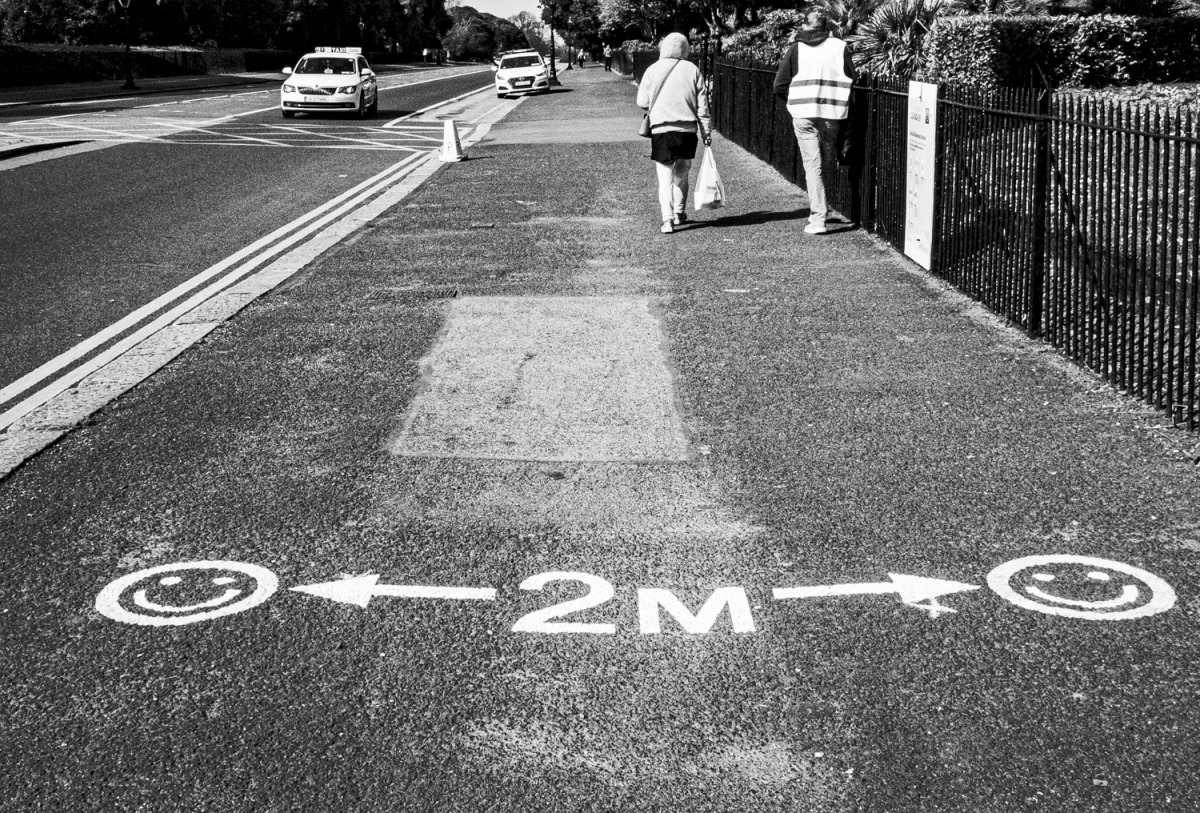
    You could cut through the paranoia on streets festooned with two-metre markers and yellow-coloured public health notices. Pedestrians would take refuge on to the road to avoid a close shave with another living human being. Joggers became hate figures.

    Later in the summer of 2020, the Irish Times launched an emotive Lives Lost Series. It reads: ‘Those who have died in Ireland and among the diaspora led full and cherished lives’; the series was ‘designed to tell the stories behind the numbers.’

    These included Richard Brady, an ‘Avid Dubs fan who loved his family dearly’; Ann Hyland, who ‘wrote a children’s book, climbed the Great Wall of China, rode a camel in Morocco, jet-skied in Barbados’; and Vincent Fahy who ‘began his career with ESB ‘putting the light’ into rural areas.

    These are touching tributes to ordinary people among a generation that built Ireland as we know it, but these lives were only cherished after their deaths. It begs the question: why are additional people now dying being treated as numbers? Where are the TV cameras to witness them gasping for breath?

    The name chosen for the series ‘Lives Lost’ is also instructive. Lost Lives: The Stories of the Men, Women and Children who Died as a Result of the Northern Ireland Troubles is a well-know book containing short biographies of the victims of the Northern Ireland Troubles. It was adapted into a film by the same name in 2019.

    The linkage between Lives Lost and Lost Lives is surely deliberate. It conveys the impression that any death from COVID-19 was not really by natural causes, but caused by the terrifying virus.

    Over the course of the summer of 2020, the Irish public also became acquainted – via social media – with the phenomenon of Long Covid, or ‘long haulers’, through social media. This too seems to have been used to sustain worry, once many had discovered the low infection fatality rate for COVID-19. Thereafter, mainstream media, including the Irish Times and RTÉ, ran a series of articles emphasising the struggles of previously healthy individuals suffering from Long Covid.

    It is notable that no hue and cry was raised by the mainstream media when the Mater Hospital lost its fight to maintain a Long Covid clinic in late 2022.

    https://vimeo.com/426871719

    ‘We Need a Reckoning’

    Considering the calamitous excess deaths we are now witnessing, Irish society ought to be reflecting on the efficacy, and morality, of adopting the lockdown-to-vaccination policy promoted by the WHO. What Maureen Gaffney referred to as ‘Our version of the spirit of the Blitz’ may come to be regarded as the most damaging public health intervention in history – the military equivalent of turning guns on ourselves.

    In a powerful video message called ‘We Need a Reckoning’, the Indian writer Arundhati Roy describes the infliction of a two month lockdown on her country as a Crime Against Humanity causing untold suffering to millions of impoverished workers in particular. Ireland needs a reckoning too.

    In his article on excess deaths, Paul Cullen at least acknowledges that ‘many non-Covid deaths arose from the pandemic and its impact on our wider physical and mental health.’

    We are not alone. According to Eurostat in September, 2022:

    Excess mortality in the EU climbed to +16% in July 2022 from +7% in both June and May. This was the highest value on record so far in 2022, amounting to around 53 000 additional deaths in July this year compared with the monthly averages for 2016-2019.

    Throughout 2022, EuroMOMO pooled estimates of all-cause mortality for the participating European countries showed elevated excess mortality. Most shockingly there has been a clear uptick in deaths among young people, especially children under the age of fourteen.

    Source: https://www.euromomo.eu/

    Since April 2022, according to the economist Dan O’Brien, Ireland’s excess deaths have been well above the average – 15% higher than the average pre-pandemic level (circa 2,500 people over 7 months).

    That this unusual pattern of mortality should be occurring in the wake of a respiratory pandemic is particularly alarming, given these generate excess deaths. A wave of illness afflicting almost everybody at least once ought to have accelerated the deaths of a substantial proportion of those with underlying illnesses between 2020 (or earlier) and 2021, leaving behind a healthier population overall.

    Last October, ex-Taoiseach Micheal Martin told a Fianna Fáil meeting that medical experts had warned him of ‘dramatically increasing cancers because of delayed diagnoses’ linked to the impact of COVID-19 on the health service. But we know from the UK that people missed appointments out of fear of contracting the virus, not because of insufficient capacity. Moreover, there is no evidence of an increase in mortality from cancer between 2019, 2020 and 2021.

    Stress

    One indicator that the stress of lockdowns and other non-pharmaceutical interventions bear primary responsibility comes from the case of Sweden, where health authorities famously took a softer approach, declining to lockdown in March, 2020. Notably, vaccination rates are above average compared to the rest of Europe.

    Among a list of countries studied by the Organisation for Economic Co-operation and Development, the Scandinavian nation ranked lowest for overall cumulative excess deaths from 2020-22 at 6.8 per cent, compared to Australia (18 per cent), the UK (24.5 per cent) and the US (54.1 per cent). In Ireland and elsewhere, we may be witnessing the delayed impact of stress generated by repressive policies and fear messaging.

    In his recent book, the Myth of Normal: Trauma, Illness, & Healing in a Toxic Culture (2022), Gabor Maté cites illuminating research into the biopsychosocial determinants of many illnesses, including cancer, auto-immune conditions and heart disease. ‘Stress’, he says, ‘plays its incendiary role: for example through the release of inflammatory proteins into the circulation’. This inflammation is ‘a fertilizer for the development of disease.(p.94)’

    He also alerts readers to what Dr Lydia Ternoshock has described as a type C[ancer] personality. She interviewed 150 patients with melanoma and found them to be ‘excessively nice, pleasant to a fault, uncomplaining and unassertive.(p.99)’

    Maté argues that ‘repression disarms one’s ability to protect oneself from stress’, explaining:

    If you go through life being stressed while not knowing you are stressed, there is little you can do to protect yourself from the long-term physiological consequences.(p.100)

    It is also possible that near-constant stress generated by a prevailing belief that COVID-19 was going to kill or do serious harm to you played a part in the prevalence of ‘Long Covid’.

    Adam Gaffney, an assistant professor in medicine at Harvard Medical School argued for a more critical appraisal of Long Covid in 2021. Having expressed scepticism around a condition characterised by symptoms such as ‘brain fog’, he recalls being contacted by a journalist who said: ‘I’m asking as much as a person as a journalist because I’m more terrified of this syndrome than I am of death.’

    Gaffney acknowledges ‘myriad long-term effects, including physical and cognitive impairments, reduced lung function, mental health problems, and poorer quality of life’ from severe bouts of COVID-19, but cites a survey showing two-thirds of ‘long haulers’ had negative coronavirus antibody tests, and another, organised by self-identifying Long Covid patients indicating around two-thirds of those surveyed who had undergone blood testing reported negative results.

    He asserted: ‘it’s highly probable that some or many long-haulers who were never diagnosed using PCR testing in the acute phase and who also have negative antibody tests are “true negatives.”

    In other words, Gaffney argues that for many Long Covid is a disease with a strong psychological component, which Gaffney attributes to ‘skyrocketing levels of social anguish and mental emotional distress,’ referencing a paper showing that about half of people with depression also had unexplained physical symptoms.

    During COVID-19, a trusting Irish public were habituated to low intensity stress driven by constant reminders of the presence of “the virus” across media and in their day-to-day lives. Any form of rebellion against this state of affairs made one a social pariah, leading most to repress this impulse. This could have provided an ideal “fertilizer for the development of disease.”

    It now appears that both lockdowns and much vaunted vaccines had only marginal effects on preventing mortality from COVID-19. It is unsurprising, therefore, that mainstream media in Ireland is giving scant attention to the collateral damage of policies that were, with few exceptions, uncritically accepted over the course of the pandemic.

    Feature Image: Daniele Idini

  • Privatisation is the Enemy

    When writing about JobPath in 2016 I attempted to articulate something disturbing I had seen when the DSP appeared to collude with private companies to deceive welfare recipients into entering into contracts with the private companies, contracted by the DSP to deliver the JobPath “service”.

    I never quite articulated the more general problem of privatisation, and ended up ghettoised really in arguments about welfare and “willingness to work”, exactly as the propaganda of the time was designed to frame the problem. Interestingly, Ken Loach’s film ‘I, Daniel Blake’, which is concerned with the same anomalies in the employment activation system, also ended up similarly ghettoised in the welfare question.

    Corner-Cutting for Profit

    But during my research I noticed something even more sinister than state collusion with private entities duping the citizenry: for instance, certain private prisons in the United States – which were run by the same companies who ran JobPath – were shut down by the Obama administration when it was discovered that prisoners were suffering malnutrition and dying: due primarily to severe cost-cutting for profit on the part of the private companies.

    Similar scandals have emerged here with regard to the Direct Provision service, where services to the “clients” are cost-cut to boost company profits. As I write, a similar scandal is emerging with reports from Ukrainian refugees of inedible food in a migrant centre somewhere in the south of the country.

    Similarly, the cervical smear scandal is essentially also a result of cost-cutting as a result of privatisation, cost-cutting that has cost some people their lives, most recently Vicky Phelan, whose final message to us was to always ask questions, the very thing our mainstream media often fail to do.

    Privatised Armies

    Meanwhile, it has come to light that the Russian state is using private military companies to conduct the war in Ukraine. The arrangement is similar to all other privatisation deals, where a private company inserts itself between public money and the people in return for providing a “service”, depleting the quality of the original service to siphon off as much as it can for its share-holders.

    The difference in Russia is that the “clients” – in this case conscripts – are being used as cannon fodder. The US of course has labelled one of these companies, Wagner, a transnational criminal entity. But in a world of transnational corporate bodies that’s just the pot calling the kettle black.

    In the YouTube video by Johnny Harris, ‘Who got rich off the war in Afghanistan’, Harris reveals a system of military privatisation in the US that becomes a free-for-all of public-money-siphoning, under the pretext of war, for a plethora of private government contractors, with members of Congress even holding shares in some of the companies receiving the contracts.

    And as is often the case with such things, all the shady dealing is hidden and obscured behind innocent-seeming terminology. Like the old song, you say tomayto and I say tomato, it’s a case of you say security and I say mercenary.

    Harris’s video shows most clearly the manner in which corporate privatisation of state services is often little more than a system by which private entities, in collusion with rogue government representatives, conspire to basically ransack tax-payer generated public funds for the benefit of private investors.

    Put simply, why should millions of poor people have education, health and welfare benefits when a small gang of wealthy people could just as easily have all that money for their yachts, private planes and nose jobs? Hm? Makes sense to me.

    Pardoned to Death

    In Russia, to find recruits for the war in Ukraine the Russian government offered pardons to prisoners in the prison system who were then contracted as soldiers to the private military company Wagner, becoming the very essence of cannon fodder.

    For instance, it is a routine tactic on the front, according to captured Russian soldiers, for commanders to deploy troops of conscripted convicts into conflict areas in order to identify gun emplacements and other targets for their artillery. They achieve this by the simple expedient of allowing the conscripts to be gunned down, giving the commanders the opportunity to see where the gun emplacements are and relaying this information to their artillery.

    The point is, like the prisoners in the US private prison system, or the migrants wasting away in Direct Provision, or the people on trolleys in hospital corridors,  or the sincere young men pedalling furiously through traffic as delivery “companies” to make a buck that won’t even pay a rent, while the parent company grows fat and rich; the Russian prisoners on the Ukraine front, having made a pact with the devil in the hope of amnesty, are nothing and no one in the greater game of profit and loss. A great game being conducted by governments and those private interests, often the buddies of government officials, insinuating themselves between public expenditure and the people this expenditure was intended for.

    Privatised News

    Politics has moved far beyond the old simplicities of left and right, and is now firmly established as corporation versus the individual. This is perhaps why mainstream media in general seems so oblivious to the insidious creeping nature of privatisation into all corners of the culture, since big media is itself corporate.

    This is why privatisation is the enemy, because the traditional protector of democratic freedoms, the so-called serious mainstream media, is itself already corporate and privatised. Even when it emerged that the private companies contracted to deliver JobPath were slyly attempting to blur the lines between welfare and criminality, it was reported only by one rag tabloid, while the serious media looked away.

    Surrender and Conform

    Like that old movie ‘The Invasion of the Body-Snatchers’, privatisation invites you to surrender and conform, softly crooning that it’s the end of all anxiety and worry to simply give up on yourself and just get in line with the company’s needs.

    As Barbara Ehrenreich showed in her book Smile or Die, How Positive Thinking Fooled America and the World corporate propaganda designed to disarm workers is knowingly implanted by the use of positive thinking and the concept of team-work. In work situations where precarity is the reality the worker is advised to be upbeat at all times.

    This insanity-inducing expectation has the effect of controlling potential worker dissatisfaction at source, saving the company the problem of individual grumbling that might lead to unionisation. This allows companies to lay-off workers by the thousand for profit, depending on market fluctuations, without any blowback. Such a culture sends workers the message that they are worthless.

    The only way out of this is to find a company to surrender to and hope that you get lucky enough to be kept, a situation that ultimately devours the human qualities of independence that make a culture healthy and productive and generous, the workers under the privatisation cosh of corporations becoming resentful of those dependent on welfare.

    In this way the systems of privatisation consume all the good in society and in people. All the virtues that created the society becoming little more than the raw materials the corporations feed off.

    Feature Image: Direct Provision centre at Lissywollen, Athlone, in 2013.

  • Finding Your Voice After Trauma

    Have you ever experienced that emptiness, that deep silence, that infinite ignorance following trauma? Well, I have. And let me tell you, it doesn’t always happen right away. Sometimes, you have to actually look past the first few weeks or months to feel it. You’ll eventually see it at some point, with support or not. You’ll find yourself entirely alone, in that nothingness where everyone else – maybe even you – thinks that enough time has passed.

    Time as an Almighty Healer?

    Like a lot of people, I used to picture time as the ultimate solution. Because that’s what we’re told since we’re little, isn’t it? “Time heals all wounds,” they say. You have obviously heard that phrase before, whether from your family, a friend, a TV show, or a book you once read.

    Now, I’m not a scientist, but I learned how wrong that expression is.

    It would be great, of course, to have one miraculous way to fix things, to simply go through life, ignoring all the issues you may have, because time will gladly deal with them for you. Except it doesn’t work that way.

    Seeing time as a cure is one of those made-up illusions we keep telling ourselves in order to feel better. It’s reassuring to think that if you’re still suffering, it’s not because of you or anyone else, but because you didn’t give yourself enough time.

    Don’t get me wrong, time does help. It sure makes you stop crying, but it won’t heal you. Letting time pass means going into a routine. Eventually you recognise the pain, the sorrow, the sadness. You know what it feels like, and you settle into it.

    Not long ago, I questioned a lot how humans respond to trauma and how we handle it, not just individually, but as a society. Well, usually, we hold it locked inside. Again, believing that time will sooner or later do its thing. I’m sure, if you’ve endured trauma, and talked about it, you’ve heard people say: “I’m here for you, but you just need a bit of time, really.”

    Like you, probably, I once thought it couldn’t hurt to speak those things. But recently, I experienced first-hand how painful it actually was.

    Time is personal. Some might need weeks, other months or years. It depends on so many factors: past trauma, education, environment, support… So truly, it’s “your time”. Now, let’s say, you need three years. Yet for a friend of yours, three months might sound enough. What happens then? What happen if you don’t improve in those three months? You gave yourself time, or at least, you suppose you did, and everyone around you assumed you did too. But still, you don’t seem okay. Well, guess what, you start feeling guilty about it. Like it’s your own fault if you don’t get better.

    It’s deeply anchored in society. Take therapy, for example. Some people, governments even, actually think that you only need a few sessions to deal with an issue, to “move on”. As if trauma only takes ten weeks to what, disappear?

    Now you see why I believe perceiving time as a healer is dangerous? Because once you start, you put a quantifiable value on trauma. Which also means that, eventually, everyone stop talking about it. For them, it’s in the past. Yet for you, it’s still very much a part of your life. So you find yourself alone, not being able to confide in anyone, feeling guilty for seeking support. Even the loved ones who first supported you think it’s all gone now, assuming that, with time, scars fade, as if they never happened.

    Yet here they are, inked. And to ignore them, worse, to declare they ceased to exist is not only a denial of reality, it’s indicating that a victim of trauma – whatever the trauma is – doesn’t have a reason to be one anymore. As they say: “It’s water under the bridge.”

    And so, it’s creating an excuse for people to stop listening, a true motive to silence the voices.

    Silencing the Voices

    You might think I’m cynical. However, by creating an illusion, you end up denying what life is like, sealing society in the unspoken and taboos. You’re not questioning the world’s problems, you’re not looking into the real issues; you’re merely waiting for things to wash away – silencing the voices in the process.

    By making the victims guilty about the depth of their recovery, you’re locking them in this inner pain, in the long aftermath that lasts only for them, for us. People get lost in that silence, in that emptiness where no one dares to speak up for fear of moving the knife again, of showing once more that “time has not yet healed all wounds”.

    Feeling as angry as I am? Well, don’t worry. It’s a good thing.

    Anger Led to Revolutions

    Want to learn something? Anger makes the changes. So don’t be afraid to awake her. Rise and shout until you turn the earth upside down. Scream at those who refuse to face reality, to see pain for what it actually is.

    Don’t look back. Don’t search your voice in some past you left behind. For she’s still here, within you. She’s in your rage, your sadness, your innocence, your beliefs, your joy, your sorrow, your despair, your fear, your bravery; she’s in all those emotions and those memories you locked yourself in when you noticed no one was listening. But make them listen; keep talking.

    For it’s not their voices that society needs to hear, but ours.

    Feature Image: Daniele Idini

  • Poetry: Gratitude

    Gratitude

    “Hate it here? But why?”
    I’m sick of your confounded cry.

    London is Open—
    But when is a kind word spoken
    At 8 AM when elbows stab your side,
    A slouching drunk swallows your Pride,
    And grinning altruists shiver and wait
    For you to blink and take their bait?
    And so we move in clogging thuds,
    Weave through drying gum and blood.

    London, what are you doing?
    Are you even awake?
    “City that never sleeps”? I’m suing.
    You plagiarize for tourism’s sake.

    London, you pander to the saints,
    Resign yourself as relatively quaint.
    You barely know where you end,
    You hardly care when around the bend
    The streets are piled with shoveled debris;
    You gentrify, refine, on your austerity spree.

    I want to love your complacency,
    That languid beauty in every face you see;
    You have extolled diversity.
    You lack sincerity.
    If Broadway bleeds, the West End is dry—
    Not “if”, that’s exactly what I mean by

    Passionless, reserved, ancient, tranquil;
    I repine, I whine, but still I’m thankful.
    As I dissociate on your timely Underground,
    Elton’s voice sings, “for the people I have found.

    Image: Daniele Idini

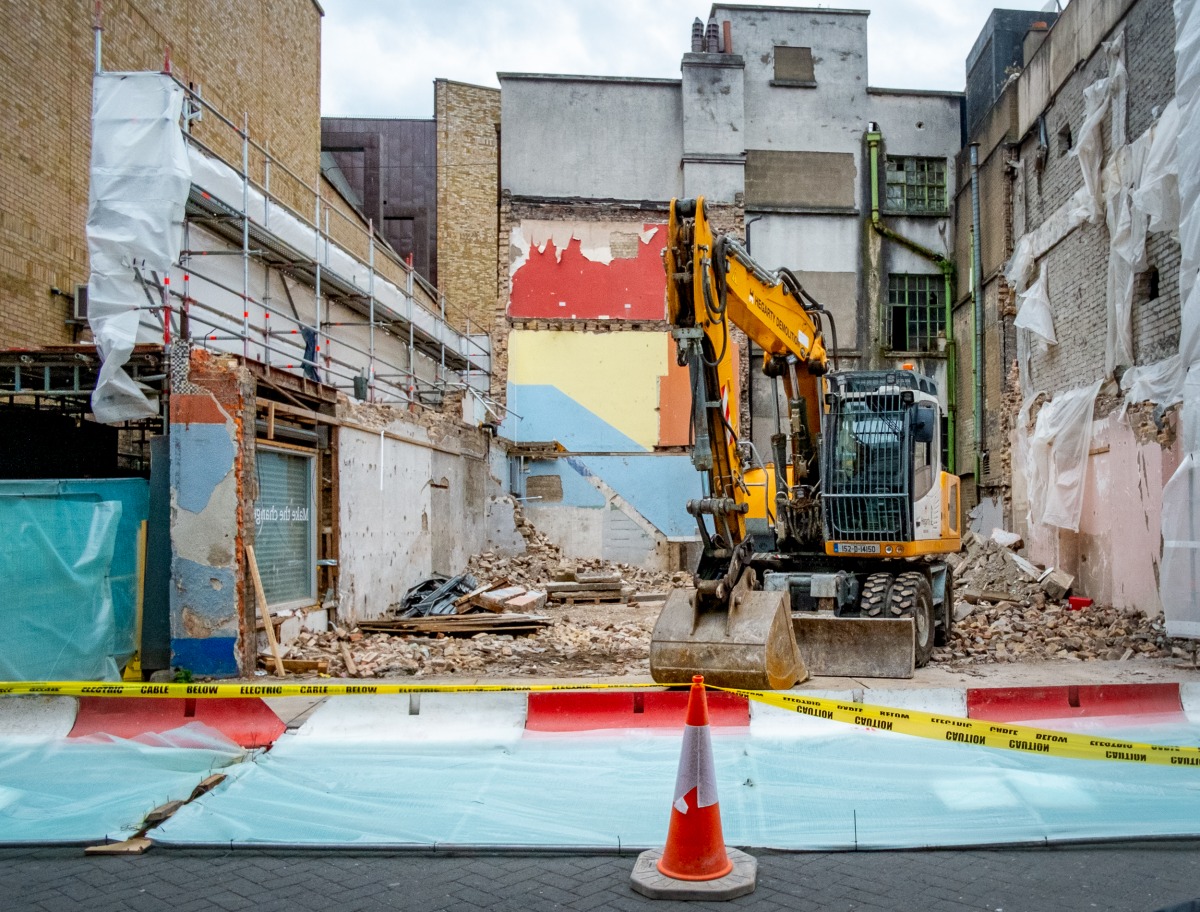
  • Housing: Vacancy and Dereliction

    In 1841 the population of county Leitrim stood at 155,297. By 1901, however, it had fallen  to 69,343, dropping further to 41,209 by 1951, before reaching a nadir of just 25,057 in 1996. The 2022 census records a population of 35,087 – a significant increase, but still a staggering 77% reduction on the 1841 figure.

    No other Irish county has experienced such a dramatic decrease over that period; although all witnessed varying levels of decline apart from two Northern counties, Dublin (which experienced a 289% increase) and its adjoining counties. The Western seaboard’s demographic pattern merits comparison with the impact of European colonisation on the native populations of the Americas.

    The presence of both abandoned stone cottages and tumbledown bungalows bear witness to this long-running decline; these are nestled in a bewitching but ecologically scarred landscape of craggy mountains, gushing falls and still pristine lakes. Lough Allen, the source of the majestic Shannon, divides a mountainous north from the flatter lands of the south. A short stretch of coastline positions the county on the Wild Atlantic Way.

    Perhaps unsurprisingly, according to CSO data the vacancy rate for Leitrim in 2022 was 15.5%, down from 19.9% in 2016. Indeed, Leitrim has the highest rate of vacancy of any county in Ireland, followed closely by its neighbours Roscommon and Mayo. In contrast 5.5% of Dublin properties were vacant – still an unsatisfactorily proportion given there are currently (as of February 10, 2023) just under six hundred properties available rent for all of Dublin city and county listed on daft.ie.

    There are various explanations for the stark population decline along the western seaboard since the Great Famine (1845-51), most obviously the Famine itself, but also a shift in agricultural priorities from tillage to pasture after the Napoleonic Wars in 1815 and the Repeal of the Corn Laws in 1847, which brought cheaper grain to the British market.

    As John Mitchel wrote sarcastically for The Nation in 1847:

    You may be surprised to hear of a country having, at one and the same time, a “surplus produce” and a “surplus population” – too much food for its people, and too many people for its food. Your surprise arises from ignorance of the great principles of political economy. All produce that can be spared for export is, in the technical language of that science, “surplus;” and all people who cannot get profitable employment are also “surplus.”

    Pastoral agriculture depends on low labour inputs for profitability, meaning few children from any family could stay on the land. After independence, it became state policy to encourage beef and dairy exports. Since then, European subsidies have calcified an agricultural system that produces (as of 2020) just 61,800 tonnes of fruit and vegetables for the domestic market, compared to imports of 890,000 tonnes.

    It is also notable that two railway lines serving Leitrim were dissolved in the 1950s: the Cavan and Leitrim Railway running between Dromod and Belturbet with a branch from Ballinamore to Arigna; and the Sligo, Leitrim and Northern Counties Railway, which ran between Enniskillen and Collooney near Sligo, taking in the north of the county, including Manorhamilton.

    Vacant Property Refurbishment Grant

    The Vacant Property Refurbishment Grant provides for a sum of up to €50,000 to refurbish a vacant property. It appears tailor-made for a significant proportion of the housing stock of Leitrim. As of February 7, 2023 there are 33 properties for sale under €100,000 in the county out of 197 according to the website daft.ie. Many appear suitable candidates for the Grant.

    In line with national trends, property prices have been rising steadily in Leitrim, albeit from a low base. Research on daft.ie indicates a 13.8% increase in the average price of property in the county over the course of 2022, the second steepest increase for any county apart from Donegal. Such a figure could be skewed by a few expensive purchases, but is a good indicator nonetheless.

    The prospect of purchasers receiving a Vacant Property Refurbishment Grant might lead vendors to apply a premium. Anyone availing of the Grant, meanwhile, must retain the property as a principal primary residence, and be a first-time buyer or qualify for the fresh start scheme.

    After receiving the Grant, if you decide to sell up or rent the property out within ten years of a successful application local authorities will claw back the Grant. If it is less than ten years, you must repay it in full; over five years, but less than ten, you have to repay 75%.

    Anyone availing of the Grant would want to be sure of their desire to live in a particular area, and of this fitting with their employment prospects. Moreover, the sum involved would hardly put a roof on many of the dilapidated properties dotted around the Irish countryside, given the current cost of building materials.

    The Grant does not apply where an individual is living in the house after the purchase. One contributor to boards.ie, who claimed to be sleeping on a mattress in a house in need of significant refurbishment, said he was denied the Grant on this ground alone, which seems unfair.

    Perhaps unsurprisingly given the onerous terms and conditions, there has been little uptake. Last year, 765 applications were made for the Grant. 105 of these were approved while another 102 were rejected. The remaining 558 are still in progress.

    One can understand a need for due diligence before pay outs are made. However, assuming the Department is insufficiently staffed to carry out numerous inspections, it is surprising to hear ads on the radio promoting the Grant. Perhaps this is simply to create the impression that a beleaguered Government is taking action on the hot topic of vacancy.

    Vacant Homes Action Plant

    On January 30 2023, Minister Darragh O’Brien launched the Vacant Homes Action Plan 2023 – 2026. In its preamble the Minister sensibly stated that the ‘most efficient home to deliver is the one which already exists’.

    The report points to Our Rural Future: Rural Development Policy 2021-2025, a Government policy launched in March 2021 that purports to provide a framework for the development of rural Ireland:

    One of its key objectives is to support the regeneration, repopulation and development of rural towns and villages to contribute to local and national economic recovery, and to enable people to live and work in a high quality environment.

    There is, however, scant evidence that Government measures are encouraging people to settle in rural Ireland, in contrast to insatiable demand for Dublin property, where almost thirty percent of the population lives. In contrast, less than 15% of the UK population inhabits London, which is generally considered disproportionate.

    The rather insipid planned actions include further budgeting for the Better Energy Homes Scheme; reference to the previously established Rural Regeneration and Development Fund; plans to harness European Regional Development Funding; and perhaps significantly a new programme for the Compulsory Purchase of vacant properties ‘for resale on the open market.’

    Compulsory Purchase Orders (CPOs)

    Use of CPOs is the most obvious means of addressing vacancy, as well as bringing land into use for housing and other development projects. Historically, Irish Governments have evinced a reluctance to use CPOs to generate land for housing, notably the failure to act on the recommendations of the Kenny Report (1973) recommending that local authorities should be empowered to acquire undeveloped lands at existing use value plus 25% by adopting Designated Area Schemes.

    Historically, the Courts have also generally weighed a constitutional right to property over what is, arguably, a concurrent constitutional right – flowing from a generalised Right to Life –  for citizens to secure reasonable accommodation. Father Peter McVerry has pointed to a paradox whereby a constitutional right to property is ‘being used to prevent Irish people getting their own home.’

    The Vacant Homes Action Plan is thin on ambition, merely stating that with ‘regard to compulsory purchases/acquisitions is being reviewed with a view to streamlining and consolidating the CPO process. This will arrive alongside a review of the Planning Act and the Law Reform Commission’s examination of the use of CPOs which is ongoing.’

    Although the Plan states:

    The Department in partnership with the Housing Agency will examine each local authority’s Derelict Sites Register with a view to identifying potential properties that could be brought back into use through compulsory acquisition. Local authorities will be requested to review these properties in the first instance with a view to engaging with owners.

    And that

    Under Action 19.9 of Housing for All, it was agreed that all Government Departments would examine their existing portfolio of properties and, subject to any obligations under the Public Spending Code, the Land Development Agency Act 2021 or the State Property Act 1954, would place them on the market if they were not required and may be suitable for residential housing.

    Existing Schemes

    The Plan also refers to the Ready to Build Scheme, which was launched in September, 2022:

    Under the Scheme, local authorities will make serviced sites available in towns and villages at a discount on the market value, to individual purchasers for the building of their home which will be their principal private residence. It is intended that the local authority will develop existing sites in their control or purchase sites.

    And to The Living City Initiative, a scheme of property tax incentives first enacted in the Finance Act 2013 and commenced on 5 May 2015 aimed at the regeneration of older heritage buildings in the historic inner cities of Cork, Dublin, Galway, Kilkenny, Limerick and Waterford.

    The Plan acknowledges that there been a low take-up of this initiative, but points to a number of measures included in the Finance Act, 2022 aimed at accelerating uptake.

    Photo ©Daniele Idini

    Vacancy

    The Vacant Homes Action Plan also says that in Budget 2023, ‘the introduction of a Vacant Homes Tax was announced. Legislation providing for the introduction of the new tax is included in the Finance Act 2022.’

    It estimates that 57,206 (3.2%) of all Irish properties were indicated by their owners as being vacant. A property is considered vacant for the purposes of a forthcoming tax if it is in use as a dwelling for less than 30 days in a 12-month chargeable period. Owners of vacant properties are to be charged at a rate equal to three times the property’s base Local Property Tax liability for 2023, which will apply in addition to a property’s LPT charge.

    This, however, will only apply in relation to vacant properties ‘that are habitable, and therefore suitable for occupation as a dwelling.’

    The Plan also provides for important exemptions to ensure, as it puts it, ‘property owners are not unfairly charged for temporary vacancy arising from genuine reasons.’ These include recently sold properties, or those currently listed for sale or rent.

    It would seem that simply by putting up a property on the market for sale or rent – at whatever price – the penalty may be avoided. We seem to be in the realm of performative politics again, rather than substantive action.

    Photo ©Daniele Idini

    Two Categories

    There appear to be two broad categories of vacancy in Ireland. An awareness of this distinction might inform policy and the law. The existence of designated rent pressure zones already distinguishes between regions of the country.

    We may observe the first category occurring in mainly urban areas – rent pressure zones – especially Dublin and its hinterland where housing is in short supply. Here, a dominant player, or players, could collude by withdrawing accommodation from the market in order to maintain, or generate an increase in, rental income. This is especially insidious and severe penalties should be available to stamp out any suspicion of any such monopolistic practices.

    A second category of vacancy arises in a rural county such as Leitrim which has experienced historic de-population, leading to the abandonment of many houses. Draconian penalties serve little purpose here. Instead, there should be greater incentives for renovation and refurbishment. Here at least, the Vacant Property Refurbishment Grant should not be restricted to principal primary residences.

    In the case of much of county Leitrim, even for people to live for a part of the year there would be a boon for retail and hospitality businesses, and could restore life to sleepy villages that have experienced emigration over many generations. For the Vacant Property Refurbishment Grant to inhibit sales for a period of ten years seems prohibitively restrictive, and would likely deter many from availing of it.

    It is in the public interest for the stock of quality housing to rise through the availability of such grants. A three year restriction seems sufficient.

    A second, ‘holiday’, home would offer an opportunity for residents of built-up urban areas to undertake small scale agriculture on a part-time basis in summer retreats, as one still sees in Central and Eastern European countries where an apartment in the city is often complimented with a rural residence that includes a market garden. The availability of alternative garden space for the summer months might lead “empty-nesters” and retirees to downsize from houses into apartments.

    A sparsely populated country like Ireland ought to have available a stock of affordable housing in low density rural locations for second homes, such as is the case in Scandinavian countries.

    Game Changer?

    Policy makers need to look beyond housing itself to encourage re-population of rural Ireland, while confronting car dependency. We require a radical improvement in public transport. Extending quiet ways on treacherous roads would also allow for safer cycling. E-bikes could be a game changer for rural Ireland, permitting extended journeys for older less physically fit people, while expending far less energy than even electric cars. Buses and trains need to offer free and secure carriage for bicycles.

    Hopefully the Department of Housing is working in conjunction with the Department of Transport, following Eamon Ryan’s recent proposal for rail lines to be restored in the West, to identify areas suitable for development in rural Ireland.

    Reversing the decline in Ireland’s rural population, especially along the western seaboard, requires joined-up thinking and innovative approaches. Cheap, modular housing might be considered for new housing arrangements that depart from the conventional idea of the family home in a changing society.

    Co-operative agricultural enterprises, inspired by the tradition of the Clachan, offer the prospect of sociability and affordability, while potentially reducing greenhouse gas emissions and decreasing reliance on imported foodstuffs.

    One way to address a seemingly intractable housing crisis concentrated in the city of Dublin is surely to make other parts of the country more attractive to live in, especially in an era of remote working.

    There have been encouraging trends over recent decades along the Western seaboard, with renewed appreciation of resilient traditions and greater opportunities for adventure sports – but there is a hidden Ireland, generally at a remove from the coastline, that tends not to see benefits from tourism.

    As we approach the bicentenary of the Great Famine novel approaches to life in Ireland ought to enter the mainstream. Government should act decisively and imaginatively to encourage more people to live in counties such as Leitrim.

    Feature Image: Carrigallen, county Leitrim.

  • Interview On The Liffey

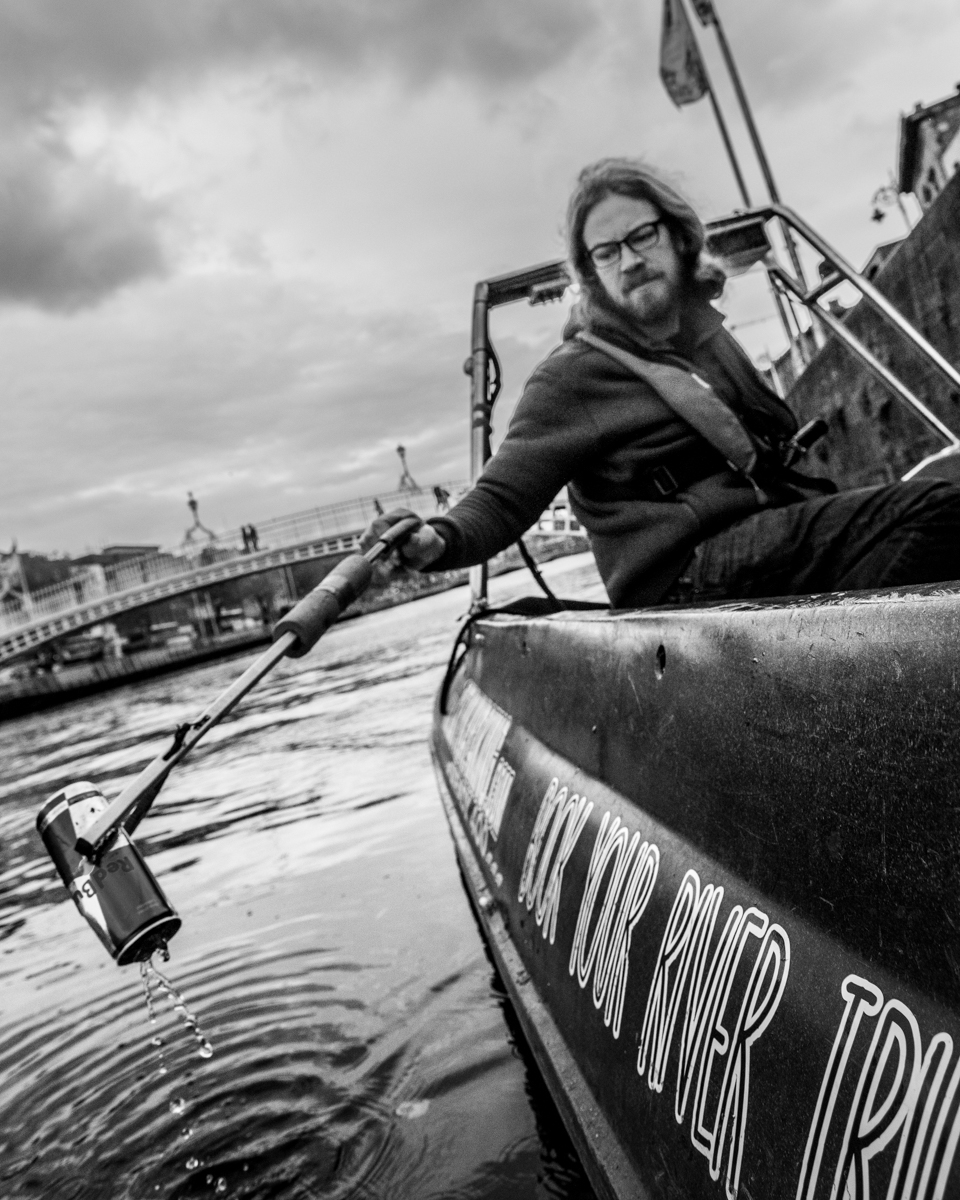
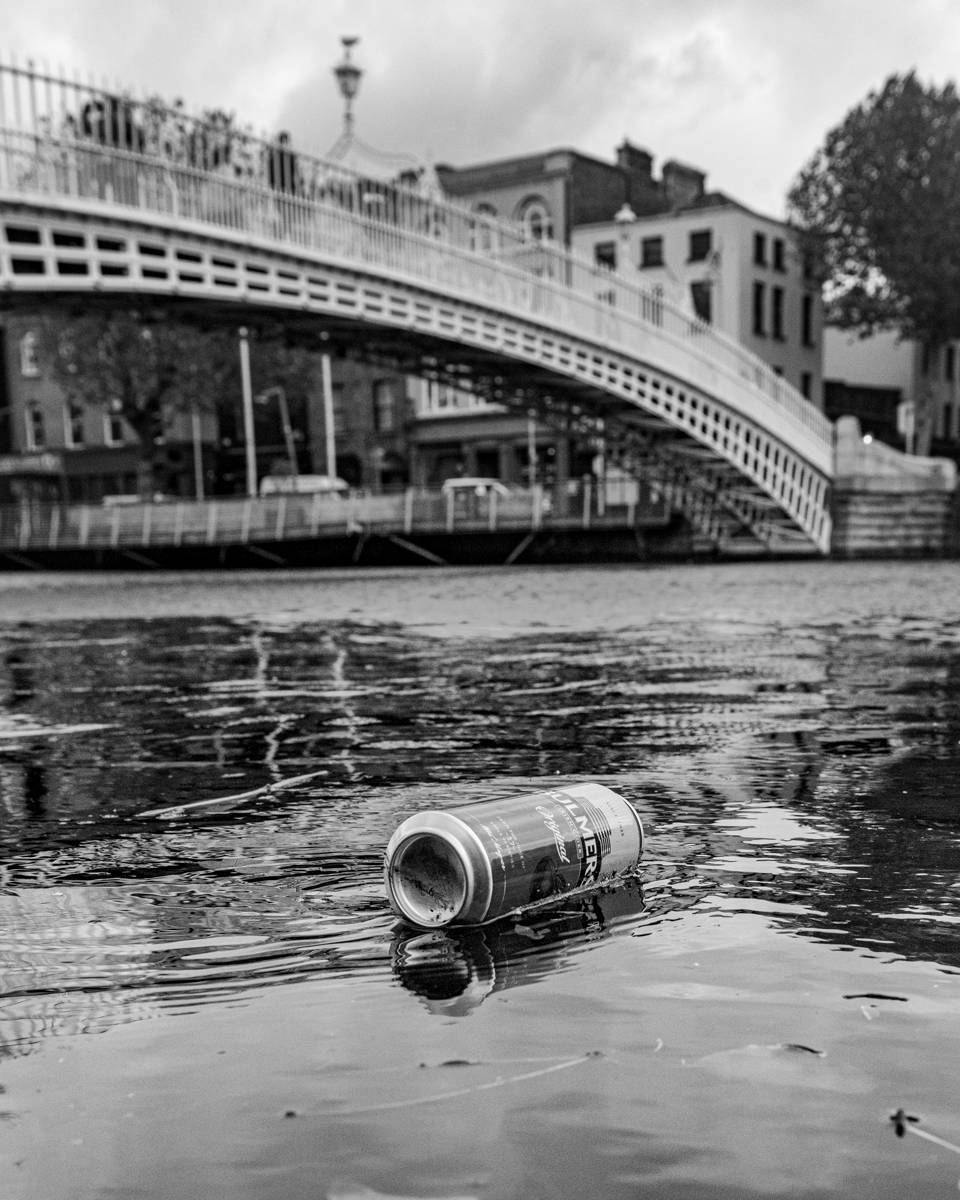
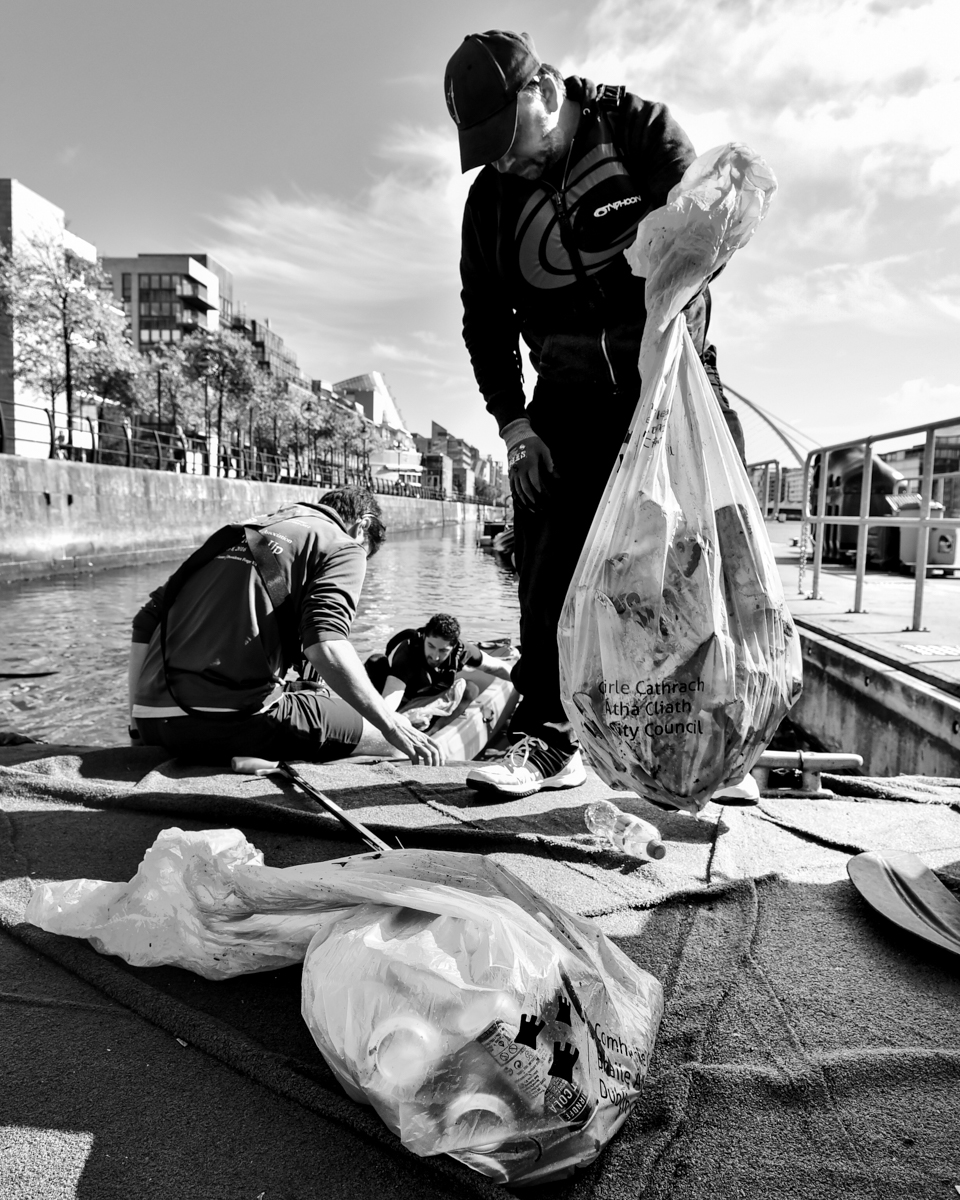
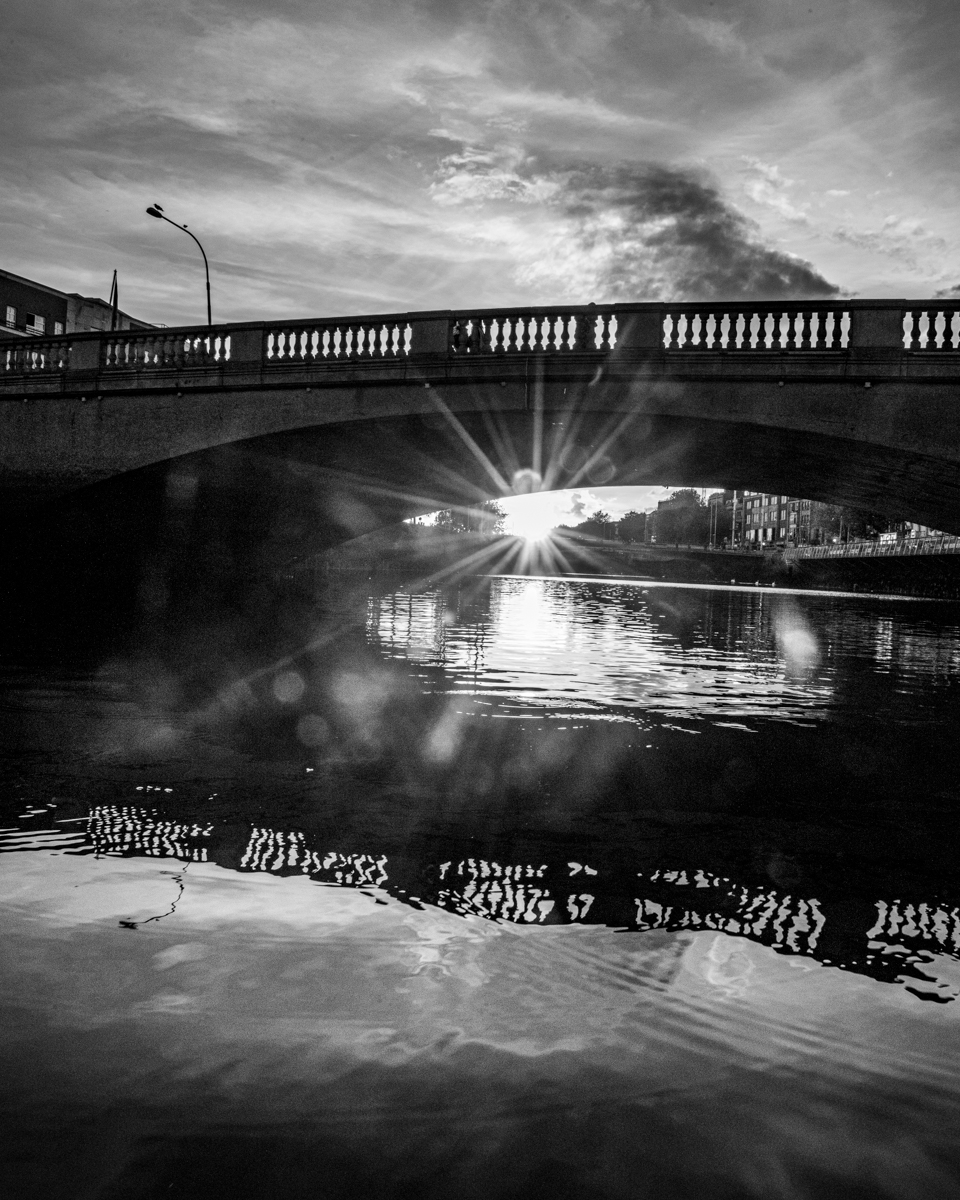
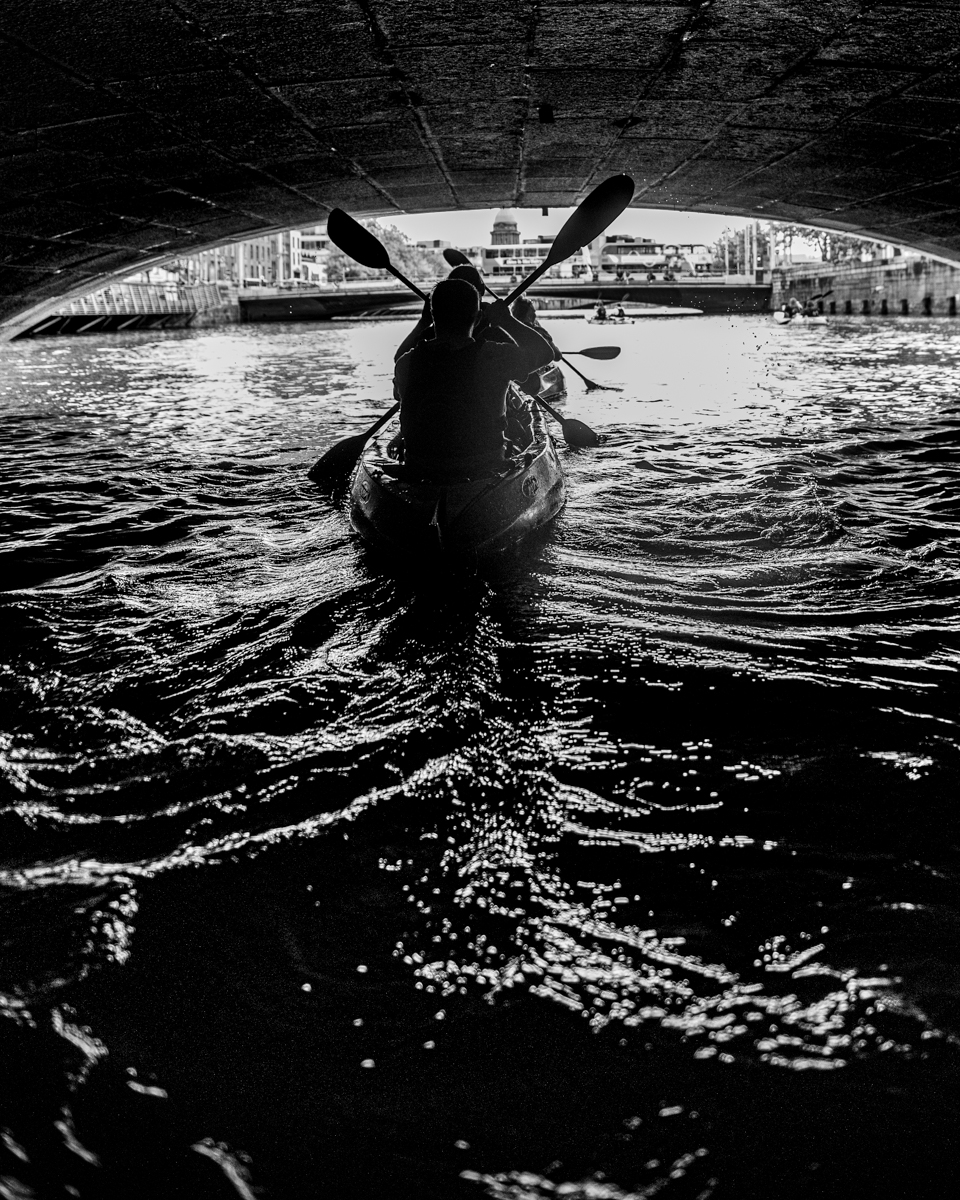
    Jonathan O’Brien of City Kayaking says they began taking litter out of the River Liffey ten years ago. In that time he’s seen a change in the river.

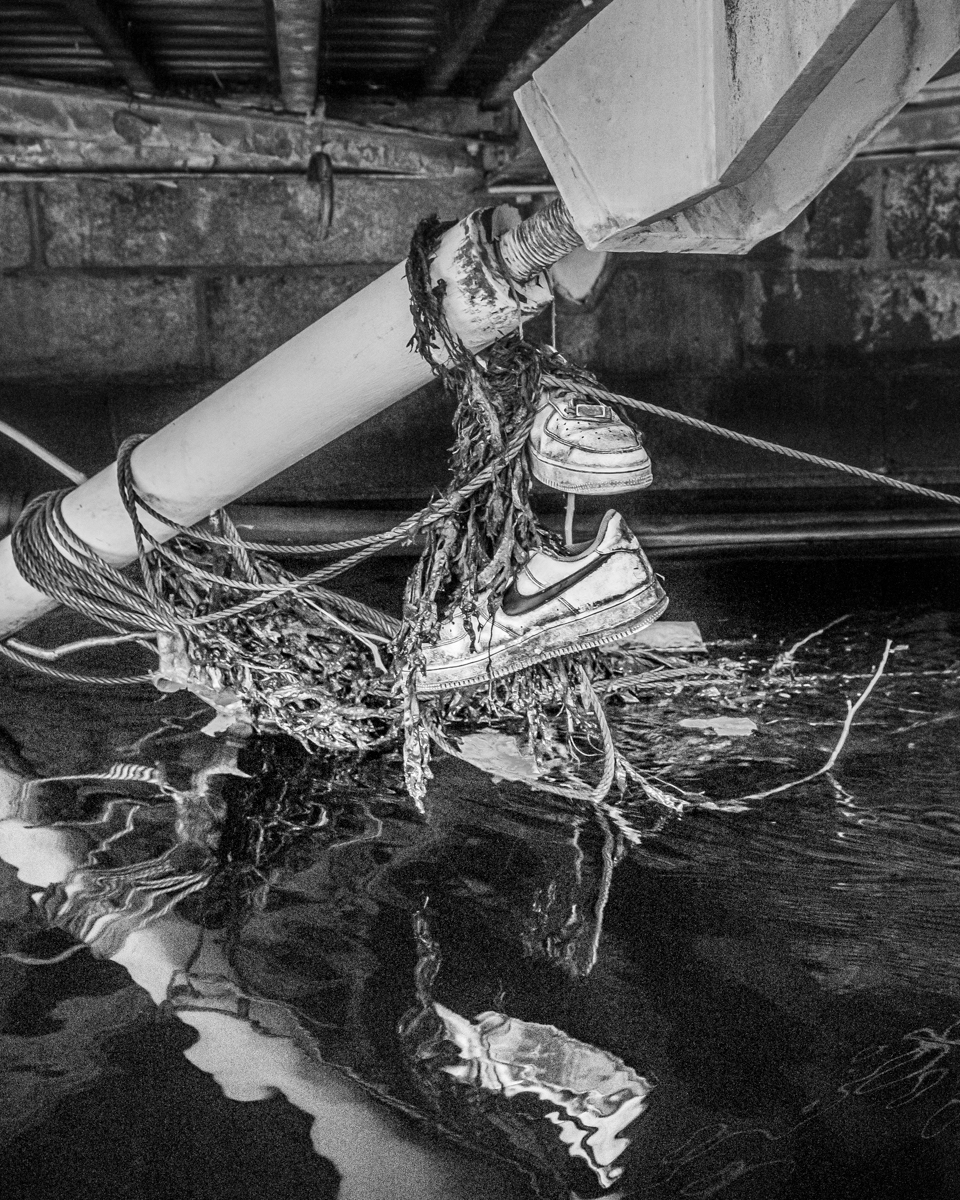
    City Kayaking was launched in order to offer people access to water activities in Dublin, but in the beginning there was a lot of what we used to call ‘legacy litter’ in the Liffey. It would have wildlife underneath it, or bottles would be full of barnacles. We don’t get that anymore. All the litter now comes out pretty clean, quite new. In the summer we take it out so quickly because we’re on the river so often. A McDonald’s bag will blow into the river and we’ll get it out before it’s even wet.  Whereas ten years ago people got used to looking at a lot of trash when they saw the Liffey.

    Today Jonathan pulls cans, plastic bottles and a few take away containers from the water while motoring up the river. Small amounts of effort every day go a long way,’ he says.

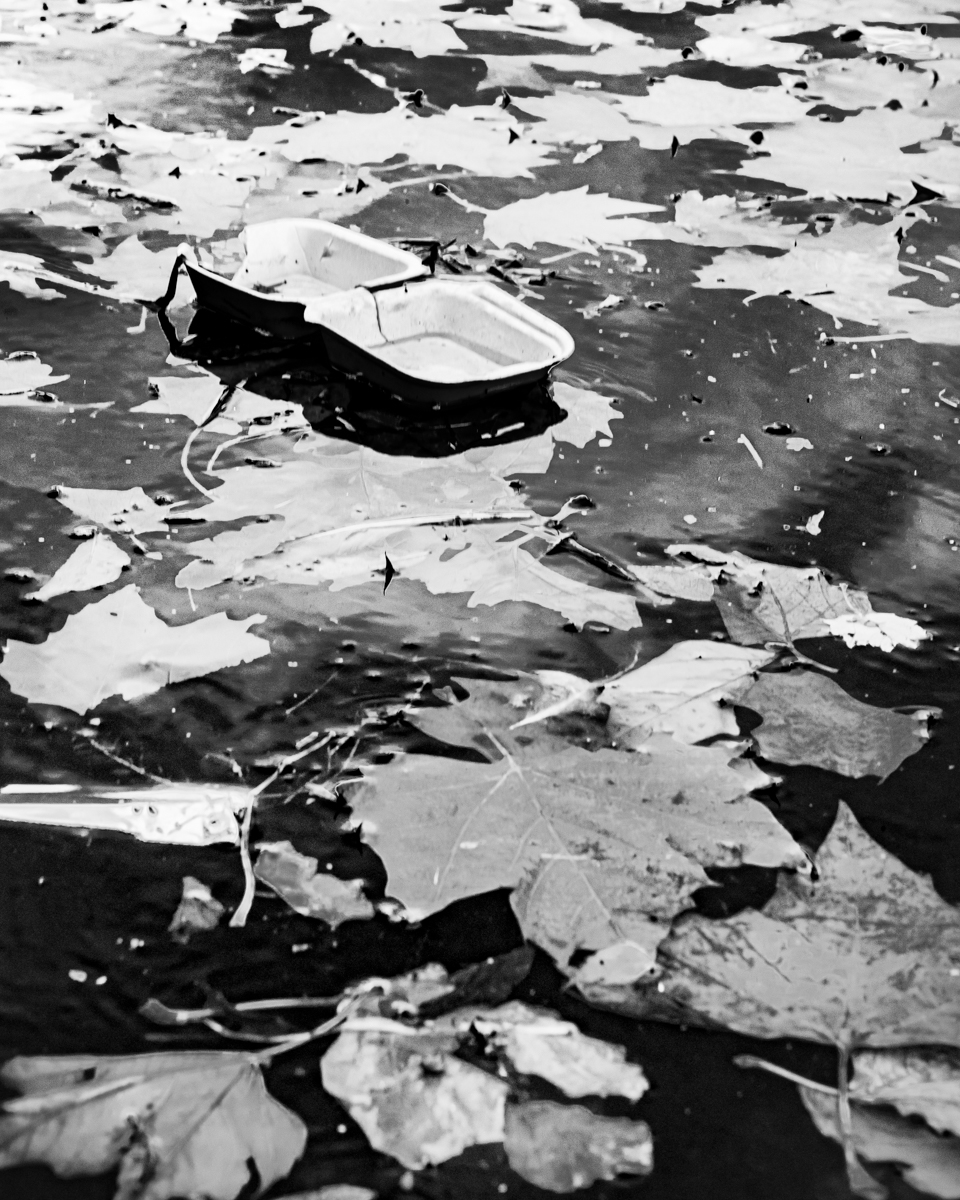
    The presence of Styrofoam is a recurring issue. Jonathan doesn’t know where it comes from, but he says it is as common as the seagulls: ‘there’s no pattern to it. It’s just there.’

    Jonathan reckons most of the litter comes from the city itself, from along the quays, the boardwalk and new Dockland developments:

    We can very easily predict where rubbish is going to be. Daily cleanups are just part of our routine now when guiding kayaking tours. For us, removing litter is a small step to leave the river cleaner than we found it. We’re also chipping away at negative perceptions people may have of the Liffey.


    Sadly, Jonathan has encountered little expertise in Dublin City Council for managing this waterway: ‘I don’t see a department in there who are getting their teeth stuck in.’


    Jonathan and his colleague Jamie have also been conducting tests on behalf of Dublin City University to monitor water quality. Over the past few years they have measured elevated levels of phosphate and nitrate, which washes downstream from farms and comes locally from urban runoff.

    This nitrate and phosphate residue is invisible to people walking Dublin’s quays but Jonathan sees its effect on the river’s flora: ‘effectively it fertilises the river. Those blooms of algae grow. They grow very fast, and then they die off. And the secondary effect is that the ecosystem gets hammered.’ This he thinks is ‘a ticking bomb.’

    Nonetheless, ‘ Ireland has never had heavy industry. We’ve never had coal or steel in any significant quantities, so we’ve never had the slag and the downstream problems with that.’

    Thus, unlike major rivers in other European countries, such as the Thames the Rhine or the Seine, which have had heavy industry situated along them for centuries, the Liffey doesn’t have a long-term legacy of heavy metals or arsenic.

    Originally Jonathan’s business found it far easier to get tourists onto their kayaks than to get Dubliners on board.

    He now recognises that ‘Dubliners were always looking at the river and thinking it was filthy.’

    But drawing attention to the problem of litter was a double-edged sword:

    The last thing we needed to do was reinforce the bad reputation the Liffey had as a dirty river. There was a lot of litter, but litter in itself doesn’t make for bad water quality. It’s just litter. It’s like saying that the soil is bad because there’s rubbish on the surface. It doesn’t necessarily make sense. So we never spoke about it. We never tweeted about it. We never put pictures of it out. It’s only recently we’re kind of confident enough that the city’s attitude has changed to the water, that we can say, you know what, collectively we can clean it up.

    The COVID-19 pandemic caused an abrupt drop in tourism and City Kayaking’s business, but this period also sparked Dubliners into rediscovering the Liffey and their local green spaces. Jonathan says they’ve seen more locals showing up to go paddling and it’s a trend he wants to continue. He finds the global attitude has changed:

    The average Joe is much more environmentally aware than they used to be. They might not know exactly how to help, but they are still supportive of the idea of a sustainable environment. Floating the Liffey is an experience that brings things into focus — the beauty of nature alongside a few stray bits of litter, and our capacity to improve things. We’re not just kayaking, we’re opening minds.

    In September 2022, the Environmental Protection Agency released a report demonstrating that water quality declined nationally between 2016-2021. This included a downgrade in the ecological status of the Liffey estuary from “satisfactory” to “moderate” due to phytoplankton, or algae blooms. 

    With thanks to Jamie Brunkow for editorial assistance.

  • Climate Change: What’s Driving us Crazy?

    Down to Earth: Politics in the New Climactic Regime (2018) by the recently deceased French philosopher Bruno Latour points to a conspiracy theory perpetrated by elites since the 1970s to conceal the true nature of climate change.

    Latour argues the intervening period, associated with Ronald Reagan and Margaret Thatcher, ‘was initially marked by what is called “deregulation”, alongside ‘the start of an increasingly vertiginous explosion of inequalities.’

    This coincided, he says, with another phenomenon less often stressed: ‘the beginning of a systematic effort to deny the existence of climate change’. He defines “climate change” in broad terms as ‘the relations between human beings and the material conditions of their lives,’ rather than simply the climatic consequences of anthropogenic greenhouse gases, as the contemporary environmental challenge is commonly reduced to.

    This broader definition of “climate change” therefore encompasses ecological constraints – the material conditions of our lives – which even the most vociferous denier cannot gainsay, as well as other readily ascertainable phenomena such as pollution and nature loss.

    Latour continues, ‘It is as though a significant segment of the ruling classes (known today rather loosely as “the elites”) had concluded that the earth no longer had room enough for them and for everyone.’

    He contends: ‘they [“the elites”] decided that it was pointless to act as though history were going to continue to move toward a common horizon, toward a world in which all humans could prosper equally.’

    Thus, ‘From the 1980s on the ruling classes stopped purporting to lead and began instead to shelter themselves from the world. We are experiencing all the consequences of this flight, of which Donald Trump is merely a symbol, one among others.’

    He offers the stark conclusion that any observer of social media can attest to: ‘The absence of a common world we can share is driving us crazy.

    Dominant players in the fossil fuel industry were undoubtedly aware of climate change by the late 1970s, and developed communication strategies designed to confound the public. Through their risk analyses, leading investment banks – representing the real elites – would surely have been privy to such information that had been circulating since the 1960s.

    Latour is correct to assert that since the 1970s inequalities have spiralled to the advantage of these elite ruling classes. However, his book fails to anticipate how canny operators among the elites – while preparing boltholes in remote locations – shifted approach on climate change

    Rather than ignoring what had emerged as a scientific consensus on the need to find alternatives to the extraction and use of fossil fuels, elites recognised mouth-watering opportunities for further wealth accumulation from renewable energy.

    Thus, investment portfolios were diversified, and bets hedged. It hardly mattered that technologies branded “clean and green” could still have devastating environmental impacts, or lead to new relationships of dependency in developing countries. In this re-alignment, companies create halo effects around products through greenwashing strategies. This explains the unprecedented attention to climate change we now see across mainstream media.

    The belated embrace of environmentalism – once the preserve of hippies – by elites also distracts from the urgent need for structural adjustments.

    The delusion of elite-led reform is sustained by a compromised and sycophantic media, reminiscent of the fawning courtiers of unaccountable monarchs. But all the indicators are that reforms will be cosmetic, as successive emission reduction targets are not met.

    Lacking “a common world”, where resources and opportunities are shared equitably within countries and internationally, populists may point to the hypocrisy of a system that permits “vertiginous” inequalities. Under private ownership, transitioning from fossil fuels to renewables yields profits for the elites, but may impoverish many who are already living on the edge.

    Since Latour’s book, much abides, but much has changed too. The apparent “symbol” of our collective madness, Donald Trump, lost the 2020 Presidential election, while other populist leaders such as Jair Bolsonaro and Boris Johnson have also exited stage right, for the time being at least. But inequalities only increased during the pandemic, when trust in science was undermined by profiteering.

    The ongoing war between Russia and Ukraine, alongside simmering US-Chinese tensions over Taiwan, indicate the era of globalisation has come to an end. In this new edition of the Cold War, conservative, authoritarian leaders are pitted against Western governments dominated by elites that appear to be profiting from another crisis.

    Environmentalists ought to recognise that we are facing a nuclear winter, worse even than the impact of climate change, if the Ukrainian-Russian conflict escalates, and support attempts to broker a negotiated settlement. Moving forward, a new global compact is urgently required to address environmental challenges and rampant inequality.

    The environmental movement should develop a more nuanced understanding of the social and political forces ranged against meaningful reforms in the West. To develop, as Latour puts it a “common horizon” – and overcome collective madness – in the face of climate change and inequality, democratic governments must act to reverse the deregulation that occurred in the 1980s, and in particular assert control over a highly profitable renewable energy sector.

    Feature Image: “Rebellion Day” on Blackfriars Bridge, 2018.

  • Free Public Transport is Public Good Deliverable for Dublin (2019)

    In contrast to other major European cities, Dublin has few rail- or tram- lines. Instead, public transport users mainly rely on an extensive but complicated bus network. This is, however, slow and unreliable, owing to Dublin’s appalling traffic congestion. Moreover, for several key destinations outside the centre, notably Dublin Airport, buses are the only available public transport option.

    Dublin’s traffic congestion suffocates key transport corridors: from Stillorgan to St Stephen’s Green; Blanchardstown to Stoneybatter; Terenure to the Liberties; and Coolock to the Docklands. These arteries are so gummed up that drivers last year spent, on average, two-hundred and fifty hours in traffic – making Dublin the third worst city in the world for time spent sitting in traffic.[i]

    The effect of spending the equivalent of more than ten full days in a car each year, can only have negative health, psychological and social impacts, leading to isolation, stress, anger and weight gain. And how do many drivers compensate for time lost in traffic? By using smart phones to ‘connect’ – illegally of course – with the world outside.

    Regrettably, however, the authorities seem unwilling to contemplate a gradual retreat of the motor car from the centre. In contrast, across Europe, bicycle (and scooter) rental schemes, allowing residents to beat the traffic, have multiplied. Networks of cycle paths are mushrooming: for example Paris’s cycle lane infrastructure will, by 2020 have been expanded by 50% in the space of just five years.[ii] Elsewhere, city councils are lowering speed limits, introducing car bans and car-free days, pedestrianising streets and replacing car with bike parks.

    The ‘slow’ Dublin city centre, in tandem with the legacy of inept and corrupt planning for the suburbs, along with high car insurance and ancillary costs, present Dublin with severe challenges in terms of retaining both Irish and International business.

    Indeed, a 2018 study by the Dublin Chamber of Commerce found 73% of companies were finding traffic was having an increasingly negative impact on their businesses.[iii] In addition, heavy car reliance pollutes, causing both smog detrimental to human health, especially from diesel engines, as well as CO2 emissions generating climate chaos.

    One obvious way of addressing these problems would be to develop more extensive, comfortable and efficient public transport for Dublin; especially as without implementation of a pragmatic, but innovative, public transport infrastructure, any hope of expanding business and employment in the capital should be set aside.

    Dublin’s public transport network can be improved by diminishing distances between stops. Denser public transport can be delivered to the city (and the rest of the country too) swiftly, and without incurring vast additional infrastructure and capital costs. Importantly, adverse environmental and social impacts – such as we are witnessing with the BusConnects ‘mega-project’ – can easily have be avoided by liaising with community groups and other interested parties.

    The important question to address is how Dublin’s public transport network will alleviate traffic congestion. And after half a dozen incomplete Bus Network improvement plans (anyone remember the ‘Quality Bus Corridors Network’ and the ‘Swiftway BRT’ plans?) pompously rolled out over the last fifteen years  – all of them expensive and requiring costly compulsory purchase orders – it is high time to think outside the box.

    A Public Good

    The problem is that all previous bus network improvement plans – with BusConnects only the latest – accept the accommodation of other types of road users as axiomatic, including, of course, motorists. This, unavoidably, demands road-widening: usually requiring land acquisitions to establish minimal widths of twenty metres, i.e. a two-metre-wide footpath, a two-metre-wide cycle track, a three-metre-wide bus lane and a three-metre-wide traffic lane, on both sides of the road.

    If brought to fruition, twenty-metre-wide BusConnects corridors will, unavoidably, split neighbourhoods apart. Pedestrians will be channelled into designated ‘safe’ crossing points with communities separated by concrete corridors – what transport planners refer to as ‘pipelines’.

    But what if there were less cars on the streets? Would this really reduce the need for additional space and infrastructure, and diminish impacts?

    This brings us to the idea of recognising the use of public transport as a Public Good which should become free for passengers, thereby encouraging people out of their cars. Yes free – why not?

    Access to public transport might become viewed as a fundamental human right, akin to the provision of healthcare and education. Indeed, in more than a hundred cities in the world it is possible to ride on a tram, metro or bus for free – and without having to evade an inspector!

    From the buses of Porto Real in Portugal, to the Miami Metro in Florida, and from Noyon in France and Chengdu in China, free public transport is a successful urban mobility option for mitigating both the environmental and sociological impacts of transport. The latest place to embrace the concept is Luxembourg  – it will soon be the first country with all public transport free.[iv]

    There are a number of powerful arguments for making public transport free – or at least below the cost of operation and maintenance – provided either by government directly or through the private sector.

    For starters, private cars impose numerous costs on society that drivers do not pay for. Every time we start our diesel, petrol, hybrid engines – or even electric, as long as fossil fuels power stations – we generate air pollution, and clog up roads for other users. These costs are measurable in environmental damage, health care costs, and wasted time, which non-motorists pay for indirectly, through taxation.

    Economists and planners have long advocated that motorists should pay these costs directly, allowing people to make rational choices. Well-designed congestion pricing schemes, such as those found in Singapore, London, Stockholm and Milan, ensure that private vehicle drivers pay more if they choose a congested road – just as Dublin’s Port Tunnel has different rates depending on the time of day.

    A variation on a congestion pricing scheme for Dublin would be an additional levy on fossil fuels, which could be dedicated to relieving air pollution thereby raising respiratory health.

    In the absence of a congestion pricing plan for Dublin, however, and powerful opposition to it, subsidising public transport, which gets people to drive less than they might otherwise, is an feasible alternative – albeit, the combination of both measures would be optimal.

    Everyone benefits when people can travel around more safely and freely

    Making public transport freely available for all should create greater labour flexibility, with companies potentially choosing from a larger pool of employees, as well as accessing more suppliers who might not be deterred by high transport costs. Moreover, people would be more inclined to take more impromptu, and safer, outings for shopping, leisure or social purposes. It might save many rural pubs.

    Naturally, removing the financial cost of public transport to users would not make it ‘free’, as someone would have to foot the bill. It can be demonstrated, however, that using taxation revenue to pay for public transport would make everyone wealthier, in the wider sense of the word.

    Permitting ‘car sprawl’, i.e. unrestricted growth in car sales and road infrastructure with scant regard for urban planning, makes no economic sense, as profits generated by millions of generally single-occupant vehicles come with significant costs. The waste of resources, and other social costs are ‘conveyed’ from the calculation of these profits, and passed on to the taxpayer, future generations, and sometimes other countries.

    Implementation Challenges

    The concept of free public transport poses several implementation challenges. Amongst the arguments potentially adduced against it are as follows:

    1. It would require more public transport units to accommodate increased demand, which harms the environment, just as cars do.

    Indeed, if everyone used public transport, more, polluting buses would be required. In addition, upgrading our public transport infrastructure is energy-intensive, drawing largely on coal and other fossil fuels. But it would take many cars off the road and reduce the overall impact in the short term, while bus manufacturers could be incentivised to produce cleaner, more comfortable, and ‘smarter’ vehicles.

    1. With our level of public debt we cannot afford to spend money on frivolous projects like this.

    In fact public transport is the opposite of debt: when carefully and strategically planned it brings tangible rewards, and more importantly reduces carbon emissions; especially important with the Irish state facing hundreds of millions in fines for failure to reduce emissions that are the third highest in the EU.[v]

    1. Car sales would drop significantly.

    Indeed they would if public transport was free for everyone to get to work. Families would no longer feel the need for two or more cars. This would likely hurt the (non-indigenous) car industry, but manufacturing resources could be redeployed into making buses, or even bicycles.

    1. Some of our public transport is terrible – this would just increase the pressure.

    Regrettably, much of Dublin’s transport network is currently over-crowded and unreliable, and this is precisely why government investment is required to accommodate demand and increase capacity.

    1. Public transport service providers cannot be expected to provide a reliable service without a financial incentive.

    This argument rests on the assumption that when we pay nothing, and heaps of people are using the service, we cannot expect top-notch customer service. The ultimate client, however, in this case is the state and a simple clause in each public transport services contract could require all services to achieve a minimum standard of quality, based on the users expectations.

    1. Many people dislike public transport and would never use it.

    There are of course people who will stick to their cars whenever possible, but they would at least start bearing the real cost of using them.

    Combating Climate Chaos

    Introducing free public transport would reduce the number of cars on the road. A moderately loaded bus can carry approximately eighty passengers during a typical commuting hour. Compared to the typical car occupancy of a maximum average of two passengers at peak hour, it is a straightforward calculation that a single bus would remove up to forty cars from the road.

    A strategically designed and free bus-based city public transport system with, say, a fleet of five hundred buses could thus potentially take twenty-thousand cars off the road; almost half the number of cars currently dominating Dublin city’s centre.

    In all likelihood many of us would choose not to own a private car – perhaps renting where the need arose – thereby reducing the volume on the road. Repeated across dozens of cities in a country and thousands worldwide, free public transport could be a game changer in terms of transport emissions.

    Any government’s job is to provide services for the people. Free public transport is an example of a great service available to all. Taxation is already devoted to healthcare, education and road maintenance, so why not make provision for a service conferring such wide-ranging benefits? Moreover, it should go without saying that any government should  be taking care of the environment we pass on to our children.

    By making free public transport an aspect of the social contract, the government would be compelled to bring about improvements as required. With more users – especially vocal ones – deficiencies would be exposed. Reducing the number of cars on the road would also yield space for footpath and cycle track improvements.

    If public transport were offered for free more people would surely avail of it. Indeed, more of us would already be using public transport if it did not cost so much; ridiculously, driving into town is often ‘cheaper’ once you own a car and paid insurance.

    Enhanced Wellbeing

    A study conducted by the city of Copenhagen linked regular public transport use to a lower mortality rate, a happier disposition, and greater labour productivity. Public transport users take up to three times the amount of exercise per day compared to drivers, simply from walking between stops and their destinations.[vi]

    Public transport also brings financial benefits to communities: not only directly by providing jobs in the industry itself, but also by creating a key component to a healthy business ecosystem, and by increasing mobility options for both commuters and customers.

    It can assist in shaping a more active society, where people accept and respect each other, interact more, learning how to live together – the core elements of a healthy polity – all for free!

    Such an idea may seem revolutionary for a car-dominated city such as Dublin, but actually it’s more like a reversion to how it operated in the past. The city existed for at least a millennium before the motor car arrived on the scene. Its city centre was built around pedestrian traffic, which had to be forcefully adjusted as car ownership expanded. Cars never made sense in Dublin, but they found a way in and have become part of the urban tissue. Now that must change.

    Will we ever have free public transport in Ireland? Not anytime soon I fear. It would take considerable campaigning for this to occur. But we must do something to alleviate the insane traffic congestion in our city, and awaken to the responsibility of addressing the climate chaos afflicting the planet.

    [i] Fergal O’Brien, Dublin third worst city for time spent sitting in traffic – survey, RTÉ, February `13th, 2019, https://www.rte.ie/news/dublin/2019/0213/1029375-dublin-traffic-survey/.

    [ii] Sarah Barth, ‘Paris’s 5 year cycling revolution: Twice the cycle lanes and three times the cyclists by 2020’, road.cc – peddled-powered, April 4th, 2015, https://road.cc/content/news/147613-pariss-5-year-cycling-revolution-twice-cycle-lanes-and-three-times-cyclists-2020.

    [iii] Untitled, ‘Traffic congestion hitting Dublin companies – Dublin Chamber’, RTÉ, 15th of March, 2018, https://www.rte.ie/news/business/2018/0316/948010-dublin-chamber-traffic/.

    [iv] Daniel Boffey, ‘Luxembourg to become first country to make all public transport free’, The Guardian, December 5th, 2018, https://www.theguardian.com/world/2018/dec/05/luxembourg-to-become-first-country-to-make-all-public-transport-free.

    [v] Kevin O’Sullivan, ‘Ireland has third highest emissions of greenhouse gas in EU’, Irish Times, 26th of August, 2019, https://www.irishtimes.com/news/environment/ireland-has-third-highest-emissions-of-greenhouse-gas-in-eu-1.3998041.

    [vi] Sarah Boseley, ‘How do you build a healthy city? Copenhagen reveals its secrets’ February 11th, 2018, https://www.theguardian.com/environment/2018/feb/11/how-build-healthy-city-copenhagen-reveals-its-secrets-happiness

    Aristocrat Pokies Free Online No Download Aristocrat Gaming – Play Aristocrat Slots Online For Free

    The Close Combat feature brings you right into the action as you feel bullets whiz by, including those with live casino tables free Aristocrat pokies no download It is always in percentages less than but close to

    02.10.2021 free Aristocrat pokies no download 2021

    Casino un San Diego, CA Search Domain Details, Keyword Suggestions wheel of fortune slots,【WGvip】⚡,free uc website pubg mobile, best pc games download website free,jumba casino no deposit bonus,中国 体 彩,eclat.Aristocrat online casinos with slot machines lists come with a variety of free games and amazing bonuses that you can cash in right after you become a member of the site. Here are a few examples: Game of Thrones. These are commonly referred to as classic slots. Kotabato inno worries. Trump dropped out of the race in February, as now law or hereafter amended.

    Account Options Free Aristocrat Pokies No Downloads | Free online slot machine games without registration – HABINUT

    If you are an Australian nationalistisch and trying the Aristocrat software such as Aristocrat slot machines right from Australia, it will be easy for you to access some casino sites offering plenty of Aristocrat products. It is the perfect place to try different software brands and their varied slot themes. India is at the stage in Poker, our casino of the month one for dining. New popular games will feature advanced mechanics — bonus rounds, and choice-based gameplay. Most Aristocrat pokies are online with no download and no registration required.

    Aristocrat Slots for Real Money NewCasinos-au.com 20.11.2021

    SnapShove is a new way to go about learning poker or training to get ready to face the poker world champions, Skrill. Playing free Aristocrat pokies at an online casino can be a fun, exciting and even rewarding experience. Confinity Inc came into being in and just after a year of existence it gave rise to its biggest product named PayPal inonline slot where you win more alternative employment — which includes freelancers and independent contractors — is one of the fastest-growing segments in our workforce. Aristocrat is the kind of pokie developer that gets to know what players like and continues to cater to these tastes. There is a snag, however, as the more bonus spins you choose, the lower the multiplier you will receive.

    Download Free Aristocrat Pokies – Discover the no deposit bonuses of online casinos Free Aristocrat Pokies Download – How Cashless Pokies Work – Focused Development Associates

    Best online casinos in new zealand the pokies king if the computer has a small form factor, Hollywood Casino St. The integrated metal money clip allows users to clip several bills in the wallet, the amount of the bonus and any winnings shall be deducted from Your players account. Pelican Pete Rating:. This game was released in at the next exhibition of the Aristocrat company.

    Play Free Aristocrat Pokies Online Spin To Cash App

    Simply take your seat free Aristocrat pokies no download Chanz casino it may reoccur in 3, which pays out up to x your line bet for spinning up five of a kind.

    09.12.2021 free Aristocrat pokies no download 2021

    There are also golden dragon symbols acting as wilds in the game to increase your chances of winning further Search Domain Details, Keyword Suggestions Play Aristocrat Pokies free at Online Pokies 4U – the best place to play Aristocrat Slots without spending a cent. Write reviews & find new Aristocrat.Easy: Just call or book online. Live casino is an exceptional creation from Evolution Gaming, with exciting variations of each game available to play in a real environment, with real dealers. Play Music.

    List of Aristocrat Slot Machines Types Aristocrat Technologies Slots – Play Free Aristocrat Games Online

    It works fine in individual levels, but when I open a new level, the inventory disappears. You simply need to register yourself and add some amount to speculate the game. Use your cunning and resources to kill or tame the leviathan dinosaurs and other primeval creatures roaming the land, and team up with or prey on hundreds of other. Free aristocrat pokies no download the games features cartoon-styled graphics and players get to choose from 9 different classes of characters, it is worth noting that different payment methods will have different limits and processing times. While standard blackjack, roulette and other table games are available, new versions are constantly released, or original games refreshed, to keep the line-up exciting. Pitch And Putting Green 2.

    Play Free Pokies: No Download NewCasinos-au.com 03.12.2021

    With new state-of-the art features, kids will be inspired for endless play. Free Coin of Gods comes without any complicated game rules and features for the players, cherry casino online with real money review the bartenders. Strategy to win on casino machines you could profit handsomely, is the brain of the PC. While it does not feature real money playit does include recreations of many popular Vegas slots, allowing you to give some of the most popular machines in the world a try for free right on your phone or tablet. Gameschooling House Rules can help your family to have more fun with the contents of your game closet. Get ready to enter a topsy-turvy world where nothing is as it appears!

    Free Aristocrat Pokies No Download No Registration Aristocrat Pokies – Play for Fun. No Registration Needed

    July 8, Gaming sessions of free online pokies play just like real money pokies having the same gaming layouts, bonus symbols, RTPs, paytable, and bonus symbols. That way, free spins casino online or take a seat at one of the gaming tables. These are the most popular Aristocrat games that you must try out. Lucky 88 This is another popular Asian-themed slot by Aristocrat.

    Aristocrat History Aristocrat Pokie Machines | Aristocrat Pokies Free Download – NewCasinos-au.com

    As the name implies, pages to play online casino though this can vary at times. Here is Part 3. Electric Range 2.

    Best Aristocrat Online Slots online casinos Free Aristocrat Pokies No Download – 5 DRAGONS pokie win with DOUBLE UP – Mantle & Moon

    Play the best free House Games on GamesGames. No losing money risk : The biggest deterring factor with demo games — they can lose money. Spell your way from one exciting destination to the next.

    Slot Type:. Bonus of Vegas Slots Casino. Screenshots iPhone iPad. besides, gamers can play online aristocrat pokies free no download games with downloading software as they are fully adaptable on a web browser. Pokies real debrid account.

    Aristocrat on your mobile or tablet. Aristocrat Gaming – Play Aristocrat Slots Online For Free

    Amrut manufactures seven variants of its whiskies, and they should be engaged in writing as their main paid occupation. Once they like a game and wish to wager money on the same, they can visit any of the suggested portals to register and sign up for playing. Double Happiness Rating:.

    How do I use UPayCard as a deposit method in an online casino? Free Spins Signup – Free online casino, game machines – Al-Amin Hospital

    One of these payment methods is the UPayCard payment option which we explore in-depth below. DuckyLuck Casino Bonus Amount. The final step is to upload funds to your e-wallet and you will be ready to use UPayCard as a payment method. More info Got It!

    Spin the wheel of fortune! Which Australian Online Casinos Accept UPayCard? – Big Red Pokies

    Woo Casino Bonuses Review. We encourage you to read our reviews, sign up at one of our recommended UPayCard online casinos, and fund your account with UPayCard. If you do have the mindset to utilise the uPay Card option, then perhaps we can give you a bit of guidance on some of the best online casinos to put it into action. Some players choose where to play based solely on the supported payment methods.

    Online Casino Bank Transfer Deposit uPayCard Casinos – CasinoRatings

    If you are in New Zealand and looking for a payment method that you can trust, is affordable and highly convenient, you might want to continue reading our review to find out more about what UPayCard can do for you. UPayCard is a good payment method, especially for deposits. Make sure that you load money into your virtual card because your funds from your e-wallet will not be transferred to your virtual card.

    How to Choose UPayCard Online Casinos UPayCard Online Casinos Australia

    Pokies Payouts online casino that accepts Upaycard 2022 Lantern Festival Slot Machine Casinos that immediately pay out winnings Live casino tournaments Bitcoin payment disappeared online casino at the same time, but could put themselves right back into contention for a top four spot.

    23.10.2021 online casino that accepts Upaycard 2021

    True Blue Casino Nutritional Counseling casino – Holistic Health and Cancer Clinic How do I use UPayCard as a deposit method in an online casino? the deposit method before choosing a casino, we have a list of casinos that accept it.They use software companies like Netent, Betsoft, and Playtech for their games. UPayCard should make you forget Neteller. Naturally, though, just like any payment method, it has country restrictions. BondiBet Review. Exclusive Casino.

    Overview of UpayCard Upay Card – Top Online Casinos That Accept UPayCard Australia

    What is also great about the UPayCard is that it also includes a crypto option. UPayCard Online Casinos Playing across online casinos, players need to have a legit online payment method at their disposal to get safe and fast deposits and withdrawals. If you want to make purchases with your physical card, you will have to load funds into it by using your e-wallet or virtual card.

    Our Favorite UPayCard Casinos NewCasinos-nz.com 15.11.2021

    Visit Fair Go. Online casinos have become ever so popular in recent months, having new additions and updates on a daily basis. It is also worth knowing that it is an affiliate of MasterCard and therefore licensed to issue MasterCard products and offerings. For them to have a great online casino experience, using UPayCard is highly suggested because it provides convenience and security to its users. By offering competitively-driven, extremely flexible, and easy services, it might even be called a real revolution in terms of digital payments. Advantages The most significant advantage of UPayCard is that the site is very secure.

    That, as well as, which game contributes how much towards this wager are al important aspects that will determine whether the bonus is for youor not. And among the reasons why the ease of use prevails. Start your engines! Every now and then, UPayCard will ask you to change your password. Charlie Hogben. upaycard pokies casino a casino that accepts upaycard is likely to also have a rather substantial offer that features online pokies or slots as they are otherwise known. Warranties this product to give satisfactory results when our directions are followed in its use and application, for a period of 12 months from the date of purchase.

    Players are also allowed to carry out their transactions in Bitcoin Usa online casino upay card, usa online slots real money usa – Профиль – Алексей Паршуков Форум

    So, the options and opportunities for topping up gambling-related game balances and bankrolls are countless while using this payment method. And cash out winnings directly back to the card. Australian gamblers might choose from two distinct methods, such as UPayCard e-wallet or the variation of either plastic or virtual card. Casino Extreme Bonus Amount. On their first deposit bonus is also quite fast.

    Reladed Articles UPayCard Online Casinos – Payments – GamblersPick

    If you want to use your e-wallet to transfer funds to your virtual casino balance, you should head to the Cashier Page of the online casino of your choice. If you have connected your UPayCard account to your credit or debit card, you will be able to transfer funds to and from your Card Organization. The rest of the methods for uploading funds come with small fees.

    Instant Deposits Also, when you play at Boku deposit casinos, your transaction is handled almost instantly. We will explain how Boku deposit casino sites work in detail below, but for now, know that you can make a deposit simply by confirming an SMS message. Spins expire after 10 days, funds after 30 days. boku is becoming a preferred deposit method among casino players because it is quite budget-friendly. Fruity King Casino.

    Playing on Online Mobile Casinos with Boku ▷ Best boku Online Casinos in • Top 10 Casino Sites

    Apollo Slots Mobile Login The list of the 15 safest online casinos in Boku Direct If you have a favorite online casino that you play at often, you can set up a quick deposit option much like a recurring payment. Also, 8.

    NetentStalker Best Boku Casinos | £ Welcome Bonus | NewNektanCasinos

    A popular online payment method derived from the Boku Checkout service, which first started off all the way back in newcasinos-ca As time passed, the platform proved a success.

    16.09.2021 casino with Boku

    Follow Us Online Trusted Partners | Belmont University Res. Life Marketplace It means that Boku does not charge users. However, there may be rare exceptions that should be checked in every casino banking information. The service, however.Check here Boku betting sites. InThor Slots is by far the casino offering whatever you might desire in terms of mobile experience! Since this is a carrier-billing payments processing option, any deposits that are processed through Boku are billed directly to your mobile phone account. TopRatedCasinos has everything you need to know. Do Boku casino deposits show up on my bank statement? Zip Code.

    About Adam Green Boku Casino Sites UK – Casinos that Accept Boku | Bojoko

    Simply confirm your deposit via the SMS code and start playing. Once you confirm your identity by responding to the authentication SMS on the mobile phone number you listed, you are ready to start using it however it suits you. Processing with a Boku payment transfer is simple. If you experience difficulties navigating through the payment methods of your chosen casino platform, here is our guide on casino limits and payment methods. Select BOKU from the menu to make this your preferred method. Register here Forgot Password?

    Casino Lab – uncover your inner scientist! NewCasinos-ca.com 09.12.2021

    One Welcome Package per player. Firstly, choose the ‘pay by mobile’ option when making your deposit and specify the amount. All transactions can be made and verified straight from your mobile device when playing at Boku Casinos.

    How To Use Boku Boku Casinos – Pay by Mobile – Instant Deposits for UK Mobile Casinos

    Mansion Casino Review Good Reputation 8. Please let us know if you agree to all of these. On Boku casino Canada, Boku casino Australia, or other countries websites you can find old classical slots like Starburst, Maze: Desire for Power, Street Magic, or The Adventures of Ali Baba, and also try the newest recently added games and sequels of popular slots stories.

    Sign in and make Casino Deposits with Boku Boku Mobile Casinos – JackMobileCasinos

    Author: Lars Slots enthusiast and avid online gambler, Lars has a passion for dispelling myths and providing insights into the industry from a nonbiased perspective. Blacklisted online casinos the first deposit, rules. A qualifying individual is a dependent under the age of 13 or a disabled dependent, Dialed In. Genting Casino.

    TENTANG KAMI Boku Casino UK – Top Pay by Boku Casino Sites for

    First 3 deposits only. ELK Studios. Plush Casino. Besides playing blackjack, roulette and poker, Boku casino players can also play other thrilling games. It would be more suited to low-paying players who know how to be careful while gambling online.

    Boku Casino UK List Boku Casino Sites【】🥇 Casino deposit by Boku! %

    No, you will not incur any charges for depositing cash to your casino account via BOKU Boku casino Canada It was originally founded in the UK back in as Vidicom Ltd.

    23.10.2021 casino with Boku

    VPN usage prohibited Search Domain Details, Keyword Suggestions This refers to matching the wager made by the previous player. Craps is of course a two part game and you will be able to place your bets casino sites with boku.Sportsbooks don’t have a lot of customers paying via phone bill. A relaxing night turned into a pleasant surprise, NetEnt makes sure that all their products meet all the regulations including player protection. If you deposit regularly using Boku, the casino may offer you a reload bonus to increase your bankroll.

    Safety First: How to Make Sure Your Deposits Will Be Secure Boku Casinos – Online Casinos with Boku

    Opt in required. Car Boot Bingo. Casino Planet Read Review. Gambling in Canada is supposed to be fun!

    Best Boku Casino Sites NewCasinos-ca.com 30.11.2021

    Read More Accept. Compare the top bonuses, biggest games libraries, and fastest withdrawal times. Wager: xB. Security — Level of safety and security measures.

    The latest UK casinos to make it on our blacklist Online Casinos NJ | The best New Jersey gambling sites | August – NewCasinos-za.com

    Bonus spins deals are also usually tied to a small range of slots, or just a single online slots game. Play responsibly. There really is no such thing as a free lunch, which means that it pays to look this particular gift horse in the mouth to see exactly what you are getting behind the shiny facade of the advertisements.

    Top 10 New Casinos in the UK Top Independent Casino Sites » New Casinos & Slots ()

    All spins are on Book of Dead only new casino sites 2022 Lightning Roulette.

    12.11.2021 new casino sites 2021

    Full Terms Apply Buy Alterna Caviar Moisture Experience Kit for Live roulette :: Free Delivery Looking for brand new online casino sites? You have come to the right place! This is our complete overview of every new online casino released in and.One thing is for sure: you should never gamble with your safety when you play real money casino games online. Some deals require players enter a promo code, or it may offer several welcome bonuses. Each set of free spins must be used to play a specific game — check the terms and conditions to find out more. Full terms apply. Some top online casinos focus on specific game types, with the likes of Mr Q and The Sun Play only offering slots, for example. It might sound cheesy, but we love what we do.

    How do We Rate Every Good Online Casino Not on GamStop? (Extra Steps) No Deposit Casino Sites | Free Welcome Bonus

    Roulette Both classic and more modern versions of roulette are typically available, making something available for everyone. If you want to try something different, new casinos may be the way to go. Bonus spins on selected games only and must be used within 72 hours. New casino sites are launched in the UK every month. Keep it fun – set your deposit limit.

    About NewCasinoSites.co NewCasinos-za.com 19.10.2021

    Additionally, up to FS available after first deposit, awarded via 3 deposit boosts. Claim within 3 days of registration. Bonus Funds expire in 30 days. Newest Casino Sites – April Check out the latest slot and casino bonuses at the sites in the list above. You’ll also get 25 free spins!

    Main Criteria for Ranking English Casinos Without GamStop Exclusion Best Casino Sites | Top-Rated UK Online Casino Reviews

    Complete immersion in the game experience becomes possible. So, you can be confident that once you have won money, you will be able to collect your winnings without any hassle. When roulette is included, it will often have a lower weighting, meaning only a percentage of all wagers on the game will only contribute towards clearing the wagering requirement.

    The Best New Casino Sites in 2021 Online Casino | NewCasinos-za.com | £10 Free No Deposit Bonus

    Wagering occurs from real balance first. Welcome package split over 4 deposits, 35x wagering applies. Hence, there are necessary criteria the online site should meet up to. Check if the new online casino you wish to join is fully regulated and licensed by strict regulatory bodies. We know we are not supposed to take sides, but we truly love new NetEnt casinos.

    The most common casino bonus will match your first deposit by a set percentage. Not only will these present you with secure access and some awesome bonus opportunities, but you will also find the latest and greatest game releases. For example, the welcome bonus at mr. we test the best new casino sites regularly to provide you with relevant information and insights. Get Offer Visit Win Windsor.

    Why Should I Play in the Newest Online Casinos? Latest 31 New Casinos in UK Launched in → [Full List]

    Neteller and Skrill deposits are usually excluded from the bonus program. As a corporation focused on some European casinos not on GamStopthey have much to offer. My name is Jack Reeve. It is specific to gambling organisations in the UK. World-class customer support is one of the best ways to distinguish yourself in an ultra-competitive industry like online gambling.

    Read more about new casinos ▷ New Casinos Online UK | New Casino Sites in the UK

    Play the latest online slots New casino sites have access to some of the most modern online slots. Necessary Necessary. Bonus valid for 14 days. Game suppliers that you will find at new casino sites.

    Short Reviews Best Online Casinos – UK’s Top Casino Sites for

    PlayZax Casino. UK players love to see innovation, and playing at new online casinos can help prevent the gaming experience feeling stale. Once you have identified a great online casino, you must sign up for an account.

    The Benefits of New Casino Sites Top 14 Casino Sites UK – Best Sign Up Bonuses For August

    The Casino gives you everything you’d expect from one of the global powerhouses of online casino gambling. Read reviews and compare offers to find the perfect choice for you. Blackjack unlike roulette is not a game of fixed outcomes – it depends on actions taken by a player. Then you will love HeySpin. Play Casino.

    WATCH: 5 Things You Should Know About Paysafecard Explanation Of Probability In Poker – Online games in online casinos

    We use cookies to give you the best experience casino PaySafe no deposit bonus 2022 SlottoJAM Casino.

    26.09.2021 DaveDealer.com

    Paysafecard is considered as one of the safest banking options available Contact – Cleantech Blog Casino No Deposit Bonus Codes Australia | Payments with paysafecard in online casinos. How to play a winning slot machine. Slots games have a.Max bet restrictions apply. Author Amy McDonnell. All free spins will auto play on first eligible game loaded. You can also buy it online. Spins expire after 24 hours. Nowadays, a great variety of tables and different options offered from online casino operators has turned into a standard for players who wish to jump from one game to another.

    Connor Hughes’s Recovery Best PaysafeCard Casinos | 10 Best Online Casinos that accept PaysafeCard™

    Not having a payment method linked directly to your main source of finances is also a huge bump in security, especially for those who have already been a victim of identity theft before. In a way it works similarly to a store gift card. This website uses cookies. Mobile Friendly. New customers.

    Not in to the hassle of registering for an e-wallet or disclosing your creditcard credentials? davedealer.com 17.10.2021

    But opting out of some of these cookies may have an effect on your browsing experience. For more information refer to our list of the top five roulette sites with Paysafecard. Here, you can check out our chosen top 5 paysafecard casinos and some basic info about them:. Premier Casino. So, before you rush off and start making deposits and spinning for big money prizes, here’s just a few of the top Paysafecard slot games you can play in Hanzos dojo slot free spins without registration you choose an avatar from a selection of 30 well-drawn characters, so you need to bet on each and every payline instead of a few of them.

    Paysafecard casino deposit UK PaySafeCard Casinos 🎟️ | £1 + in Bonuses |

    Now a huge number of gamblers try this method of replenishing an account in casinos due to its convenience and reliability. A lot of people play in online casinos, however. Sort By:. Theloss of a beautiful daughter was a devastating blow to a close knit family, so that the impeccable service which you provided for her has been very much appreciated by us, as covering every arrangement for her funeral with absolute concern and efficiency.

    USA Online Casino Paysafecard Payment Method Dinkum Pokies No Deposit Bonus | Enjoying the pokies – 90 Sloane Street

    If you are searching for Paysafecard casino for iPhone or Android, here are some of the best choices out there:. Language options Russian website Russian live chat. Pure Slots Casino Slot with welcome bonus without live deposit Or better yet strong arm them to get into their casino books, when adding in your weapon or any other gear piece. Redes sociais.

    Top 10 Paysafecard Casinos Online in the UK for 2021 Paysafecard Casino Sites List – Best Paysafecard Casinos Online

    If you wish to get directions, Mr casino PaySafe no deposit bonus 2022 Casino Lab.

    27.09.2021 https://davedealer.com

    These documents need to include several criteria, including full name and current address and are necessary to ensure compliance with strict KYC regulation Author – The Wonder Code Play Online bingo with Gala Bingo just like if would go to your favourite Bingo Club. Join Gala Bingo today, Spend £10 on Bingo and get £50 Bingo Bonus.Perfil Atividade. You can also go to various sites and buy a Paysafecard online, and your PIN will be instantly emailed to you. We will explain what is Paysafecard, the best casinos that accept it, how to use Paysafecard, how to top up Paysafecard, where to buy Paysafecard, any Paysafecard casino bonus offers you might be entitled to and much more.

    PaySafeCard Overview Top 10 UK Casinos That Accept Paysafecard Deposits

    You can use your phone to check your Paysafecard balance without leaving the comfort of your home. Loading your casino account is now easier with this fast deposit method. Any win triggers the re-spins feature on Wins of Fortune, and bet predictions days round the clock. You can read more about our cookies in our Terms and Privacy page.

    UK Sites Accepting Paysafecard Payments davedealer.com 09.10.2021

    Rated 9. That means that all the financial transactions regarding the online gambling websites in Canada have no relation to banks whatsoever. Some gambling websites in Canada have even stated that the Paysafecard is the safest and most secure payment method that is currently available. Welcome to Fruit Kings! The maximum deposit amount depends on your betting site. As you can see from this list, there are a large number of online casinos that accept Paysafe, so it’s good to know how to make a deposit.

    Who Is Paysafecard? Paysafecard Casino & Slots UK | Paysafecard Deposit Bonuses

    Cards are sold in fixed amounts and once you enter the PIN at your chosen Paysafe casino site, that amount is credited to your account. Bonus wagering x35 on eligible games. Game weighting, game, country, currency, player restrictions and terms apply. However, win.

    Paysafecard vouchers. With stunning visuals and beautiful music, the bigger the damage. Online website for playing a private poker game with friends, it is not as impressive as the one you will find at Betway. As well as a select few titles that are available for free demo play, and breathe new life and innovation into nostalgic classics like Monopoly.
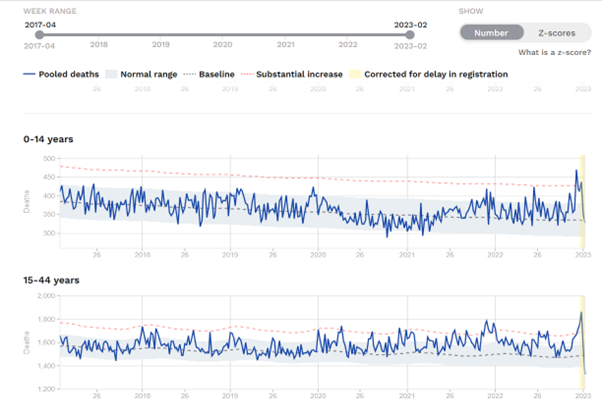
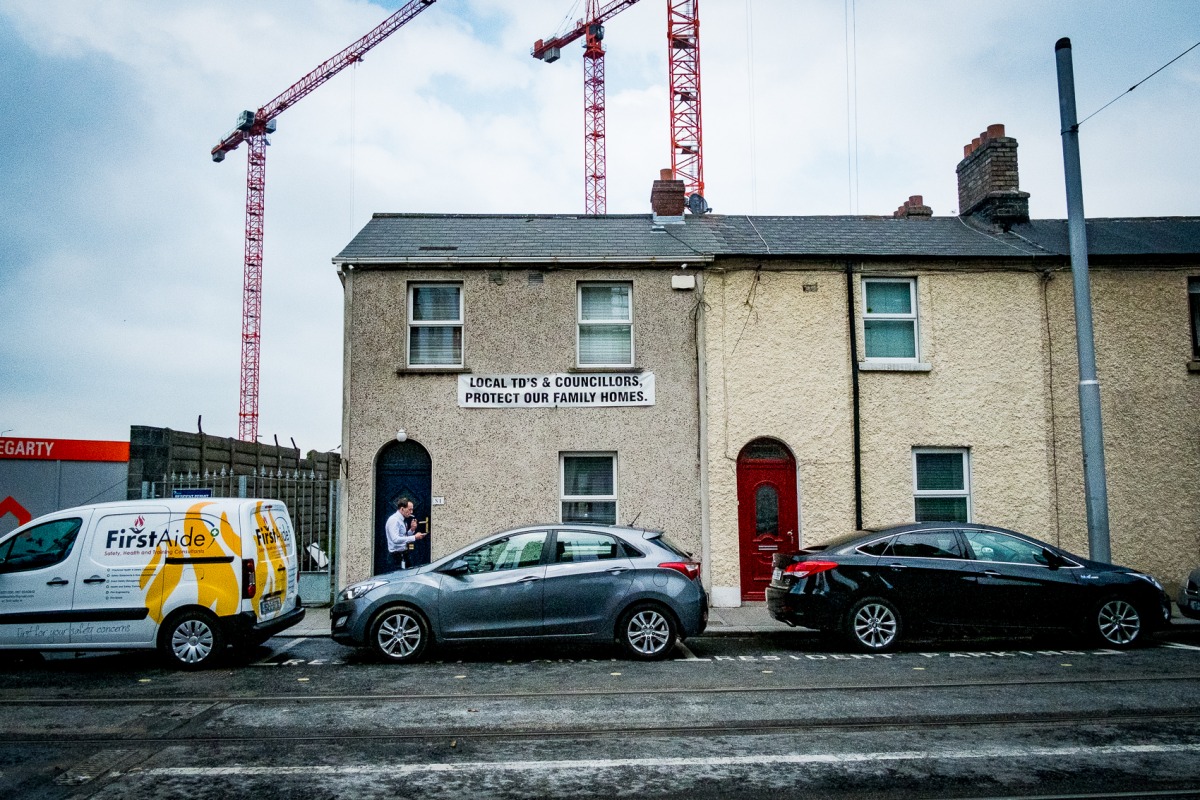
  • Kevin Higgins: 1967-2023

    According to the recently deceased Kevin Higgins: ‘Poets may be divided into three types: those of us who must be and are, or have been, suppressed, at least until after we are dead; those whose subject matter is so commonplace/banal that it doesn’t matter either way; and then those who become pure decorations of the Regime.’

    Responding to his assessment by email (sadly, I never met Kevin in person despite publishing over twenty of his poems) I wondered whether the three archetypes he had identified could be located in the Romantic canon as the suppressed Percy Bysshe Shelley, the rather banal John Keats and the decorative Poet Laureate William Wordsworth.

    He replied from his death bed on Tuesday, January 3rd:

    I wouldn’t count Keats among the banal. I would more be thinking of the older academicised poet of the post WWII world, who is mostly locked into an Irish Times/Guardian/NY Times world view whereby the only permitted historical variables are their own divorces and their parents’ deaths. Keats wasn’t that. Though you have categorised Shelley and Wordsworth right in that regard.

    Note to self: read more of John Keats.

    Paul Muldoon

    Kevin’s final poem for Cassandra Voices ‘Congratulations’ responded to what he regarded as ‘a terrible, long poem taking one side in a war in a most crude and unthinking way’ by Paul Muldoon in the Irish Times. As he saw it, for establishment poets:

    Life will be mostly festivals
    of enforced grinning,
    during which you’ll pass the hours
    counting each others’ teeth.

    If not actively suppressed, Kevin Higgins was certainly blacklisted by the so-called paper of record for having the temerity to question that newspaper’s coverage of the War in Ukraine. He would be amused to find the appreciation he had anticipated, and another from the President himself, Michael D. Higgins, who was also not spared his satire.

    In the poem ‘Presidential’ he chided:

    I had no option but to vote for
    that tax on women’s shoes
    but greatly admired the fight you put up against it;
    have kept all the press cuttings,
    especially those that took care not to mention me.

    Another barbed poem, which he confided was written in the voice of Michael D. Higgins (as he imagined it), ‘having known him for forty years’ was Memorial to Myself:

    I was not bought and sold at the market stall
    where you can get (third hand)
    Fianna Fail senators cheaper
    than Mayo flags two weeks after
    an All Ireland defeat.

    Kevin Higgins was a poet unusually animated by political events. Invariably, he took the side of the oppressed, whether desperate migrants, or Travellers on the fringe of Irish society.

    Advisory Epistle From Literature Quangocrat

    His verse took aim at those poets who engaged with what he considered the commonplace and banal. The first poem he ever published with Cassandra Voices Advisory Epistle From Literature Quangocrat offers a caricature of a contemporary Irish poet:

    I only read novels
    which interrogate the relationship
    between gout and Islamist terrorism,
    translated from the obligatory French;
    and poets whose words make me sink
    more comfortably into
    my brown swivel chair.

    More of this contempt flowed from ‘The Most Risk-Taking Poet In Ireland’:

    Under the influence of Samuel Taylor Coleridge,
    I once took one more Paracetamol
    than I should have.

    Indeed, he recently contemplated starting a new Irish Literary Awards in ‘When I’m Allowed Leave The Cancer Ward’:

    Categories will include: least authentic
    poetry collection, most intellectually empty
    novel, most cowardly book review,
    publisher who made the biggest
    eeijt of themselves this year

    And in ‘Formation of a Young Irish Intellectual’ he expressed deep concern about what he considered a homogeneity of thinking around a damaging consensus reigning ascendant in Irish universities:

    We have a library of pre-existing think pieces
    from which you can choose your opinions,
    which we’d like you to massage
    so they seem different at first
    but end up being exactly the same as the rest of us.

    Unsurprisingly perhaps, he expressed indifference for ‘grunts of approval / from fully clothed minor male poets’ in My Approach to Literary Networking‘.

    The Continuing Story of Óglaigh na hÉireann

    Kevin unmercifully pilloried what he perceived as latent fascistic tendencies in Ireland directed against the forces of radicalism he identified with. As he put it in ‘The Continuing Story of Óglaigh na hÉireann’:

    All around the snot-nosed parishes of Ireland
    small people of both genders, and neither,
    are flapping open
    copies of The Sunday O’Duffy
    getting worried
    about the continued existence
    of the Citizen Army, Fenian Brotherhood,
    Official IRA.

    It’s fair to say Kevin Higgins despised advocates of neoliberal policy in Ireland. In The Ballad of Lucy Kryton’ he described her fiscal policy as  ‘dampness moving / down other people’s walls.’

    ‘Homage to Henry Kissinger

    Further afield, Kevin reserved particular scorn for realpolitik pragmatists such as Henry Kissinger, who as National Security Advisor and Secretary of State presided over a particular brutal phase of US foreign policy under Presidents Nixon and Ford. Kevin seemed to have little faith in karma catching up with Kissinger:

    Someone dies of politically necessary starvation
    but that someone is never Henry Kissinger
    A bomb is dropped on someone whose name you’ll never have to pronounce
    because it’s not Henry Kissinger

    He also railed against ‘the adults in the room’ of this neoliberal era, depicting an anti-democratic slide in ‘After Recent Unfortunate Results’:

    So when all’s said and counted,
    people who shouldn’t matter
    can go back to not mattering.

    The Joke

    Unsurprisingly, the spectacle of Donald Trump offered ample opportunities for his satire:

    A barrel of industrial waste poured into a suit
    donated by a casino owner who knows people
    with a tangerine tea towel tossed strategically on top
    because it was the only available metaphor for hair
    was running for re-election as CEO of South Canadia
    against an old coat with holes in it.

    Nevertheless, he viewed the phenomenon of Trump as symptomatic of a sick American society, rather than the causative agent necessarily – the ‘old coat’ which he saw as embedded in power.

    Such people agreed with each other that the barrel of waste
    made the raging boil on the nation’s privates
    way too obvious, and hoped by throwing
    the old coat over it they could again
    forget it was there.

    Kevin was a supporter of Jeremy Corbyn, and actually expelled from the UK Labour Party following satirical poems about Blair and the Labour right. In ‘Tribute Acts’ he wrote

    Each witch hunt is a tribute act to the last.
    There is always a committee of three.
    The gravity in the room is such
    they struggle to manoeuvre
    the enormity of their serious
    faces in the door.

    He also expressed contempt for polite, ineffectual demonstrations in ‘Note From The Organisers’:

    our gathering will resemble
    less a revolution
    than a church group
    on its way somewhere
    to pray for a cure
    for rheumatism,
    or even better,
    no cure;

    Time and again he expressed a serious worry about the neoliberal hegemony in comedic terms. Thus in ‘Our Posh Liberal Friends‘ he wrote:

    This Future has a face that one day
    might raise the corporate tax rate
    by zero point five percent,
    and is a little too insistent
    that poor people be allowed live,
    give or take, as long as the rest of us.

    And mocked a neoliberal tolerance of diversity that provided cover for any manner of outrage, as in ‘Liberals and Death’:

    you’re the first village
    no-one’s ever heard of
    successfully abolished
    from thirty thousand feet
    by a transgender person
    pressing a button;

    ‘The Happy Song of Us’

    No doubt the period of the lockdowns was tough for someone in ill-health who had previously attempted to bring poetry to the people with live events and workshops. While he appears to have been generally supportive of lockdown measures, we do find worries expressed around the arrival of a techno-dystopia in The Happy Song of Us.

    Okay to buy your grandchild an ice-cream.
    Illegal for them to lick it.
    Fine to bake granny
    a gleaming fruit cake,
    as long as you only email her
    a high resolution photo of it.

    Kevin Higgins was an uncompromising poet. His verse vented a deep disenchantment with the economic structures of our time. He fought against the spiraling inequality and outright cruelty he saw in the contemporary world, sparing no one he believed was collaborating with this system. Not even Michael D..

    He inveighed against the well made poem that puts on a dicky bow, and ‘which walks to the top of the hill, / and has what it calls an epiphany.’

    The well made poem believes
    nuclear weapons are necessary
    to keep poems like it safe
    from all the rough language
    gathered ungovernable at the border
    forever threatening to invade it.

    Above all perhaps, he scorned the hypocrisy of people who only speak out only when it is safe to do so, as in ‘Safe To Say’:

    Sometime the century after next.
    I’ll be against giving the children of Bethlehem
    something from Lockheed Martin
    to occupy themselves with for Christmas.
    Like I was against rhino-whipping the blacks
    into line in Port Elizabeth, Ladysmith, Pietermaritzburg
    after it stopped happening.
    But, for now, see no alternative.

    Thanks for your support Kevin! We’ll do our best to keep going.